Lost Creek, Austin

New Garage Door Installation for Lost Creek Homes

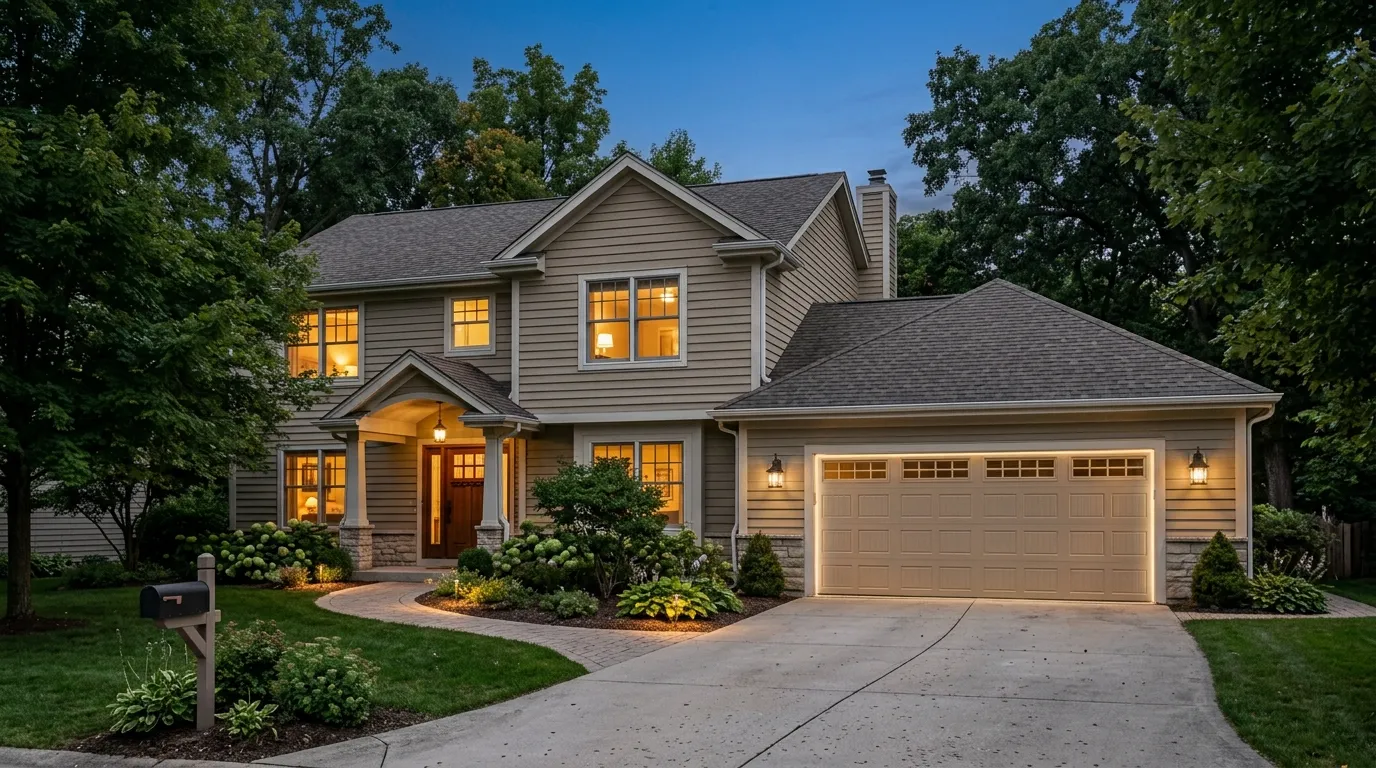
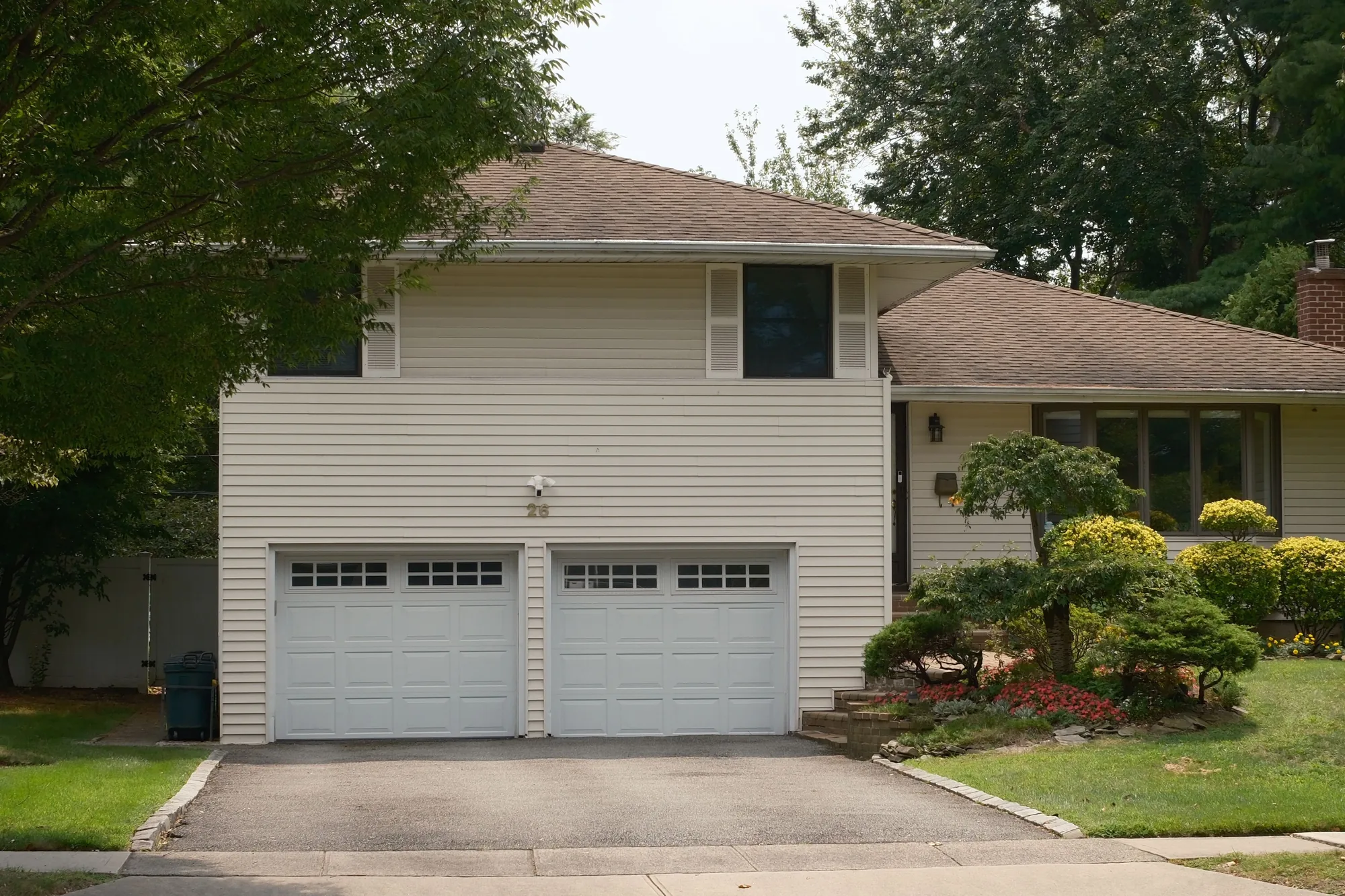
Lost Creek homes date to 1980, right at the start of the build wave that shaped this part of the Austin area. We install doors sized for that era's openings.

New Garage Door Installation for Lost Creek Homes in Austin
Same-day service in most cases
Serving Austin, TXBackground-checked techsHonest, upfront pricingFast local response

Watch-outs

What Can Go Wrong

Lost Creek's median year built is 1980, which puts it at the leading edge of the 1980-2014 build wave that covers most of this side of the Austin area. Doors from that first wave were sized to openers and track hardware that manufacturers stopped supporting years ago.

Obsolete track and bracket sizing

When a homeowner here calls about a door that won't budge, it's often not the opener at all - it's a track width or a rail bracket pattern that no longer matches anything on the shelf at a supply house. That mismatch is a bigger reason for replacement than most people expect.

Fatigued springs, oval rollers

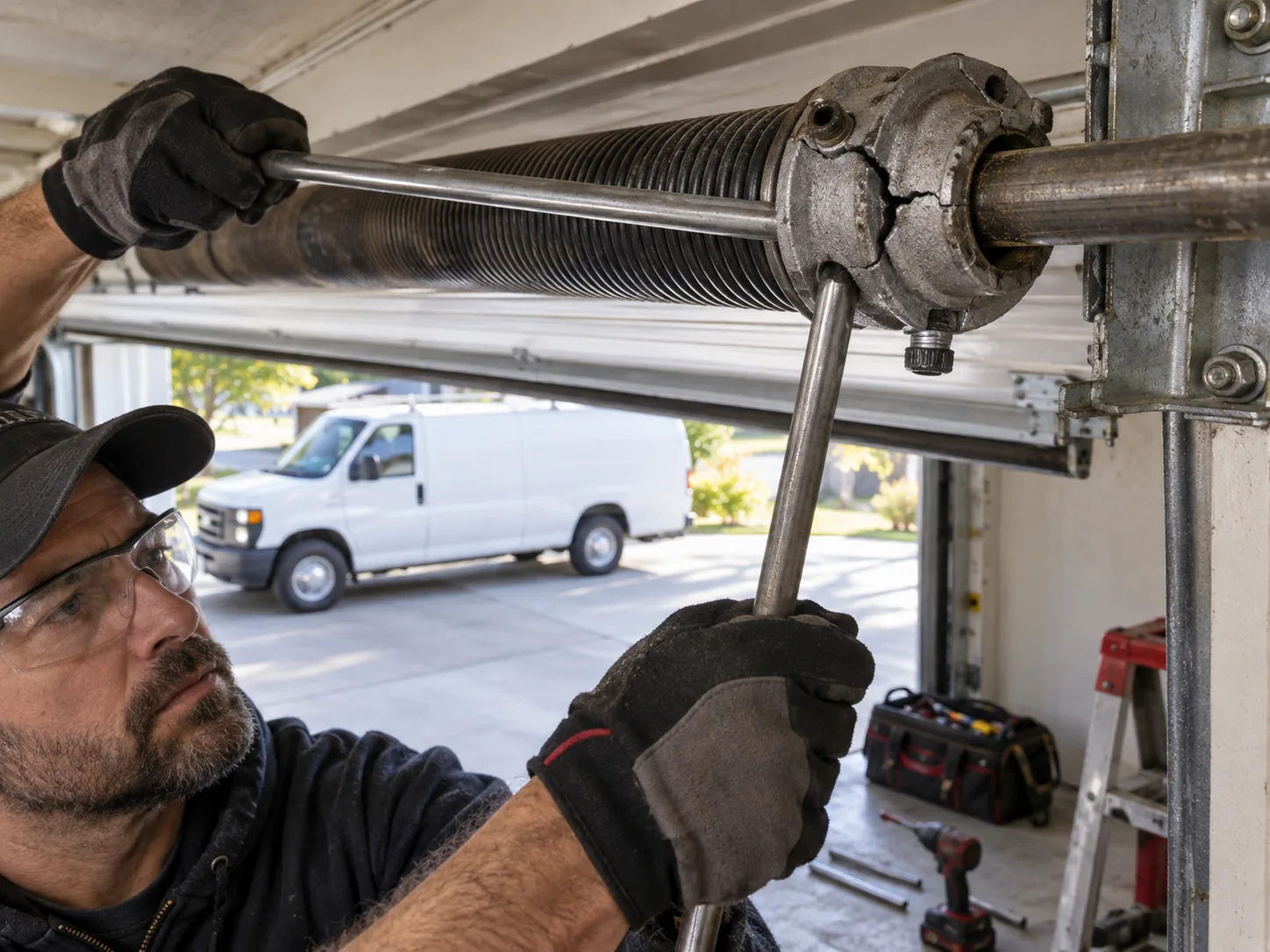
Twenty-plus years is a long run for a garage door. Springs fatigue, rollers wear oval, and the steel skin on an early-80s single-layer door starts to oxidize from the inside out where the insulation, if there is any, has trapped moisture.

Replacement over repeated patching

On a house this age, a full replacement usually beats another round of patch repairs, because the parts you'd need to keep patching it are the same parts that are hard to find. We're honest about that trade-off before we quote anything - sometimes a repair is the right call, and we'll say so, but on a door this old it rarely is.

Pricing

What You Pay

Lost Creek's median household income is $160,609, well above the wider service area's $121,750, and that shows up in what people ask for here: insulated steel doors, quieter openers, and finish options rather than the bare minimum builder-grade unit. We don't have a fixed price list for this page - what a job costs depends on the door size, the insulation level, and the opener you pick - but we price the same way for every house in the service area, whether it's a small 437-household pocket like Lost Creek or a much larger one. We don't add a travel charge for the six miles out from Austin, and we won't quote a price we can't back up when we're standing in the driveway looking at the actual opening.

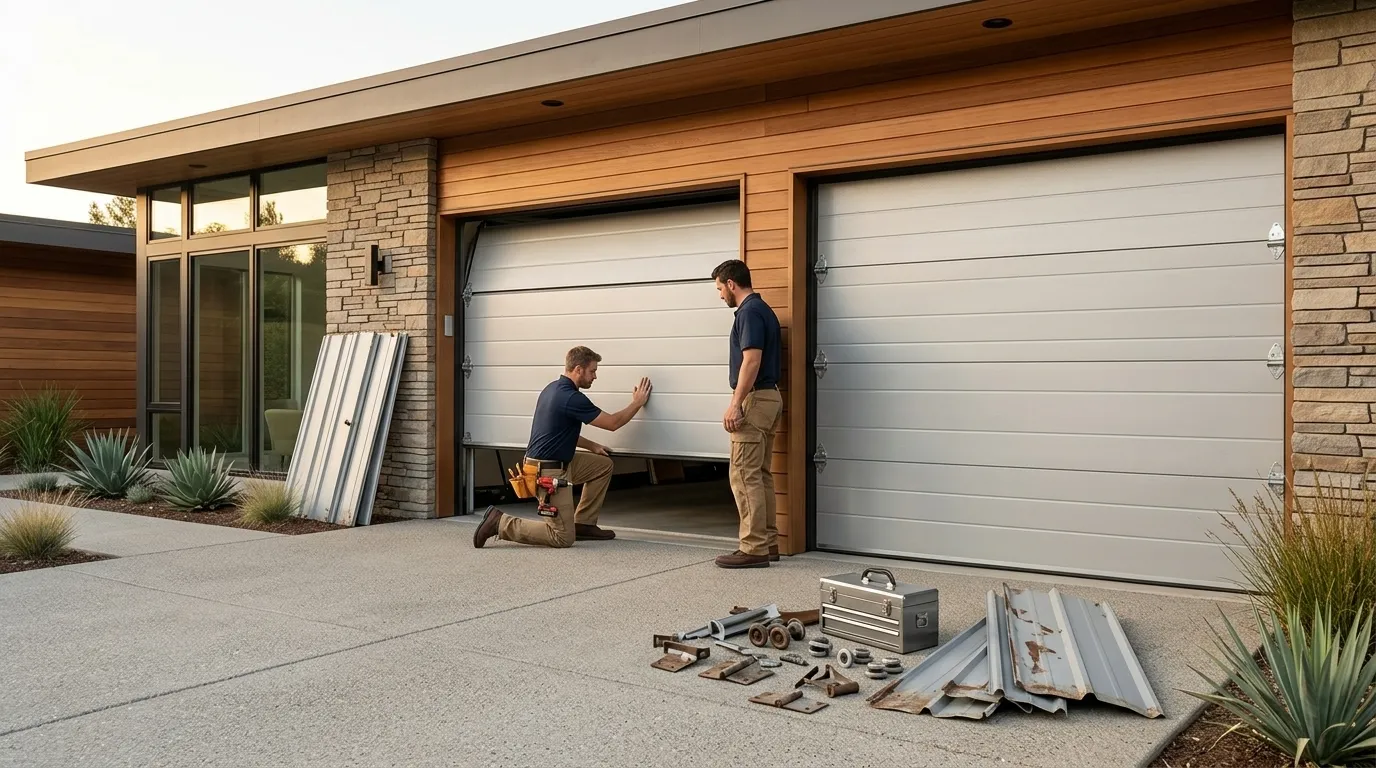
What You Pay

Our process

How We Fix It

On a house built in 1980, replacing a door is rarely a straight swap, so we work through the same sequence every time to make sure the new hardware actually fits the old opening rather than fighting it for years afterward.

  1. Measure the opening and old hardware

    We start by measuring the existing opening and checking what's really holding the old door up - track type, spring configuration, header clearance - because on a house built in 1980 those specs often don't always match what's printed on the box of a new door.

  2. Pull door, spring, and track together

    Then we pull the old door, spring assembly, and track as a set rather than trying to reuse pieces that were never designed to pair with new hardware. Mixing old and new parts is a common source of comeback calls.

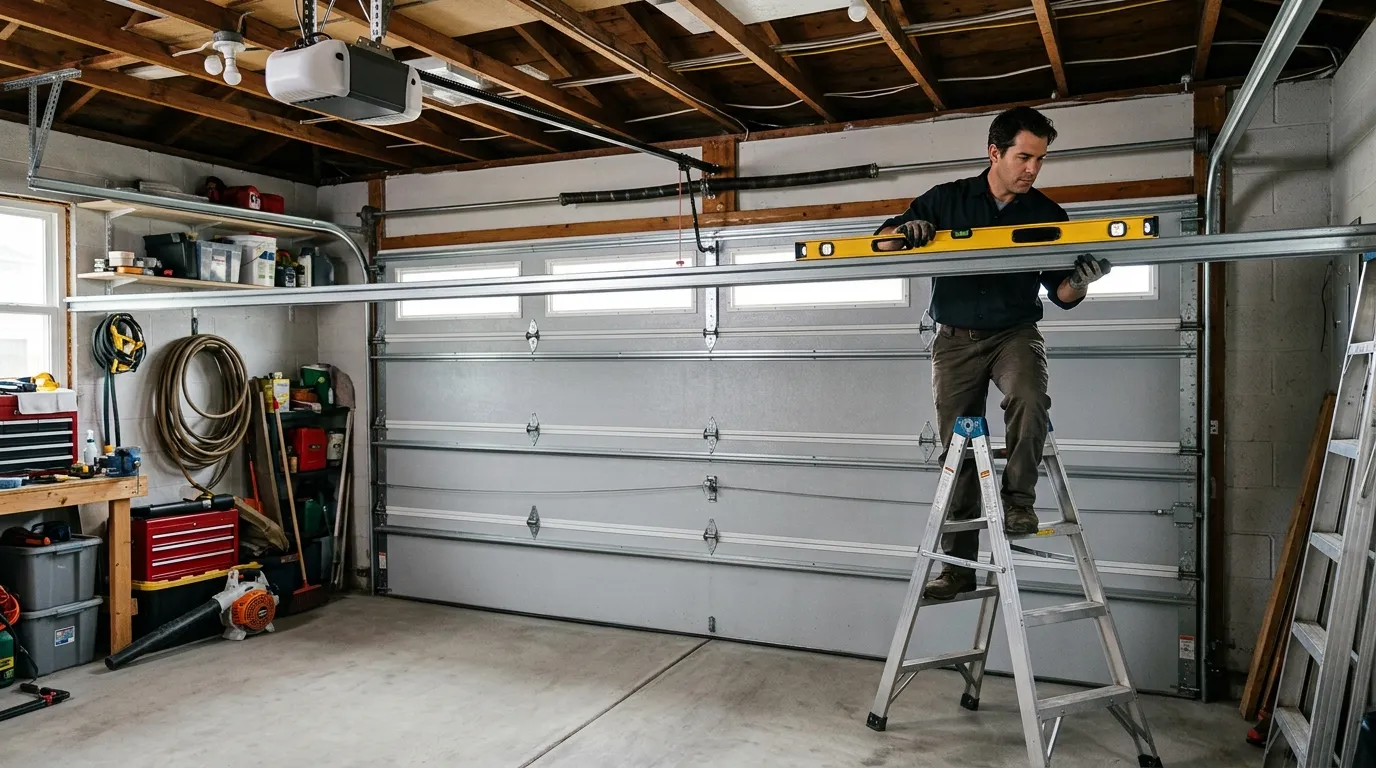
  3. Set new track plumb and shimmed

    New track gets set plumb and shimmed to the actual frame, which on a 40-plus-year-old house is rarely perfectly square anymore. Getting this right the first time is what keeps the new door running smoothly for years.

  4. Size springs to the new door

    We size the new springs to the door weight we're installing, not the weight of what came out, and we balance the door by hand before the opener ever gets connected, since a door balanced by hand is one the opener never has to fight.

  5. Test auto-reverse under load

    Last step is testing the auto-reverse and force settings under load, not just on an empty swing, since that's the part that actually keeps someone's hand or car safe, and it's the check we won't skip regardless of how the rest of the install went.

Warning signs

What You Are Seeing

Moderate summer heat is part of the climate picture across this service area, and it matters more for a garage door than most people expect - it's not about the door warping, it's about what heat does to the air trapped in the garage bay.

Heat load on the garage bay

An insulated door with a tight seal keeps the garage bay from turning into a second heat source against the house wall, which matters for the attached-house cooling load in Central Texas summers. A door without that seal is working against the air conditioning, not just against the weather.

Daylight around the door edges

If you're noticing daylight around the edges of the current door, that's a sign the seal has failed and outside heat and dust are getting a direct path into the garage. It's a small gap that adds up over a full summer.

Cracked bottom seal and dust

A bottom seal that's cracked and letting in dust is a separate problem from the edge seal, but on a door installed when the house was built, they often show up together because the whole assembly is at the end of its service life at once.

Opener straining before it closes

An opener that strains and clicks off before the door fully closes is often fighting worn hardware rather than a fault in the motor itself. On a door this age, that strain and the seal failures tend to arrive in the same visit.

What Is on the Truck

On the truck

What Is on the Truck

We carry standard door sizes, common torsion spring weights, and the openers we install most - but we don't stock every non-standard track width or bracket pattern that shows up on an early-1980s house, and if your opening needs one, we'll say so rather than force a fit. Six miles from Austin isn't far, so a return trip for a part we didn't have on hand doesn't turn into a lost week, but it can mean a second visit instead of a same-day finish. We'd rather tell you that up front than promise a one-trip job and miss it.

Questions

Common questions

Are the garage doors in Lost Creek different from newer parts of the Austin area?

Often, yes. Lost Creek's median year built is 1980, right at the start of the broader 1980-2014 build wave across the service area. Doors and track hardware from that early end of the wave were built to different specs than what's sold today, so a straight swap of a new door onto old track doesn't always work cleanly.

Do you charge extra to come out to Lost Creek?

No. Lost Creek sits about six miles from Austin, and we price installation jobs the same way across the service area regardless of the distance from Austin. The quote is based on the door and opener you choose, not on where in the area you live.

Is it worth replacing an original 1980s door instead of repairing it?

Usually. Parts for original hardware from that era are hard to source, and a door pushing 40-plus years old is at the end of its practical life anyway. We'll look at the specific door before recommending replacement, but on houses this age it's rarely the cheaper long-term choice to keep patching.

Do you stock every track size for older Lost Creek homes?

Not every one. We carry standard sizes and common spring weights, but some early-1980s openings use bracket patterns we don't keep on the truck. If that's the case for your door, we'll tell you and may need a short second visit to finish the job.

Ready when you are

Need a garage door sorted in Austin?

Austin Garage Door Guys repairs and installs garage doors, springs and openers in Austin, TX and the surrounding area.

CallGet a quote