
1980s–90s Torsion Systems
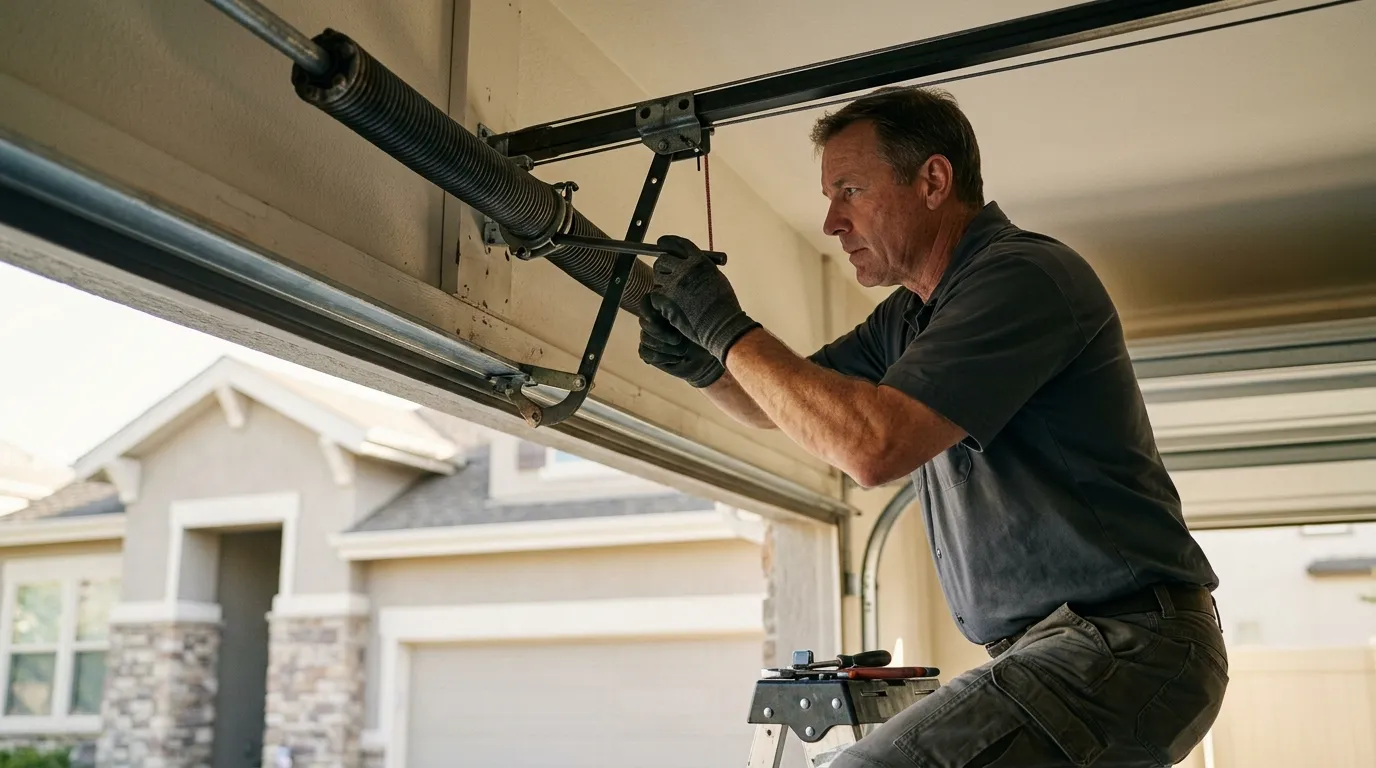
Older portions of the local housing stock can still use torsion setups that have already accumulated decades of daily cycling, which puts them near the end of their rated life.
Local garage door service · Austin, TX
Garage door repair and installation for Austin homes built mostly between 1980 and 2014, covering emergency service, commercial garage doors, maintenance, off-track repair, opener installation, and the residential garage door systems common across Austin's 1990s- and 2000s-heavy housing stock.
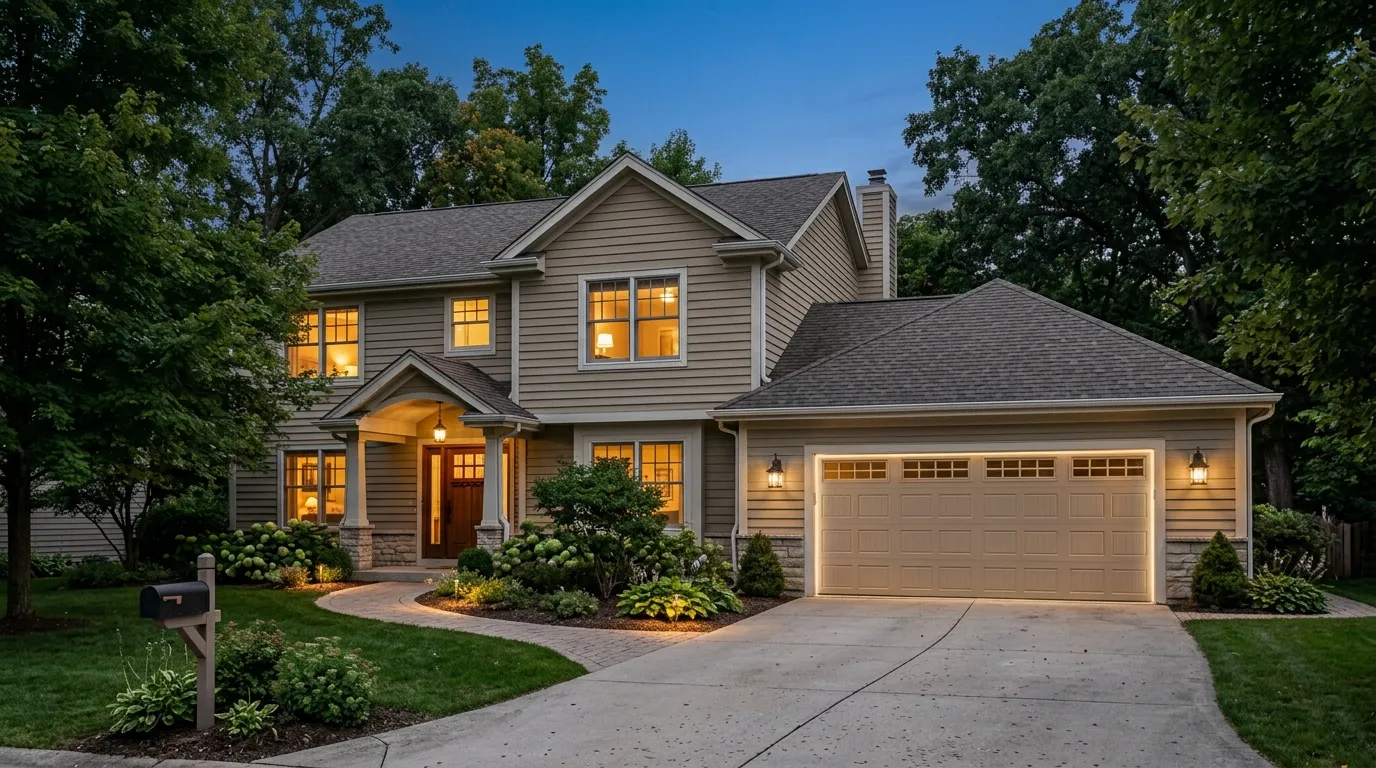
Garage door services
From emergency repair and general garage door service to installation, maintenance, off-track repair, opener installation, and commercial garage door work, the service lineup is built around the systems common across Austin's 1980s-through-2010s housing stock.
Local housing matters
Most of the housing here was built between 1980 and 2014, with a typical build year around 1998.
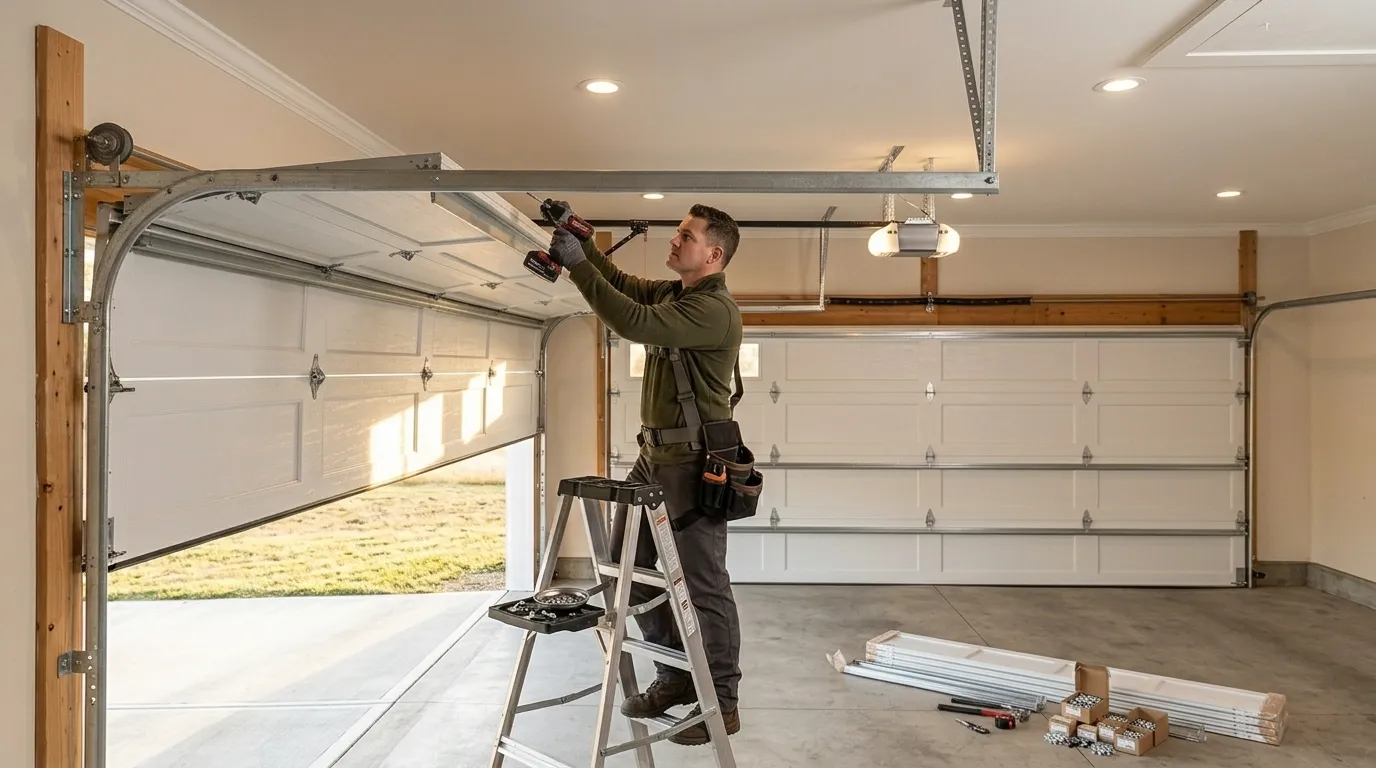
That creates several generations of residential garage door systems, from late-1980s and 90s torsion setups to early-2000s openers and newer doors installed toward the end of the build range.
The broader Austin service area includes roughly two dozen named pockets, from Tarrytown, Rosedale, and Zilker to Davenport Ranch, Steiner Ranch, Wells Branch, Bouldin Creek, and Brushy Creek.
Approximately 41,792 owner-occupied houses are referenced across the broader source service area.
The neighborhood and build era provide useful context, but the correct repair still depends on the springs, cables, rollers, tracks, opener, panels, and previous work actually installed on the door.
Multiple generations of garage doors
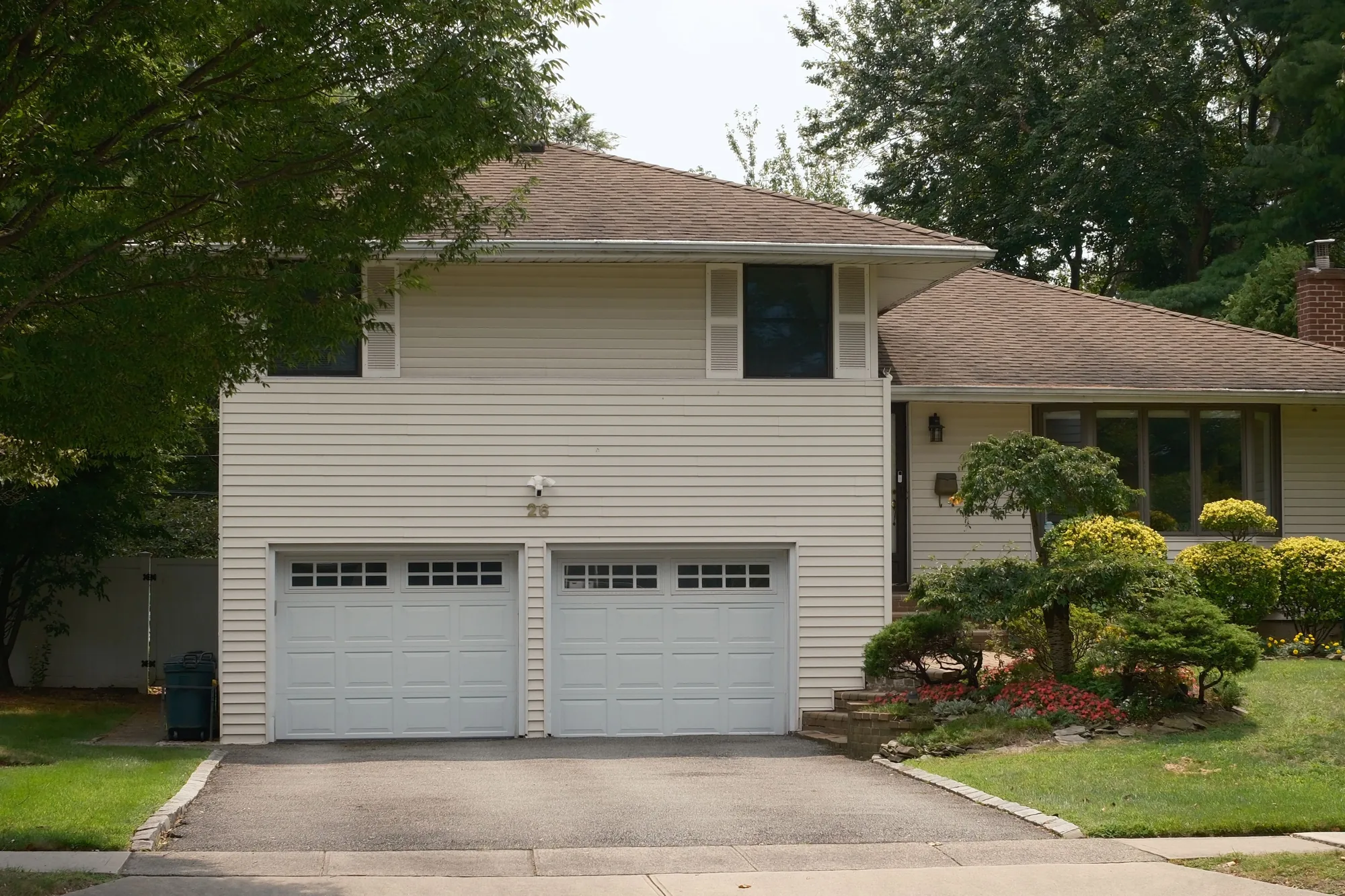
Homes spanning 1980 through 2014 create a mix of torsion systems, builder-grade openers, steel sectional doors, electronic controls, and several generations of replacement hardware.
Older portions of the local housing stock can still use torsion setups that have already accumulated decades of daily cycling, which puts them near the end of their rated life.
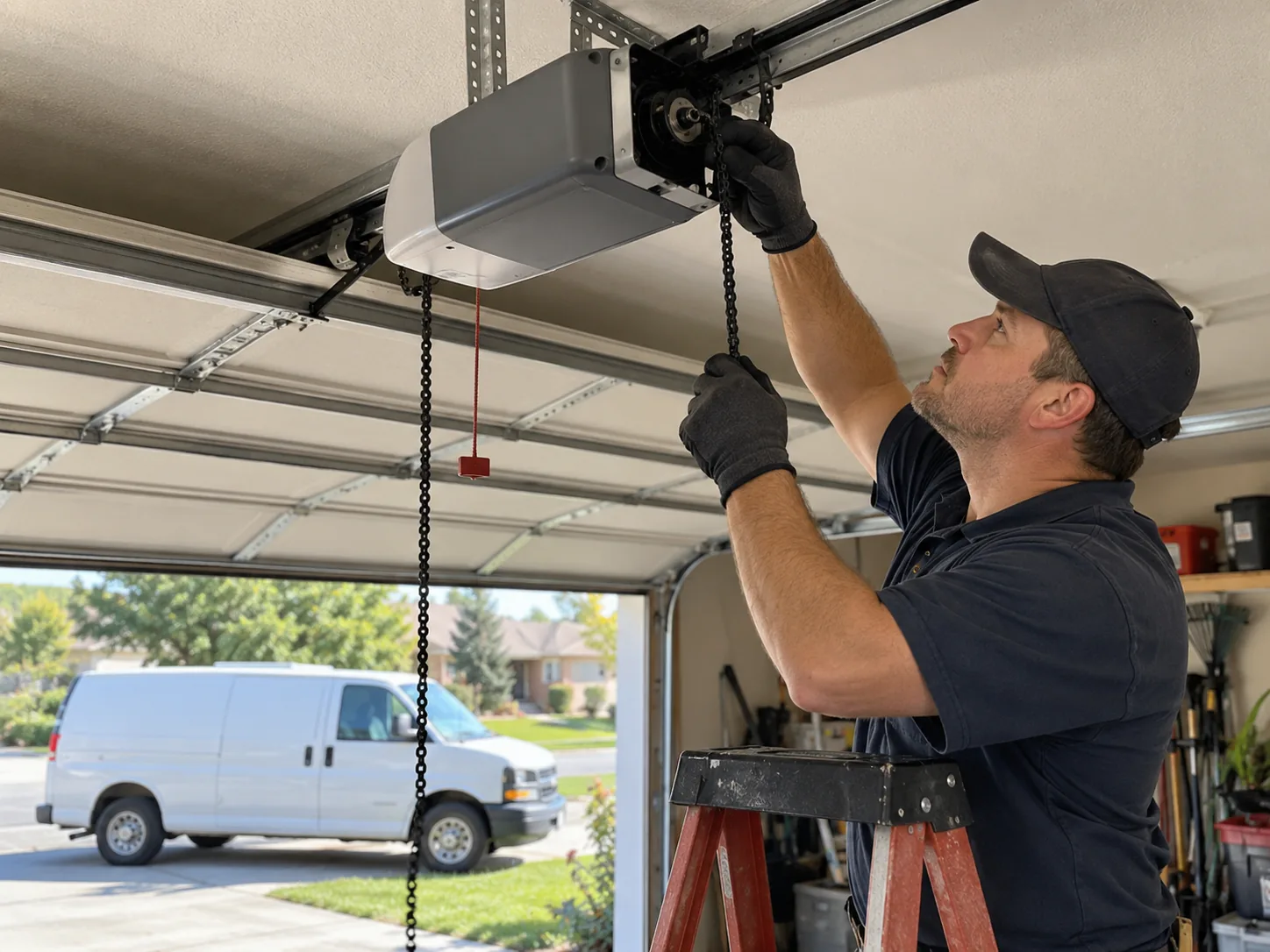
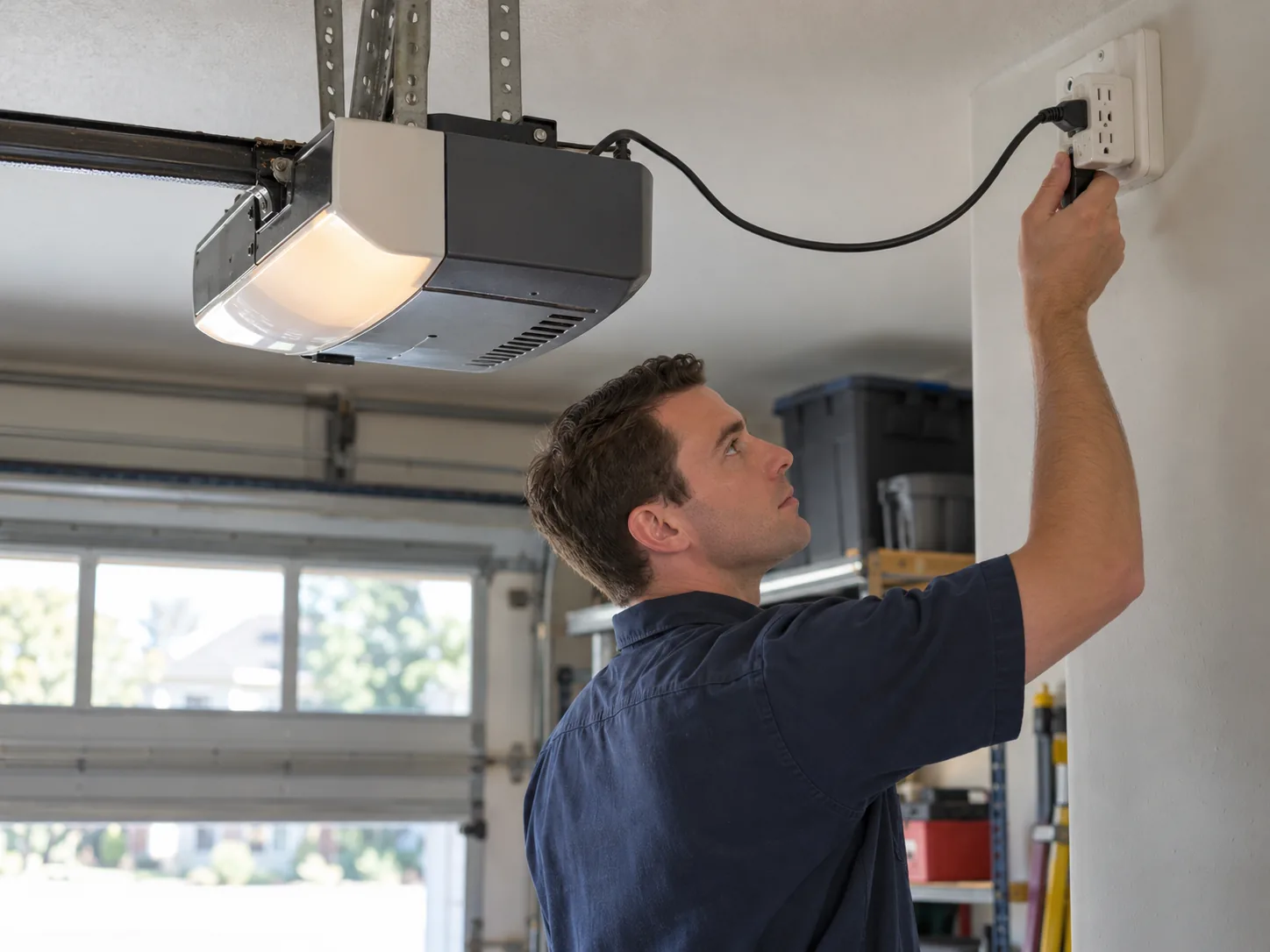
Homes from the 1990s and early 2000s can still have original or first-replacement opener motors, gears, boards, and controls that are now reaching repair age.
Much of the housing stock uses sectional garage doors with replaceable panels, rollers, cables, and spring systems, which shapes how most repairs are approached.
Later homes can include more electronic opener components, remotes, logic boards, sensors, and newer drive systems that fail as electronics rather than worn mechanical parts.
What to expect
We start with what the door is actually doing, use the symptoms to point toward the likely cause, then inspect the installed system before explaining the realistic repair or replacement options.
Tell us whether the door won't open, moves crooked, made a loud bang, or the opener runs without moving the door. That symptom is the starting point for the diagnosis.
The symptoms can help point toward a spring, cable, roller, track, opener, or panel problem before the on-site inspection, so we arrive with the right parts.
The installed system is checked before work begins, rather than assuming the first symptom tells the complete story, so the real failure is found before pricing.
We explain what is wrong and what the realistic repair or replacement options are before proceeding, so you can decide with the full picture in front of you.
Some Older Parts Can Take Longer
Discontinued opener circuit boards or panels from older door models can require additional sourcing rather than an immediate same-visit replacement, and we'll say so up front.
Built around Austin garage doors
Austin Garage Door Guys is a local garage door repair and installation operation rather than a national call-center model.
The service approach is built around familiarity with the area's 1980–2014 housing stock and the garage door systems commonly installed during those building waves.
There's also a clear limitation worth stating: this is a repair and installation operation rather than a dedicated parts warehouse.
If an opener needs a discontinued circuit board, or a damaged door needs a panel that hasn't been manufactured for years, parts availability can affect the repair timeline.
Common Austin garage door problems
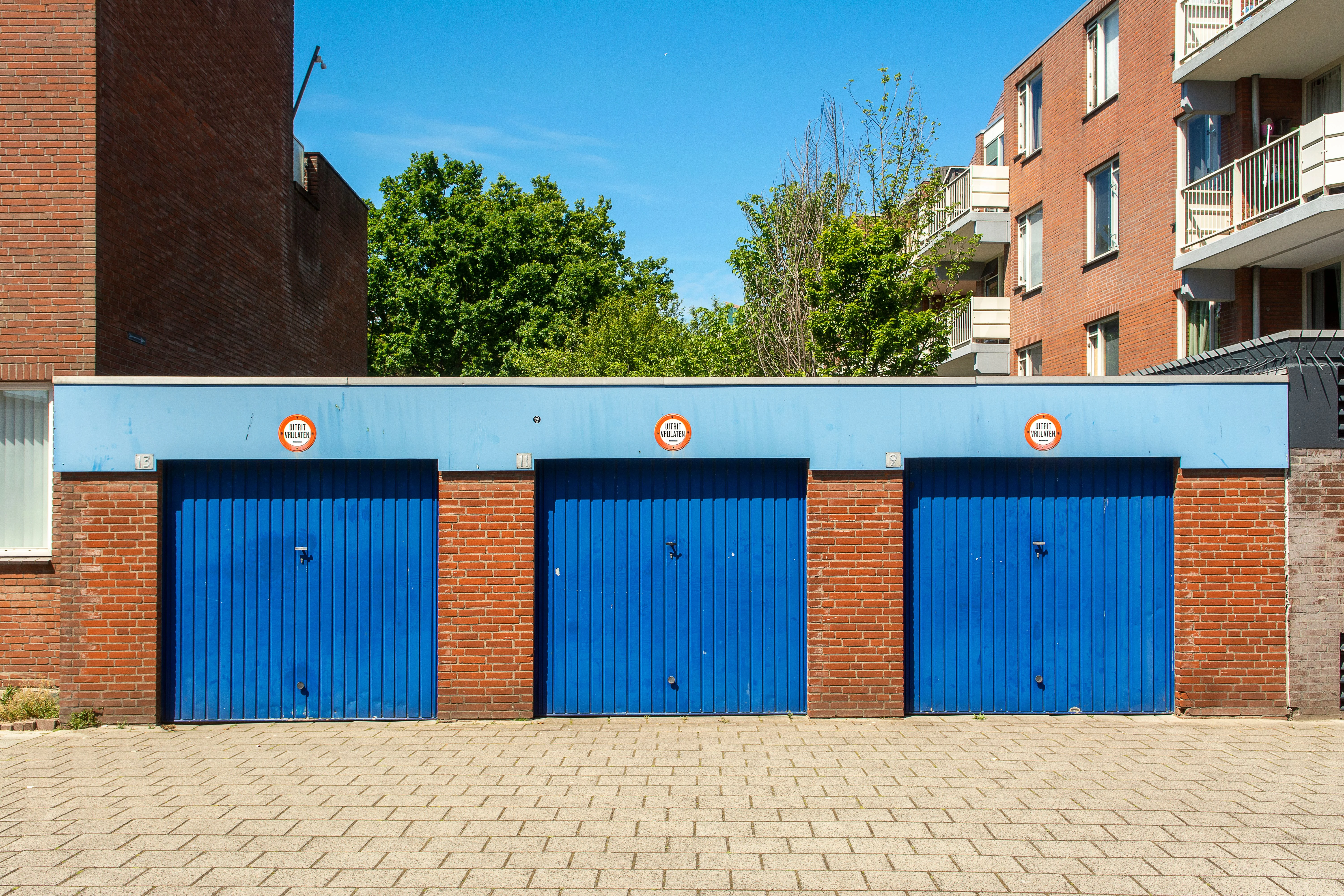
Broken torsion springs, snapped cables, off-track doors, aging opener components, worn rollers, and panel damage make up much of the work across Austin's 1980s-through-2010s housing stock. Broken torsion springs are one of the most common calls, especially on 1980s–90s homes; cable failures and off-track doors recur as systems age; and while a damaged panel can sometimes be replaced section by section, discontinued older panel designs can make full door replacement the more practical option.
Torsion springs eventually reach the end of their useful cycle life after years of regular opening and closing, and they're one of the most common calls on doors from the 1980s and 90s.
Cables can fray, loosen, or fail after years of carrying repeated loads alongside the spring system, often showing up as an uneven or crooked door.
Cable problems, roller wear, impact, or gradual track movement can leave a garage door crooked or off track, so the fix usually addresses the underlying cause.
Older motors, logic boards, gears, and controls can reach the point where repair or replacement becomes necessary, particularly on original builder-grade units.
A damaged garage door section can sometimes be replaced individually, while discontinued panels may change the replacement decision toward a full door.
Keep the system moving
Roller wear is one of the problems homeowners can often catch before it becomes a full failure, which makes routine inspection useful on doors now entering their second or third decade of service.
Noise, vibration, rough travel, or visible wear can indicate rollers are approaching replacement before they seize and drag the door out of true.
Track alignment and mounting can be checked before a developing problem leaves the door moving unevenly or pulling toward one side.
Visible wear, uneven movement, or changes in balance can indicate the lifting system needs professional attention before a spring or cable lets go.
Changes in opener sound, movement, or response can provide early signs of drive or electronic component wear while there's still time to plan the fix.
Repair or replace?
A broken spring, cable, roller, track, or opener component does not automatically mean the entire garage door needs replacement. The decision changes when several components are failing or compatible parts are no longer practical to source.
A targeted repair can make sense when the door, tracks, panels, rollers, and opener remain serviceable. One failed part is no reason to replace a sound door.
Worn rollers and manageable alignment issues are often repairable without replacing the complete door, restoring smooth, quiet travel.
An opener may become a replacement candidate when the required board or internal component is discontinued or difficult to source.
When a damaged section can't be matched to an older door model, broader replacement may be more practical than chasing an unavailable panel.
Clear repair guidance
There isn't a flat repair price, because different failures require different parts and labor.
A snapped cable on a single door is not the same job as replacing a torsion spring system on a heavier double door.
Door size and weight, one-spring versus two-spring configurations, opener condition, and discontinued panel or electronic parts can all change the final scope.
Median household income across the broader source service area is around $121,750, and roughly 41,792 owner-occupied houses are referenced across the area.
We give the repair number before work starts rather than after the job is already underway.

Service areas
Questions
Given that most housing here was built between 1980 and 2014 with a median around 1998, a lot of original openers are pushing twenty to thirty-plus years old. If yours has never been replaced, it's a reasonable age to expect a failure, and we'll tell you honestly whether a repair or full swap makes more sense.
Yes. For this site, the configured surrounding service areas are Barton Creek, Lost Creek, Manor, and West Lake Hills.
Because a snapped cable and a full spring and opener replacement cost very different amounts, and a single flat number would either overcharge simple jobs or undercharge big ones. We diagnose first, then quote the actual job, before any work starts.
Not always. On doors from the earlier end of the 1980-2014 building window, some panels and hardware are no longer made, and once a discontinued part is involved, replacing the whole door can end up cheaper and faster than chasing a match. We'll lay out both options honestly.
Ready when you are
Tell us what the door is doing and we'll help you figure out whether you're dealing with a spring, cable, roller, track, opener, off-track door, maintenance issue, damaged panel, or a system that's reached the point where replacement makes more sense.