Austin, TX

Garage Door Maintenance for Austin Homes

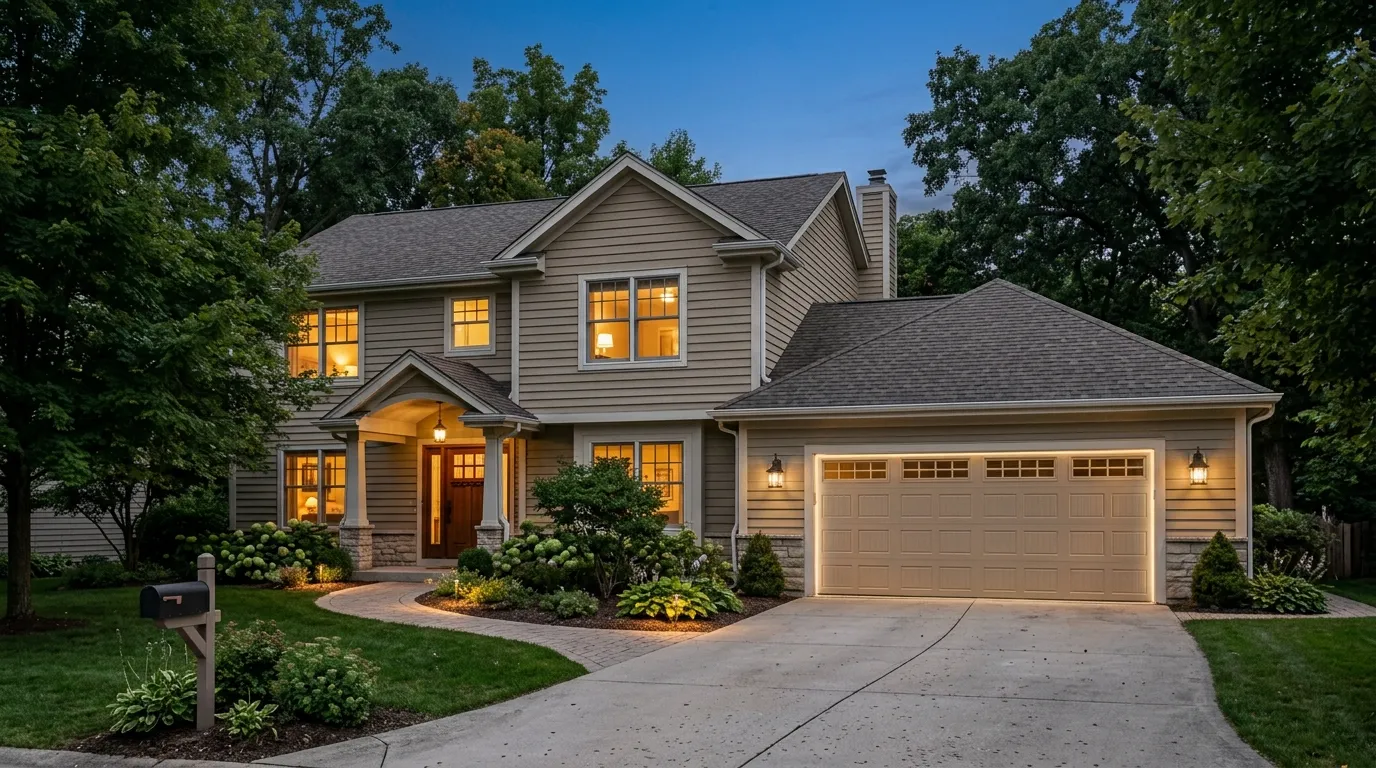
Garage door maintenance for Austin homes built mostly between 1980 and 2014. We service springs, tracks, and openers across Tarrytown, Zilker, Mueller, and the wider Austin area.

Garage Door Maintenance for Austin Homes in Austin
Same-day service in most cases
Serving Austin, TXBackground-checked techsHonest, upfront pricingFast local response
1980–2014
Typical build years of local homes
1998
Median year homes were built
23
Named areas in our coverage

Booking

Booking a Visit

A maintenance visit isn't a repair call - it's the inspection that catches a spring about to go or a track pulling loose before it turns into a door stuck shut on a Tuesday morning. Here's what happens from the call to the write-up.

  1. Tell us the door's age and history

    We run maintenance visits across the Austin service area, which covers close-in neighborhoods like Tarrytown, Zilker, Bouldin Creek, and Mueller as well as farther-out spots like Steiner Ranch and Lago Vista. When you call, tell us the age of the door if you know it and whether it's still original - that alone tells us most of what we need before we show up.

  2. We inspect before anything fails

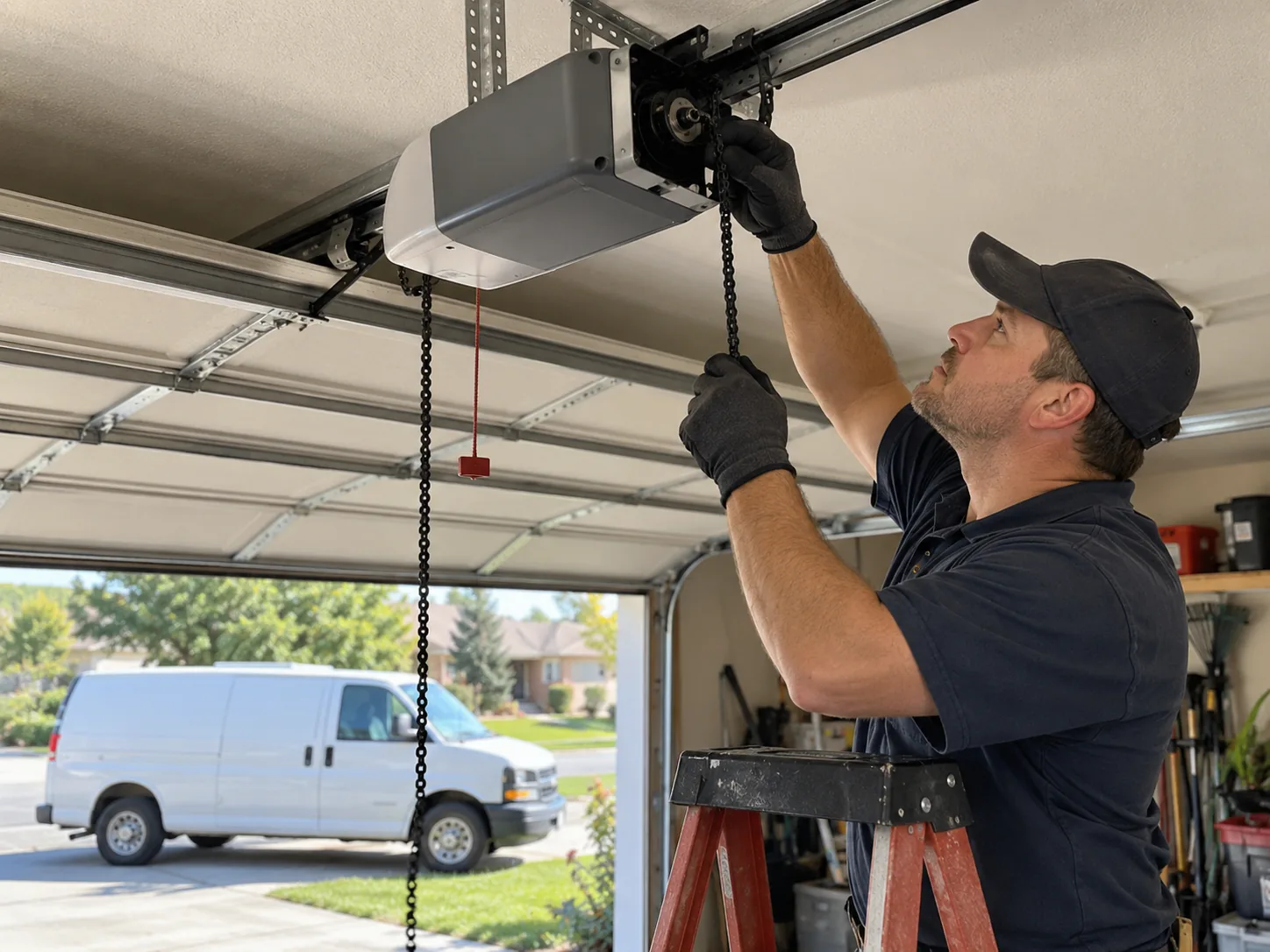
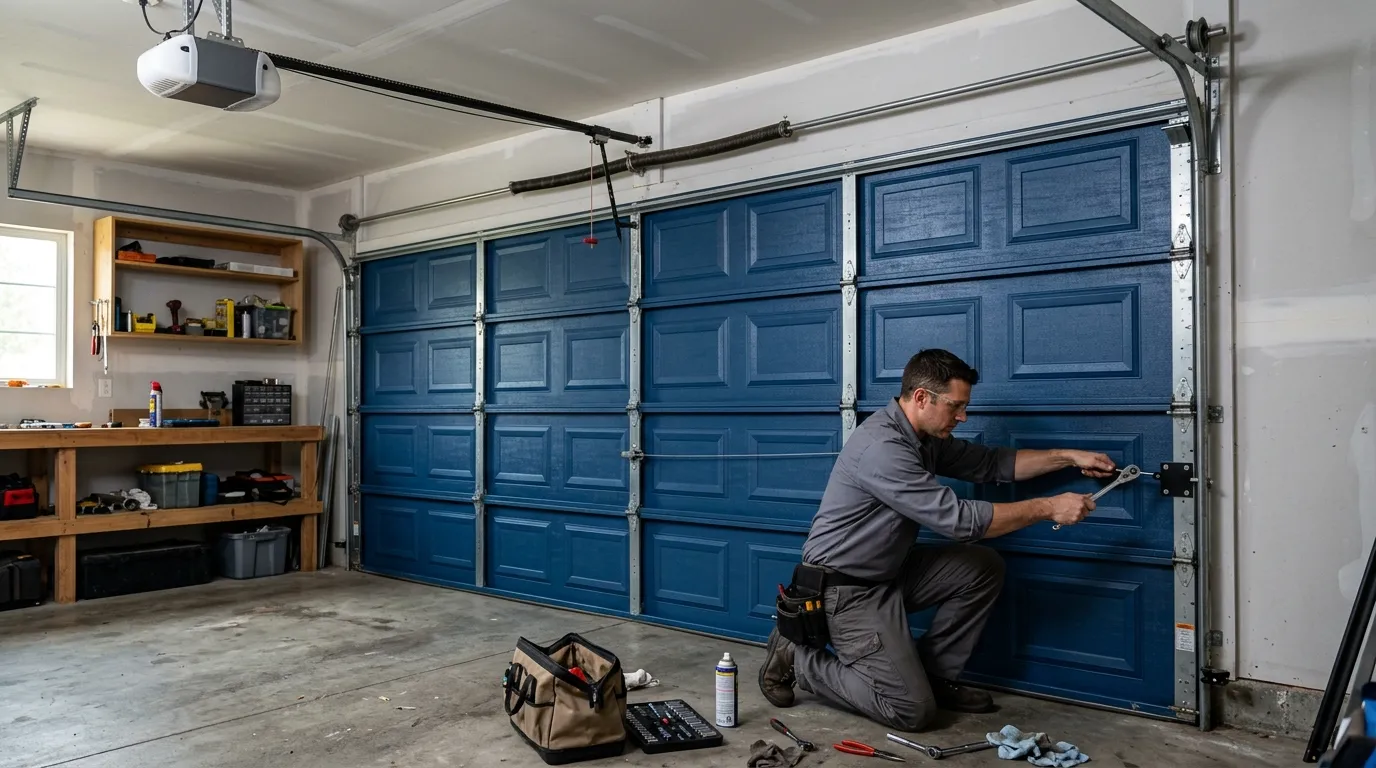
    A maintenance visit is not a repair call. It's the inspection and adjustment that catches the spring about to go, the opener gear stripping down, or the track pulling loose from the wall before any of that turns into a door stuck shut on a Tuesday morning.

  3. We check balance, cables, rollers, and bolts

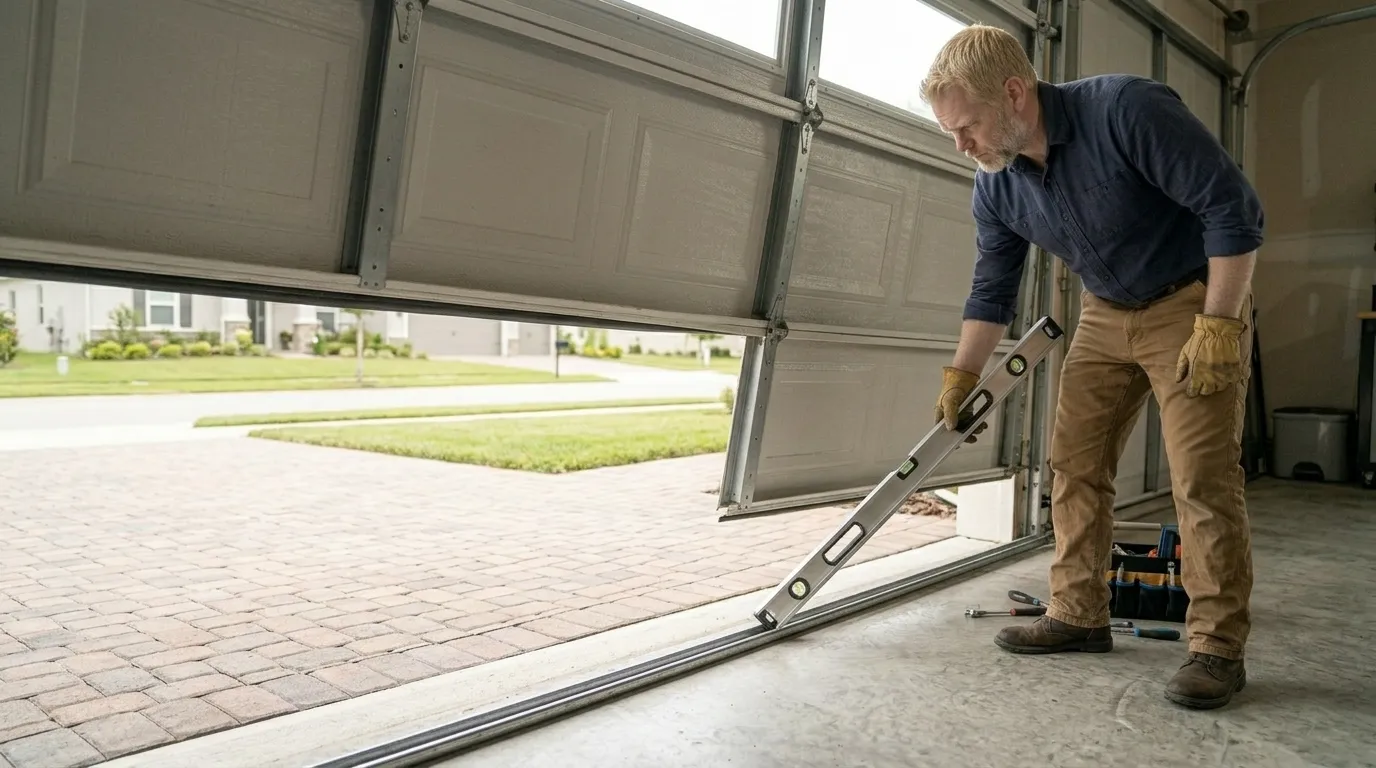
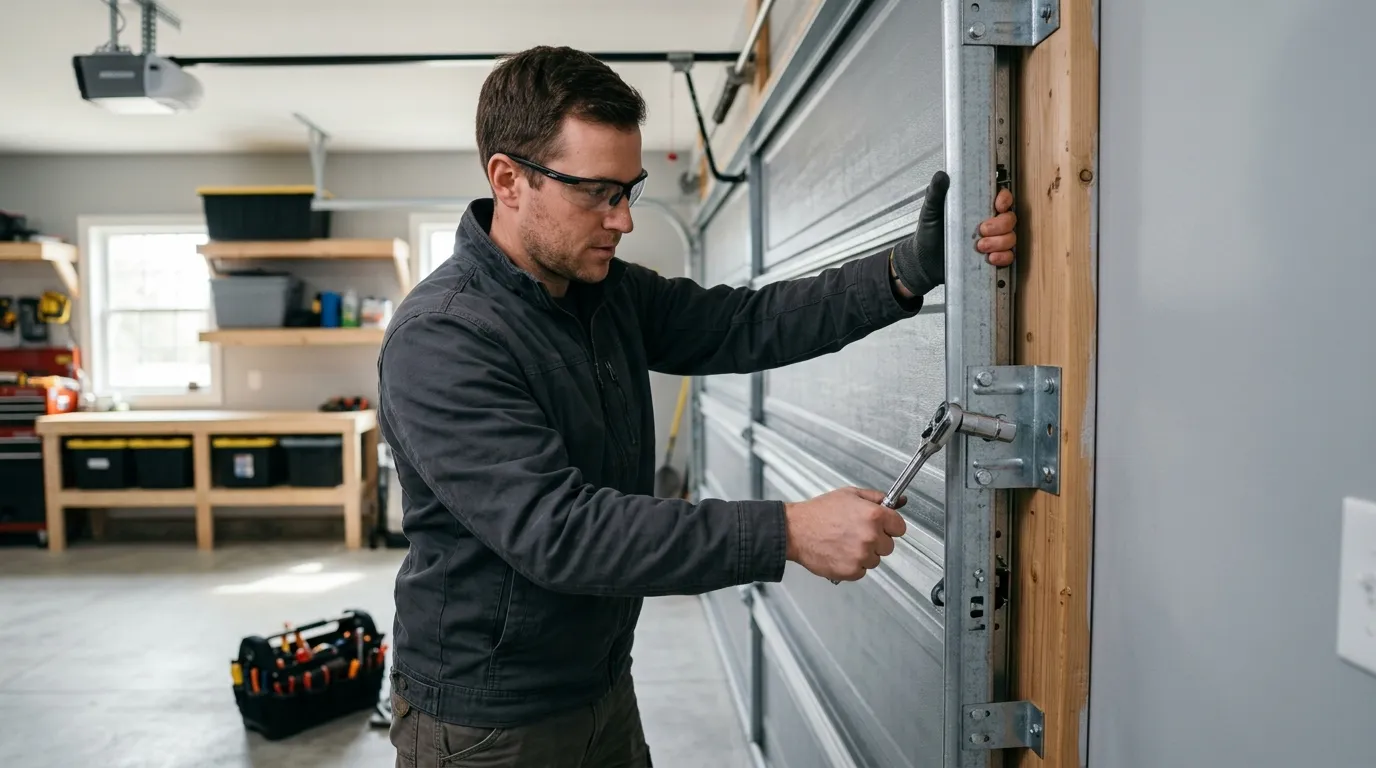
    We check the balance, the cables, the rollers, the opener's force settings, and the hardware bolts, and we tell you flat out what's fine, what's close, and what needs doing now. Nothing gets hidden in vague language - you get a plain read on the actual condition of every part we look at.

  4. We won't sell a plan you don't need

    We don't push a maintenance plan on a door that's five years old and moves fine. If there's nothing to adjust, we'll say so and charge you for the visit, not for work that isn't needed - booking is straightforward, one visit, one truck, one write-up of what we found.

Local causes

Why This Fails Locally

Housing across the Austin service area was mostly built between 1980 and 2014, with the median build year landing around 1998. That's a specific problem for garage doors: torsion springs are rated by cycle count, not by calendar years, and a spring installed in the 1990s on a door that's opened twice a day has usually burned through its rated life by now, whether or not it's ever failed yet.

Across the 23 named areas we work in, the stock leans hard toward that same 1980s-90s window, which means a lot of houses are carrying the same original torsion hardware and the same first-generation chain-drive openers, aging out on roughly the same schedule. When one neighborhood starts calling about dead capacitors and stripped gears, the next one usually isn't far behind.

Austin's climate band is moderate heat, and that matters more than people expect. A steel door that heats up in direct sun and cools overnight, day after day, dries out lubrication in the rollers and hinges faster than it would in a milder climate, and it makes any metal fatigue in an old spring show up sooner rather than later. None of this is dramatic - it's slow wear that happens quietly until the day it doesn't.

Why This Fails Locally

Warning signs

What You Are Seeing

The most common maintenance call is a door that's gotten loud, but not every warning sign sounds the same - here's what we hear and see most, from cheap early fixes to the faults that don't announce themselves at all.

A door that's gotten loud

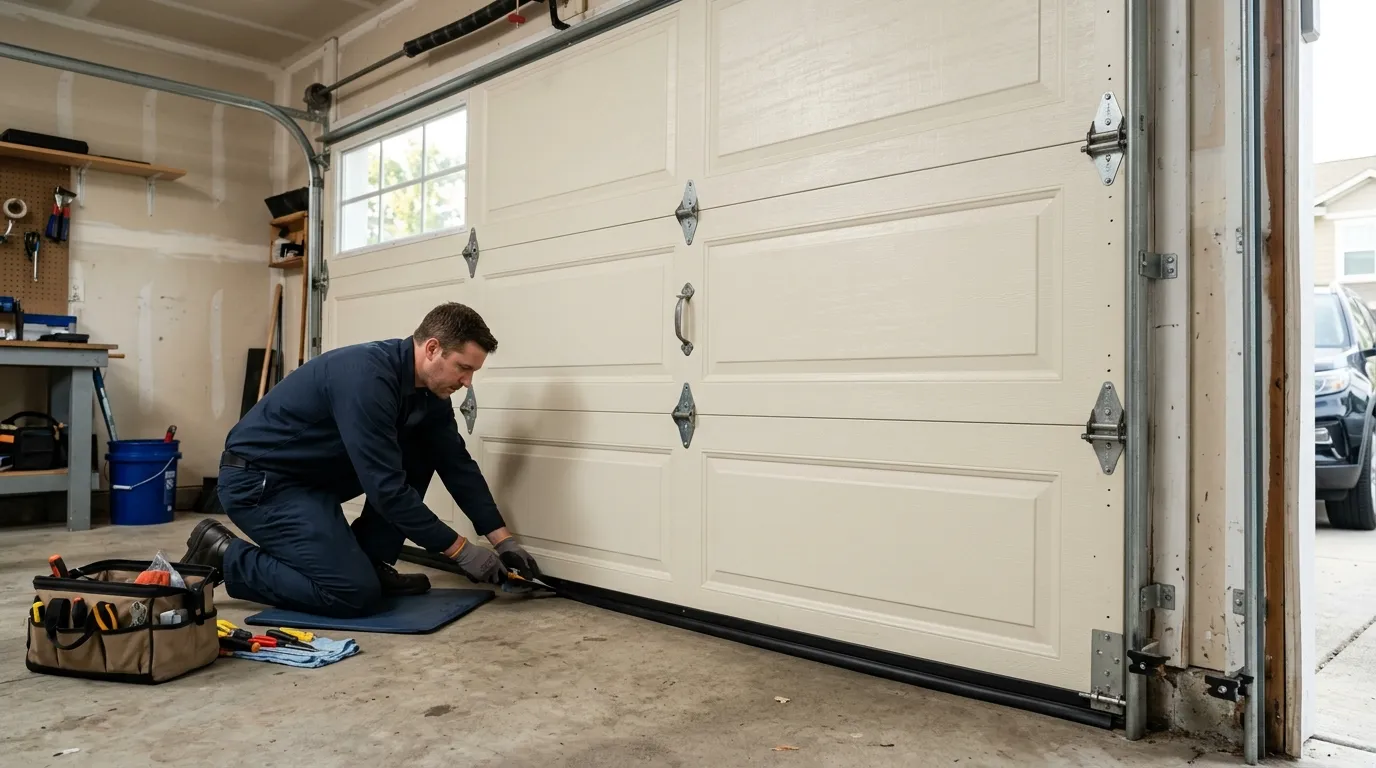
The most common thing we get called out for is a door that's gotten loud - rollers grinding, a track that pops or bangs partway through the cycle, or a low groan from the opener motor that wasn't there a year ago. That's usually dried-out lubrication or a roller starting to wear flat, and it's cheap to fix before it turns into a bent track.

A door that's slow or uneven

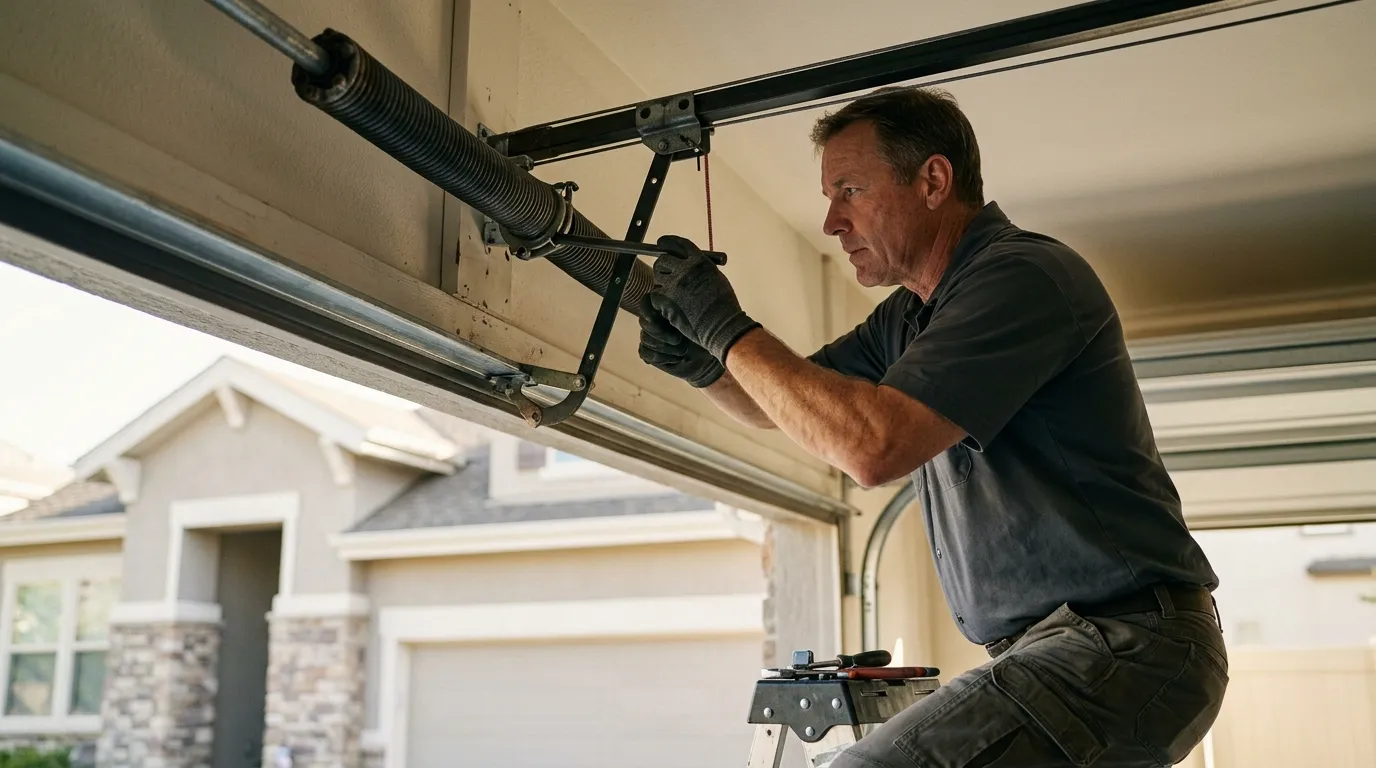
The second most common is a door that's slow, uneven, or seems to hesitate - one side dropping faster than the other, or the door needing a second push on the wall button. That's a balance problem, and it almost always traces back to a spring that's lost tension. On a door built in the 1990s that's original hardware, this is close to routine at this point.

Frayed cables and loose brackets

Less common but more serious: a cable starting to fray at the drum, or a bottom bracket working loose from the panel. Those don't announce themselves the way a noisy roller does - they just let go, which is the case for a look-over before it becomes a call at 6 a.m. with the car trapped inside.

Pricing

What You Pay

What a maintenance visit costs depends on the door, the opener, and what we actually find once we're under it, not a number we can post in advance. Here's how we price the visit itself and when we'll tell you plainly that repair isn't the better move.

Quoted before we touch anything

We don't have a fixed number to publish here, because what a visit costs depends on the door, the opener, and what we find once we're under it - a single spring adjustment is a different job than a full torsion spring replacement or an opener board swap. What we can tell you is that we quote before we touch anything, and the visit fee is separate from any repair, so you're never guessing what happens next.

When patching isn't worth it

One honest limitation: if a door is old enough that the opener and the springs are both failing at once, patching one and leaving the other is usually a waste of your money. We'll tell you when replacement is the better math instead of stacking repair costs on a door that's done - we'd rather lose a repair ticket than have you call us back in six months for the other half of the same problem.

Questions

Common questions

How often should I get my garage door serviced in Austin?

For a door built in the 1980s-2014 window that most Austin houses fall into, once a year is reasonable if it's used daily. Springs and rollers wear on a cycle count, not a calendar, so a door on a two-car household with both cars going in and out gets there faster than a rarely used single door.

Why does my opener seem to be failing even though the door still moves fine?

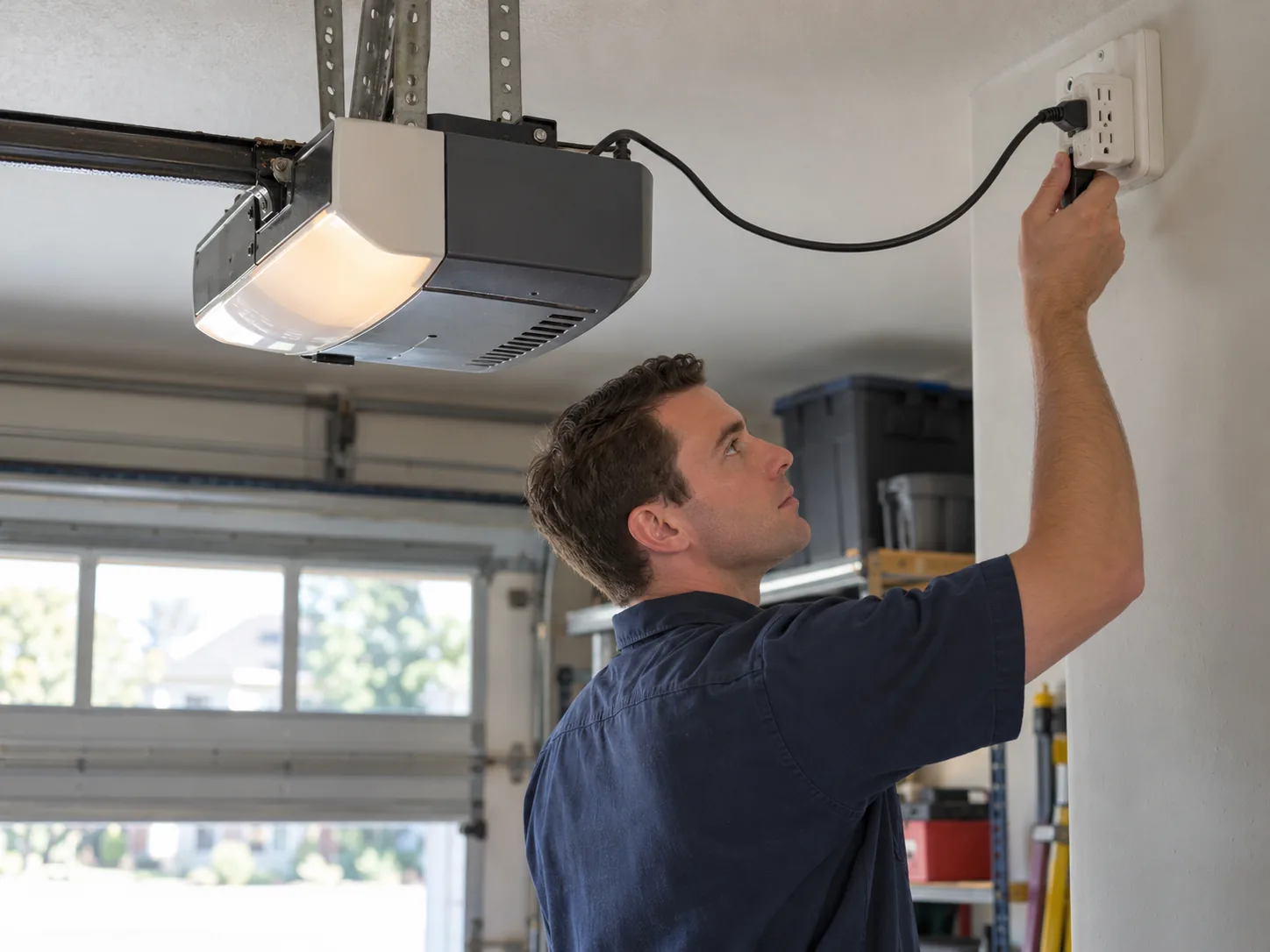
Opener circuit boards and capacitors age out on their own schedule, separate from the mechanical door. A lot of Austin openers are original to houses built in the 1990s, and that's about the age where boards start dropping signal or failing to reverse properly on obstruction.

Do you cover areas outside central Austin?

Yes. We work across the wider service area, from close-in spots like Zilker and Mueller out to Steiner Ranch, Lago Vista, and similar distances. Call with your address and we'll confirm the visit.

Is a noisy garage door always a repair, or can maintenance fix it?

Most noise is rollers or hinges needing lubrication and adjustment, which is a maintenance fix, not a repair. It only becomes a repair if the noise means a bent track or a roller that's actually worn through, which we'll check for during the visit.

Ready when you are

Need a garage door sorted in Austin?

Austin Garage Door Guys repairs and installs garage doors, springs and openers in Austin, TX and the surrounding area.

CallGet a quote