Austin, TX

Garage Door Opener Installation in Austin

Garage door opener installation across Austin, TX - why 1980s-2000s openers fail, what a new install involves, and what drives the cost. No guesswork, no upsell.

Garage Door Opener Installation in Austin in Austin
Same-day service in most cases
Serving Austin, TXBackground-checked techsHonest, upfront pricingFast local response
1980–2014
Typical build years of local homes
1998
Median year homes were built
$121K
Median household income

Booking

Booking a Visit

Most opener calls come in one of two ways - the old unit finally quit, or someone wants to move up to a smart, phone-linked model - and either way we ask a few things before the truck rolls. Here's how booking works across the whole service area.

  1. We cover the whole service area

    We run opener installs and replacements across the whole Austin service area, from West Lake Hills and Barton Creek on the west side out to Wells Branch and Manor on the east. If you're closer to one of those spots, our area pages cover the local specifics - this page is about the install itself, no matter which side of town you're on.

  2. Two calls we get most: dead unit or upgrade

    Most opener calls come in one of two ways: the old unit finally quit, or a homeowner wants to move up to a smart, phone-linked opener before the old one strands them. Either way, we ask a few things before we show up.

  3. We ask about your current setup first

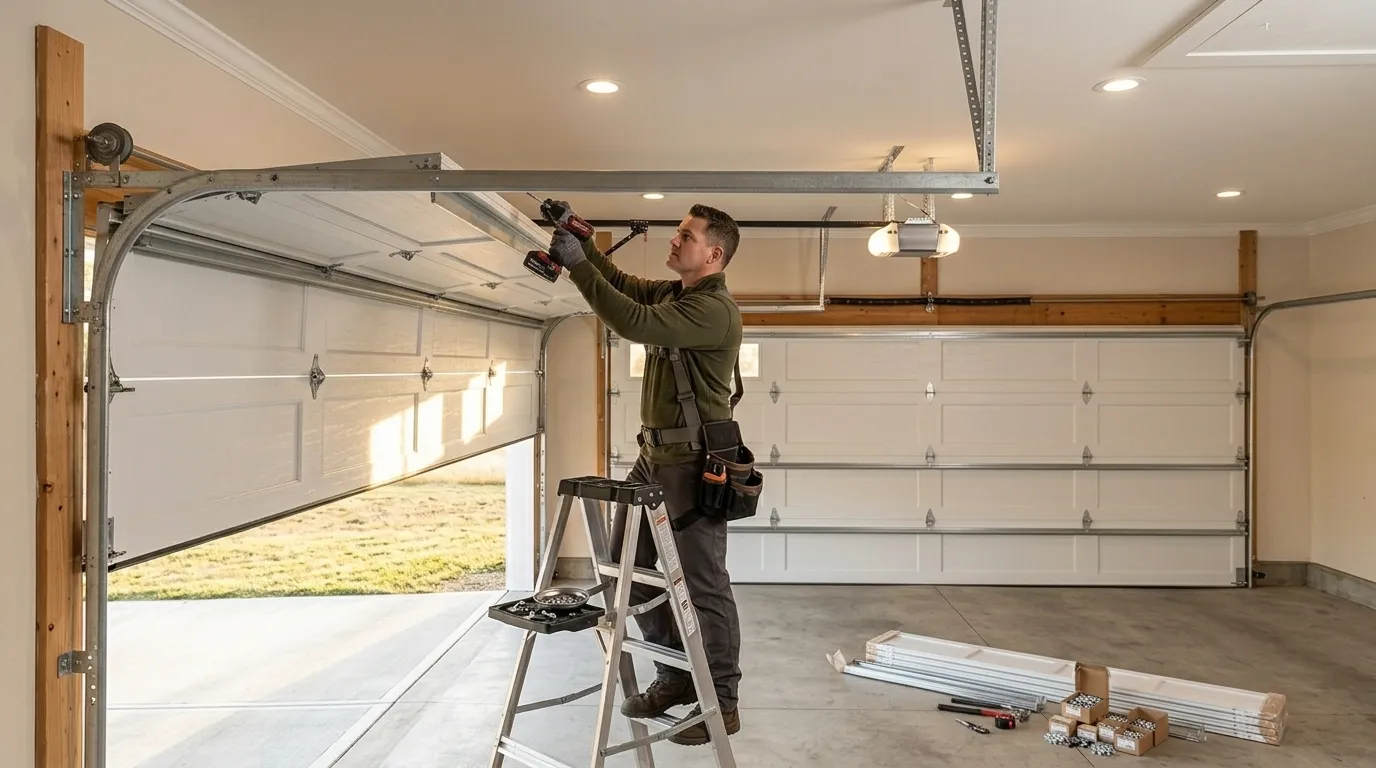
    We ask the brand and age of the current opener if you know it, whether the door is a single or double, and whether you've got an existing wall control or want a new keypad. That lets us bring the right rail length and the right hardware on the first trip instead of a second one.

  4. We're upfront about special-order delays

    We book by phone or through the site, and we're upfront if a specific opener model needs to be special-ordered - that's the one delay we can't always avoid on an install, and we'd rather tell you up front than guess and leave you waiting.

Local causes

Why This Fails Locally

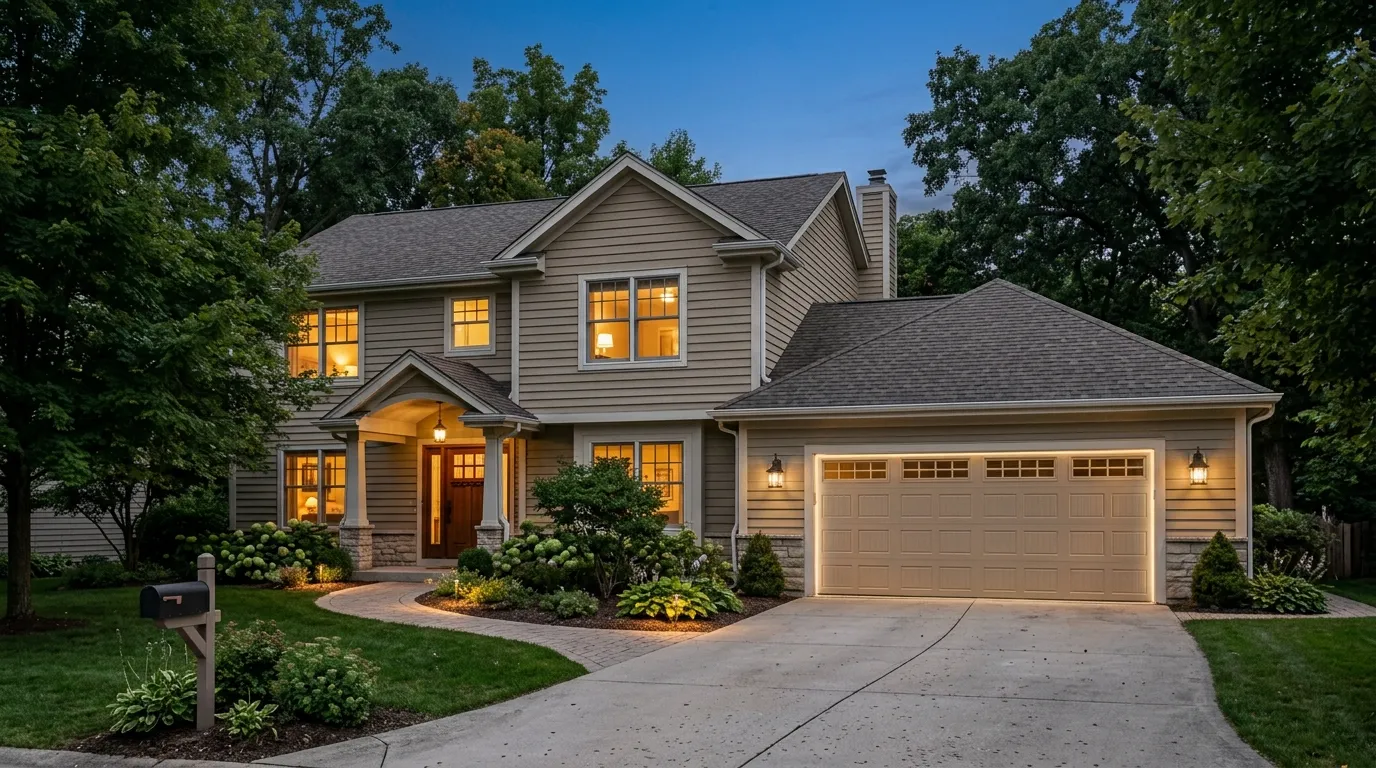
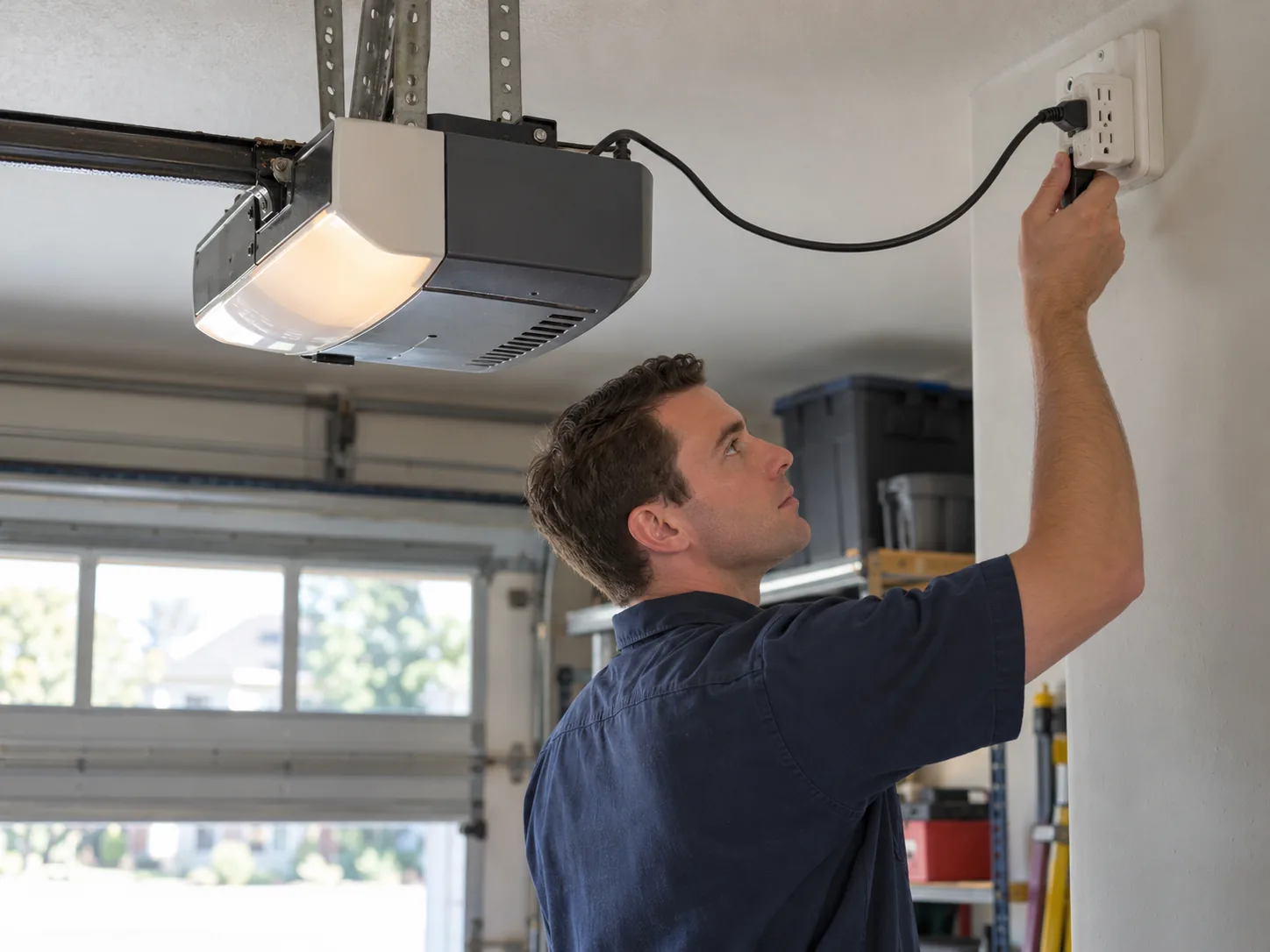
Housing across the Austin service area went up mostly between 1980 and 2014, with the median build year landing around 1998. That means a huge share of openers out there are original equipment now pushing 25-plus years, or they're the first replacement unit from the late 90s or early 2000s - either way, they're well past the point where the motor windings, the logic board capacitors, and the drive gear start going one at a time instead of all at once.

That 1980s-to-90s stock shows up the same way across all twenty-three named parts of the service area we track, so the failure pattern is consistent whether the house is near Zilker or out past Wells Branch: chain-drive openers with no rolling code security, worn nylon drive gears, and circuit boards that were never built to run this long.

Austin sits in a moderate-heat climate band, not an extreme one, so we don't see the hard freeze failures some other regions get. What we do see is summer heat working on plastic gears and drying out chain lube faster than the manual assumes, plus logic boards baking in garages that hit triple digits for weeks at a stretch. It's a slow failure, not a sudden one - which is exactly why so many owners wait until the opener won't respond at all before they call.

Why This Fails Locally

Warning signs

What You Are Seeing

A remote that only works from inside the garage, a door that reverses halfway, or a hum with no movement - these are the calls we hear most on 1980s and 90s opener stock. Here's what each one usually means.

Remote works inside, not from the driveway

The remote works from inside the garage but not from the driveway - that's usually a weak antenna or a board losing signal strength, not a dead remote battery. It's one of the more common opener complaints we hear, and it rarely means the whole unit needs replacing on its own.

Door reverses halfway, or the head blinks a code

The door starts up, then reverses halfway - that's the safety sensor alignment, or a limit switch that's drifted with age. A light on the opener head blinking a set number of times when nothing else happens is the unit telling you a fault code, and on a lot of 1990s and early-2000s models still running out there, that code means the board is the failure, not something you can grease or tighten.

A hum with no movement

Some owners hear a hum with no movement, which usually points to the capacitor that gives the motor its starting kick - a cheap part on paper, but one that isn't sold loose anymore on most of these older units, so the fix becomes a new opener rather than a repair.

We won't put a new motor on a broken door

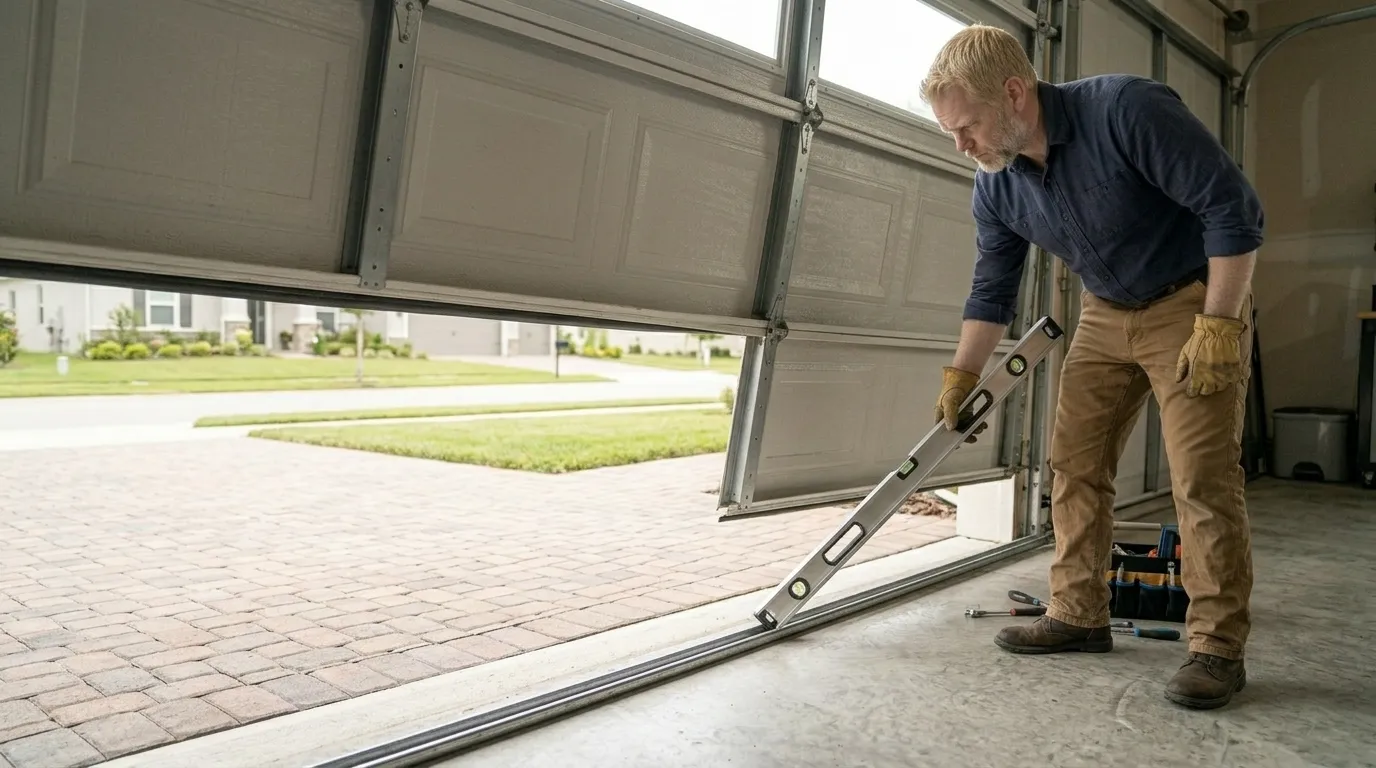
We won't install a new opener onto a door that's structurally wrong for it - a bent track, a spring that's clearly at the end of its life, or a panel that's racking. Putting a new motor on a door that can't move properly just breaks the new motor faster, and we'll say so before we touch it.

Pricing

What You Pay

A straight swap onto existing rail and a full new install with battery backup don't cost the same, and with a median household income of $121,750 across the area, plenty of owners choose to go a step up. Here's what actually drives the price.

What changes the number

We don't publish a flat number here because opener installs vary by what you're starting with - a straight swap onto existing rail and wiring costs less than a full new rail, new wall control, and battery backup on a garage with no existing power run. What changes the number: chain-drive versus belt-drive, whether you want smart-phone control added, whether the existing wiring and outlet are usable, and whether the door itself needs any work before the opener goes on.

Owners upgrading beyond a basic swap

Across the service area, most of the households we work with - 41,792 out of 73,657 total - own the house they live in, and with a median household income around $121,750, we see a real share of those owners choosing to go a step up rather than a like-for-like swap: battery backup for outages, a smart opener that pushes an alert to your phone if the door's left open. That's a choice, not a requirement - a basic chain-drive unit still does the job.

Quoted on site, no charge to ask

We quote the job on-site once we've seen the door, the rail, and the wiring - no guesswork over the phone, and no charge just to give you the number, whether you end up going with a basic chain-drive unit or a smart, battery-backed model.

Questions

Common questions

How old does my opener have to be before replacing it makes more sense than repairing it?

If the board is the failure - the kind that shows a blink code with no visible mechanical problem - repair usually isn't worth it, especially on a unit from the late 90s or early 2000s where parts aren't sold loose anymore. A worn gear or a bad sensor is a fair repair. A dead board on a 20-plus-year-old unit is a replacement.

Can you match my existing opener brand if only one side of a double garage needs a new unit?

Sometimes, if the model's still made or a close match exists. A lot of the openers original to houses built in the 80s and 90s are long discontinued, so we'll tell you upfront if an exact match isn't possible and walk you through the closest current option instead.

Will a new opener fix a door that reverses halfway up?

Only if the cause is the opener's sensor or logic, not the door. We check safety sensor alignment and the door's own hardware before we recommend a new unit - if the track's bent or the spring's failing, a new opener on top of that won't hold.

Do you install openers with battery backup?

Yes, it's an option on most current models, and a fair number of owners in the service area add it, given how often outages knock out a single door's only way in or out. It costs more than a basic unit, and we'll show you that difference before you decide.

Ready when you are

Need a garage door sorted in Austin?

Austin Garage Door Guys repairs and installs garage doors, springs and openers in Austin, TX and the surrounding area.

CallGet a quote