Lost Creek, Austin

Garage Door Service for Lost Creek, TX

Garage door repair and replacement for Lost Creek homes built around 1980 - original hardware, panel sizes, and openers we see on this side of Austin.

Garage Door Service for Lost Creek, TX in Austin
Same-day service in most cases
Serving Austin, TXBackground-checked techsHonest, upfront pricingFast local response

Watch-outs

What Can Go Wrong

Lost Creek's houses mostly went up around 1980, well ahead of the newer construction closer to central Austin that stretches through 2014. Most of what we find here is a single wide steel or wood-composite panel door, 16 feet across for the two-car garages common on these lots, hung on hardware sized for a lighter door than insulated steel doors sold now.

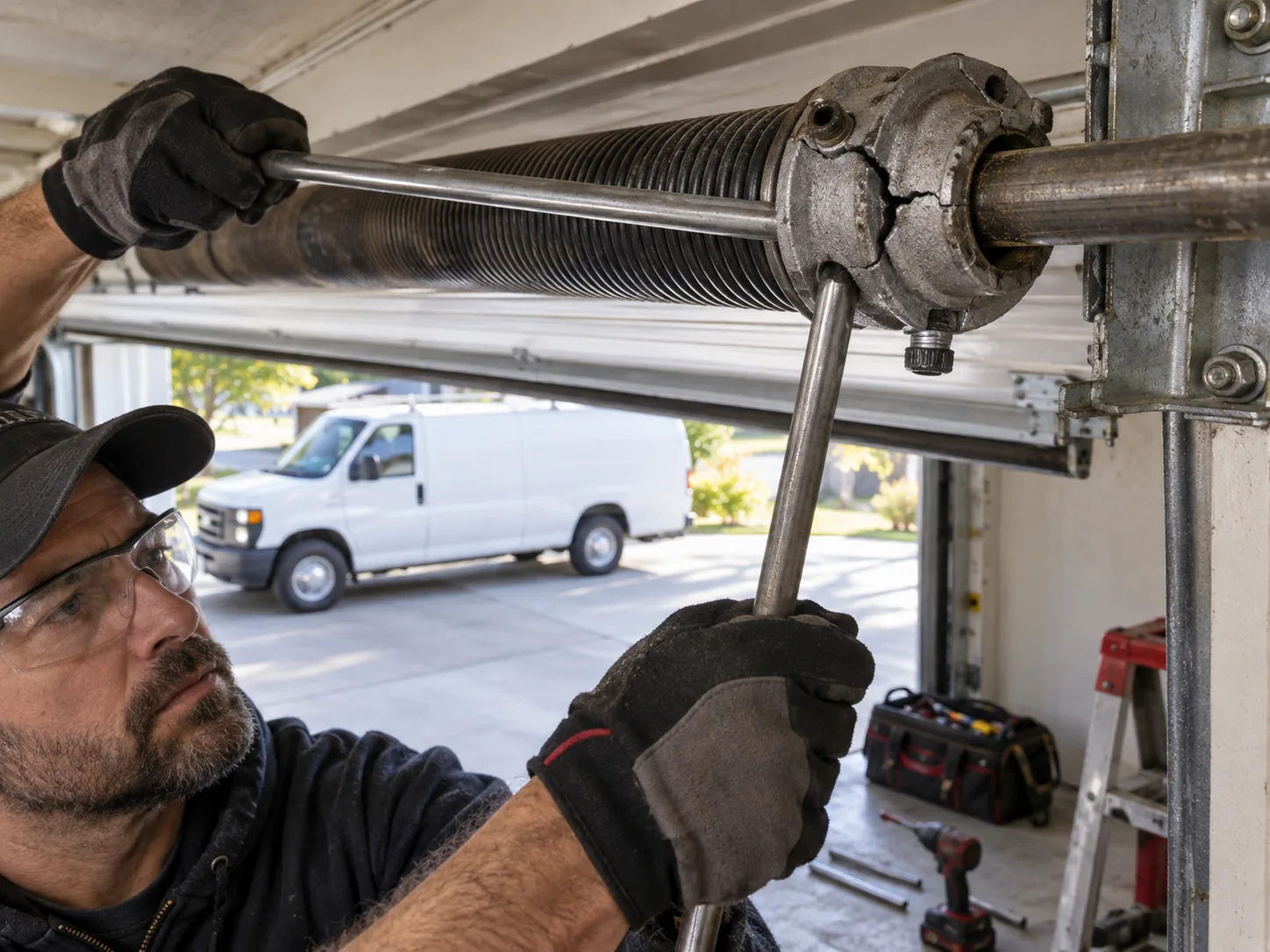
Snapping torsion springs

Forty-plus years in, the failure points are predictable: torsion springs rated for the original panel weight lose tension and snap, sometimes taking a cable with them. That kind of failure tends to arrive without warning on a door this age.

Worn steel rollers on track

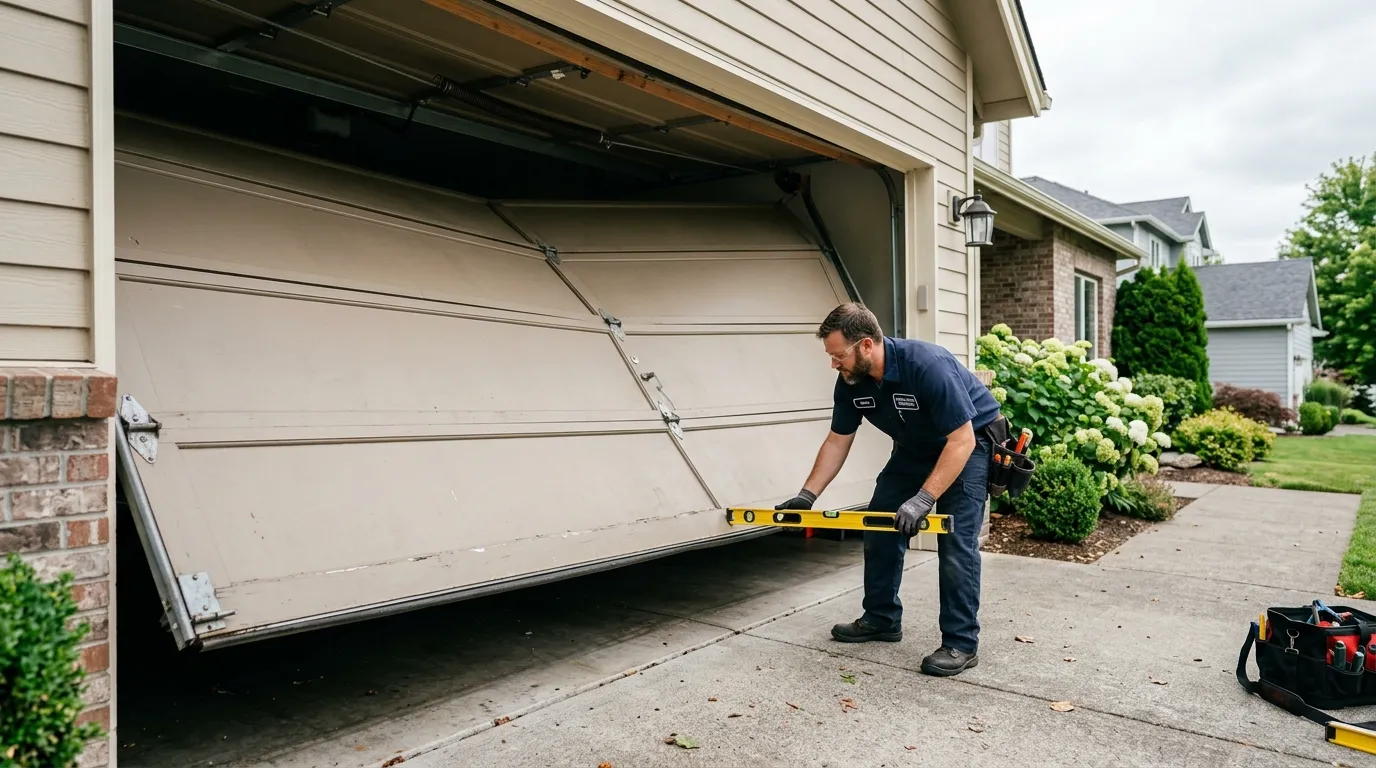
Rollers on the original tracks are usually steel, not nylon, so they've worn the track lips down unevenly, and the door binds or drops crooked on one side. That uneven wear is a slow process that gets worse every time the door cycles.

Original chain-drive openers

Openers from a 1980s-era build, if never replaced, are chain-drive units with worn gears and no modern safety reversal - that's not a small fix, that's a swap. Running one of these past its life expectancy is a safety issue as much as a convenience one.

Shifted wood jambs

We also see wood jambs that have shifted slightly with the house's own settling over four decades, which throws the door's square off even when the door and hardware are otherwise sound. That's a carpentry problem wearing a garage door problem's clothes, and it's worth diagnosing correctly before anyone replaces parts that were never broken.

Pricing

What You Pay

We don't have a Lost Creek-specific price sheet, and we're not going to invent one. What we can tell you is that the neighborhood's median household income runs well above the wider Austin service area's $121,750 - Lost Creek sits at $160,609 - and in practice that means homeowners here more often choose full replacement over patching a 40-year-old door when a spring or opener fails, rather than nursing the original hardware along.

That's a homeowner decision, not a sales pitch from us. A torsion spring replacement on an old but sound door is usually the cheaper call. Replacing a door that's already lost square, has a bent track, and needs a new opener anyway starts adding up fast, and at some point the smaller repairs cost nearly as much as starting over with a door built for the load it's actually carrying.

We give you the real number for your door and your hardware after we're standing in front of it - not before.

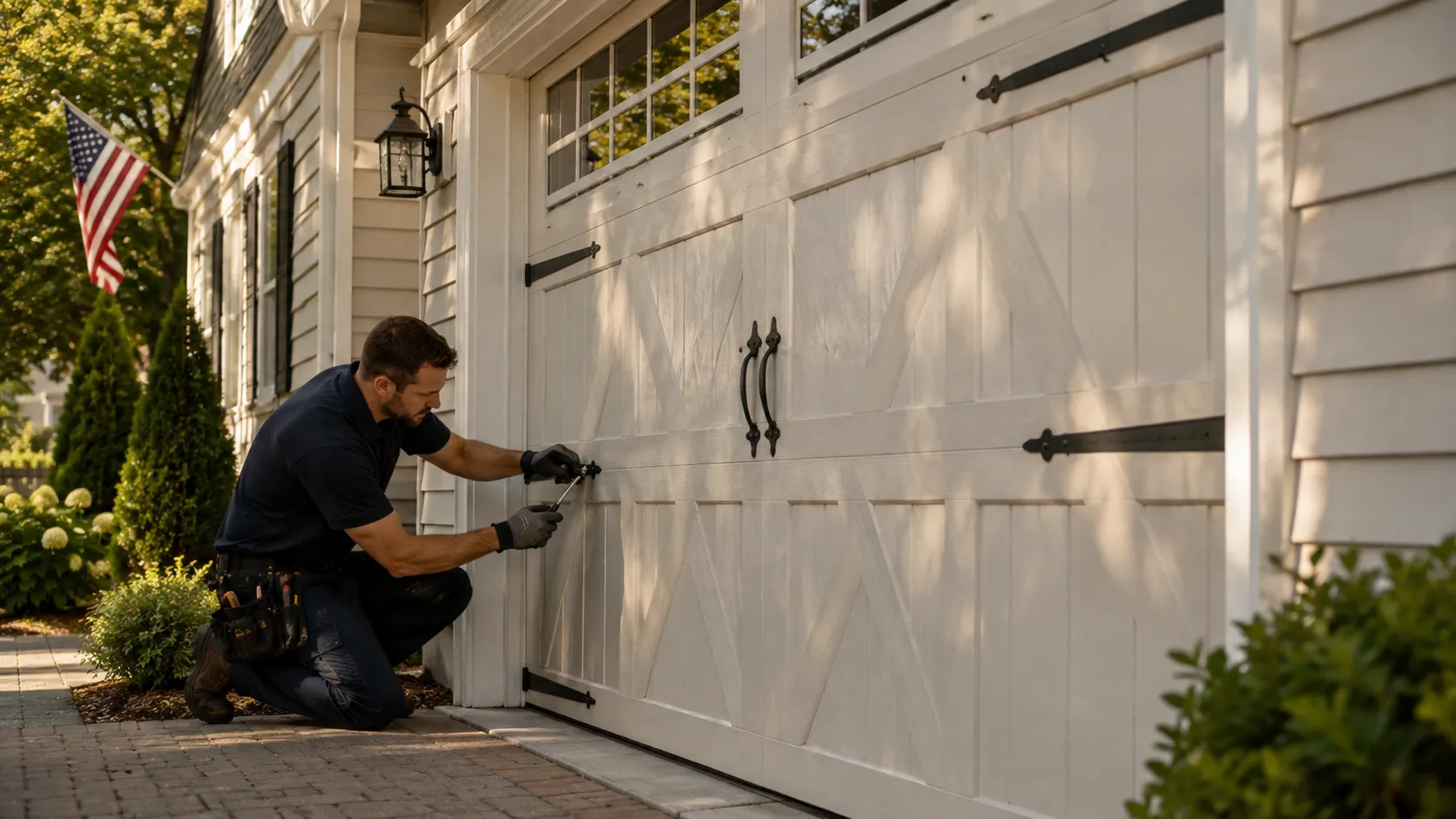
What You Pay

Our process

How We Fix It

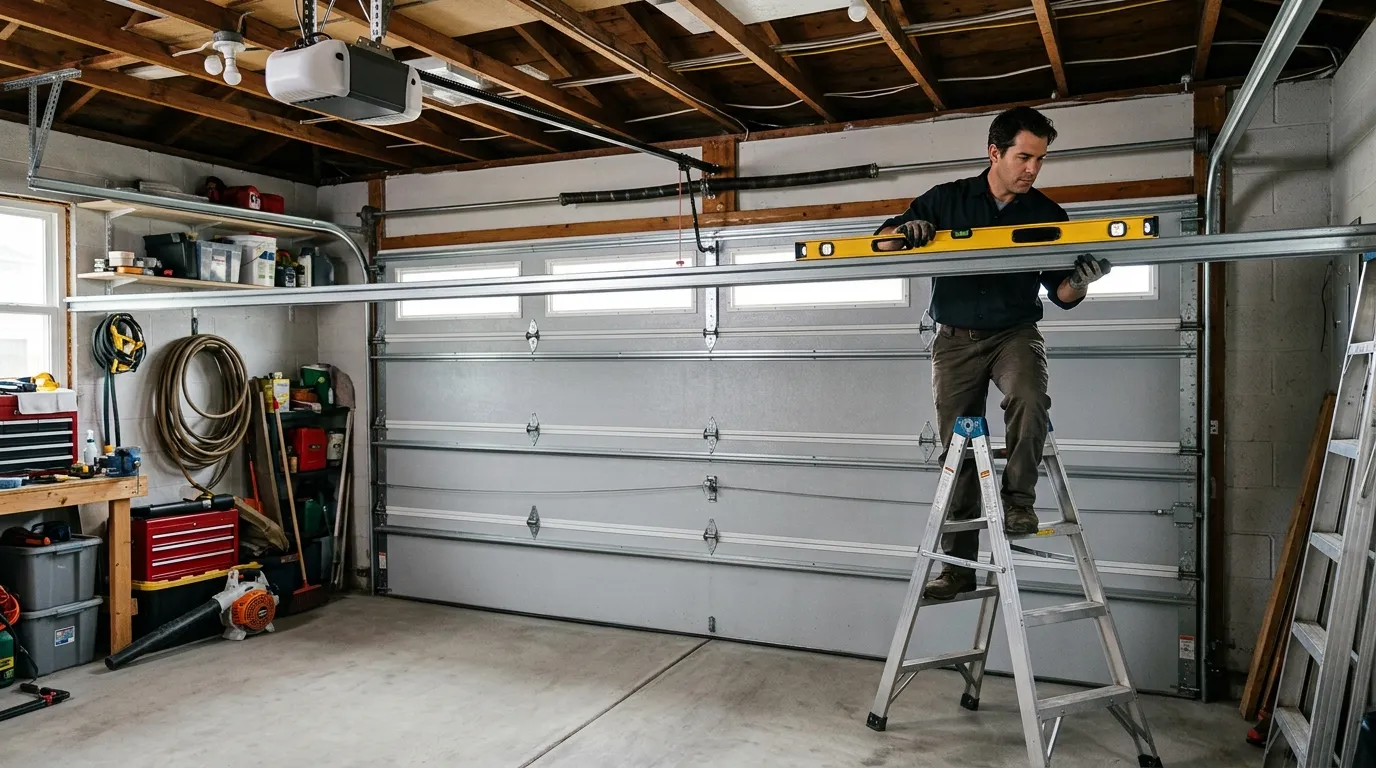
For a house from this era, the first thing we check isn't the spring, it's the track alignment, because so many Lost Creek doors we see have tracks that have walked out of plumb over the decades. Fixing everything else first just means a return trip.

  1. Confirm track alignment first

    For a house from this era, the first thing we check isn't the spring, it's the track alignment, because so many Lost Creek doors we see have tracks that have walked out of plumb over the decades. Fix the spring on a misaligned track and you're back out here in six months.

  2. Match spring wind to real weight

    Once the track's confirmed straight or corrected, we match spring wind to the actual door weight - not a generic size chart, since a lot of these original panels are heavier or lighter than what a modern door of the same width would weigh.

  3. Replace cables and rollers as a set

    Cables and rollers get replaced as a set when one's gone, since mismatched wear on the other side just moves the problem rather than solving it. We treat both sides of the door as one job, not two separate fixes.

  4. Give an honest opener recommendation

    For openers, if the unit is original to the house, we tell you straight: a 40-plus-year-old chain drive has no safety reversal system worth trusting, and we'll say so rather than patch a gear and send you on your way. Replacing it is the honest recommendation, not an upsell.

Warning signs

What You Are Seeing

These symptoms tend to point to specific parts rather than a single catch-all cause, especially on a house built around 1980 where original steel track and early openers are still common. Here's what each one usually means before you decide whether to keep running the door.

Uneven drop on close

If your door is dropping unevenly on one side when it closes, that's usually a cable or a worn roller on original steel track - common on doors from this build era that have never had the track hardware updated.

Opener hums, door won't budge

A door that won't budge and the opener just hums is very likely a broken torsion spring, and on a door this old, the spring is probably still the size that came with the house, not a stock replacement.

Reverses near the floor

A door that closes but reverses immediately, or won't close at all near the floor, points to the photo-eye safety sensors, which almost certainly weren't on the original 1980 opener and were added later - worth checking the wiring and alignment before assuming the opener itself is bad.

Grinding or popping sounds

Grinding or popping when the door moves, especially near one end, is steel rollers riding in a worn track groove - not dangerous immediately, but it accelerates wear on the rest of the hardware if it's left alone.

What Is on the Truck

On the truck

What Is on the Truck

We come from Austin, about 6 miles out to Lost Creek, so the truck is stocked for exactly the range of doors we expect on this run - torsion springs sized for the heavier original panels common in 1980-era construction, plus standard modern spring sizes for anyone who's already replaced their door. We carry steel and nylon rollers, cable sets, and both chain-drive and belt-drive opener units, since we see both generations of hardware out here depending on whether the house has been updated.

What we don't carry is a fix for a door with a jamb that's shifted with the house - that's a call for a foundation or carpentry contractor first, and we'll tell you that on site rather than force a garage door fix onto a structural problem. We'd rather lose that hour of labor than sell you a repair that won't hold.

Questions

Common questions

Why does my Lost Creek garage door feel heavier than a newer one?

Lost Creek homes mostly date to around 1980, and doors from that era are often solid wood-composite or thicker steel panels than what's sold today. The original torsion spring was wound for that weight. If a spring's been replaced with a generic modern size, the door can feel wrong-balanced, either too heavy to lift by hand or prone to slamming.

Is it worth replacing my original 1980s opener?

If the opener is original to the house, yes. A chain-drive unit that old lacks the safety reversal sensors required on modern openers, and gears that worn are a repeated-callback situation, not a one-time fix. We'll tell you honestly if yours still has some life left, but most from this build year don't.

Do you have a branch in Lost Creek?

No. We're based in Austin and drive out to Lost Creek, about 6 miles, for every job. There's no local depot, which is why we stock the truck for what we expect to find here rather than restocking mid-job.

Ready when you are

Need a garage door sorted in Austin?

Austin Garage Door Guys repairs and installs garage doors, springs and openers in Austin, TX and the surrounding area.

CallGet a quote