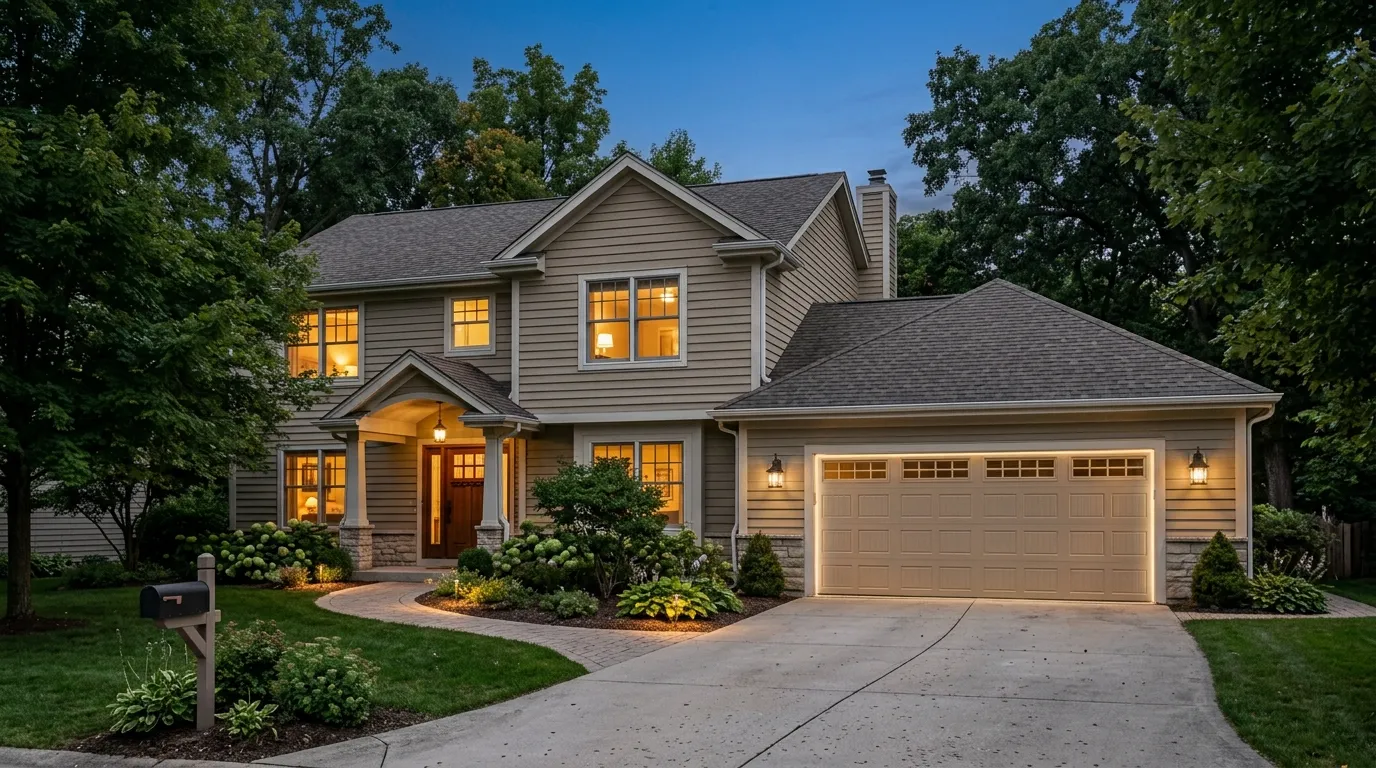
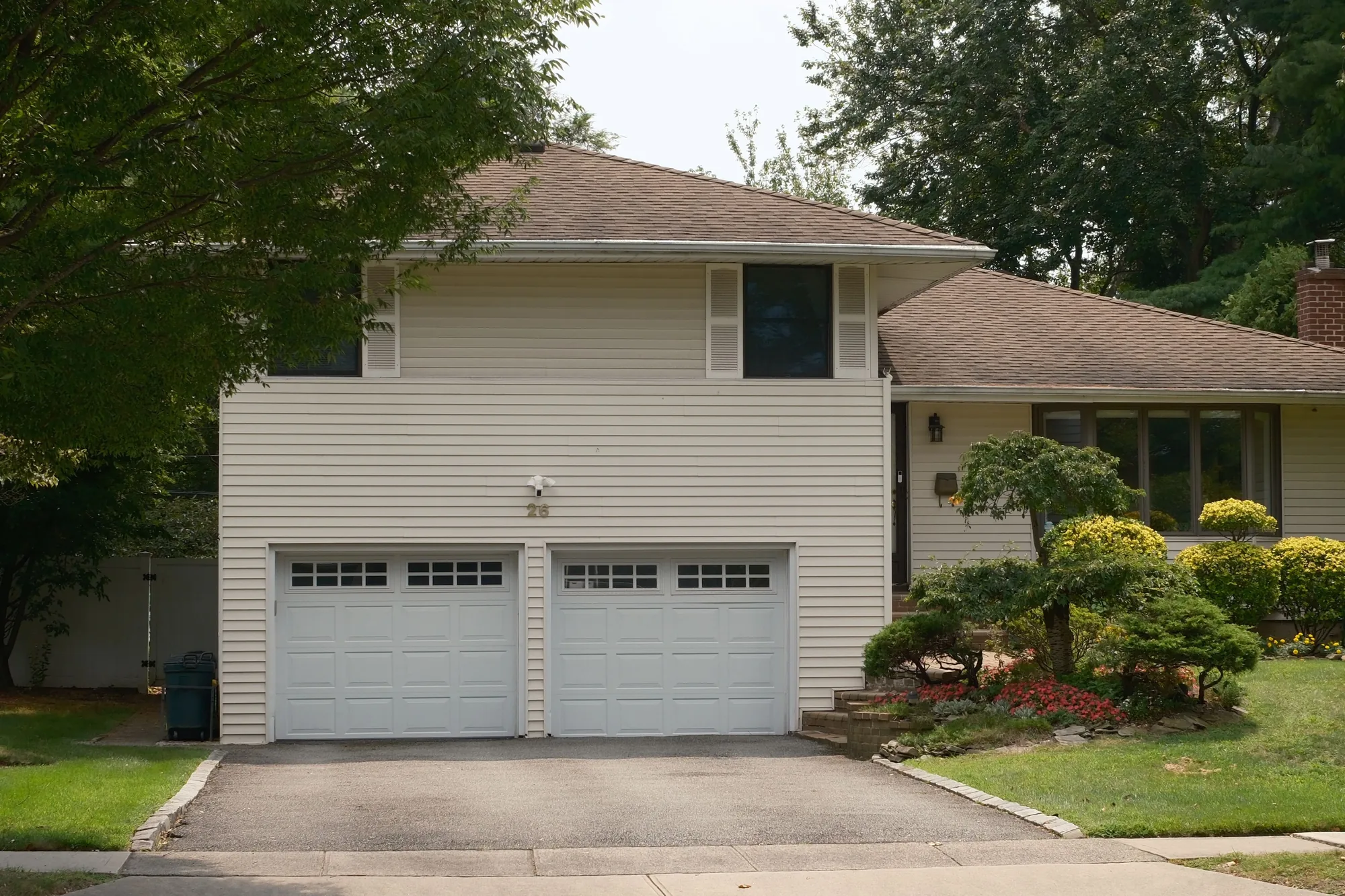
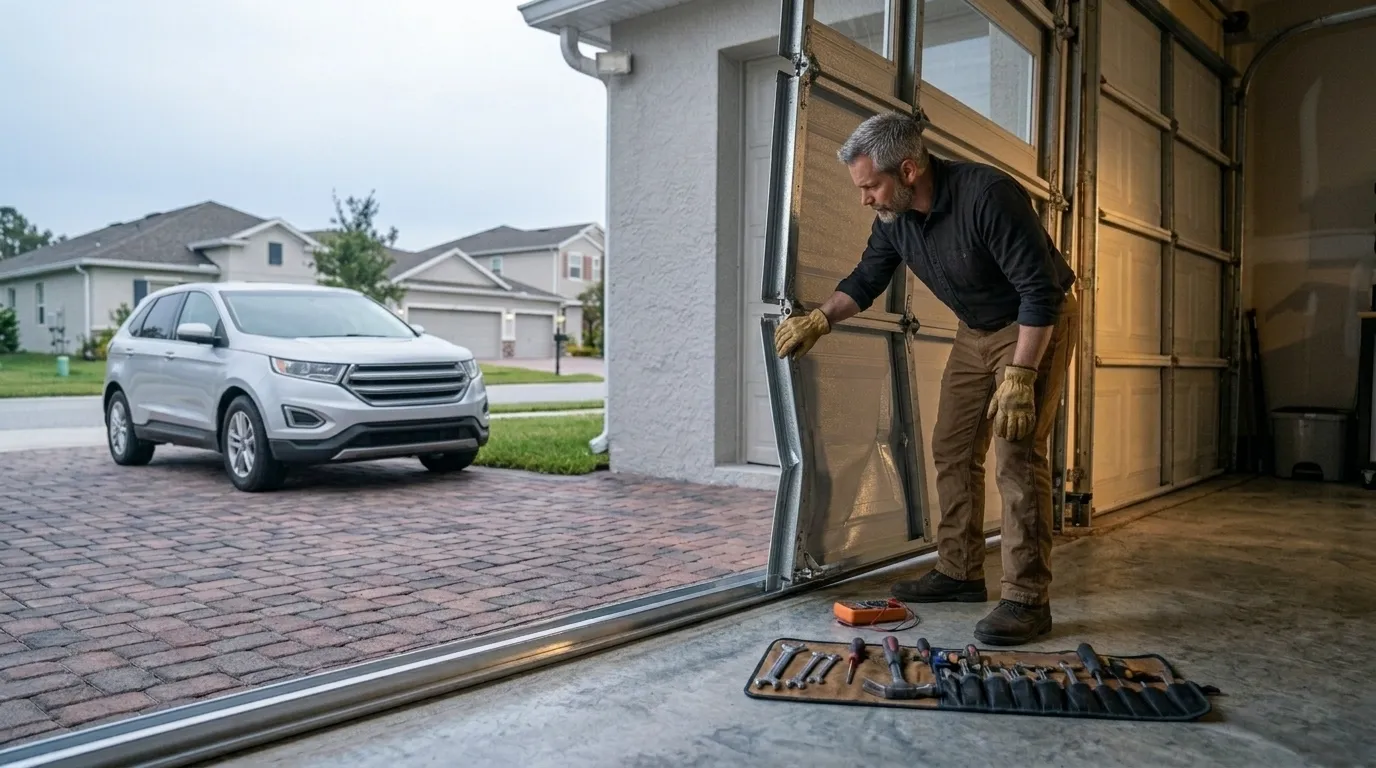
Barton Creek, Austin

Opener Installation for Barton Creek Homes

Barton Creek homes went up around 2002 with mid-grade chain openers builders used at that price point. Here's what fails first and what a straight swap costs versus a rebuild.

Opener Installation for Barton Creek Homes in Austin
Same-day service in most cases
Serving Austin, TXBackground-checked techsHonest, upfront pricingFast local response

Downtime

How Long You Are Without the Door

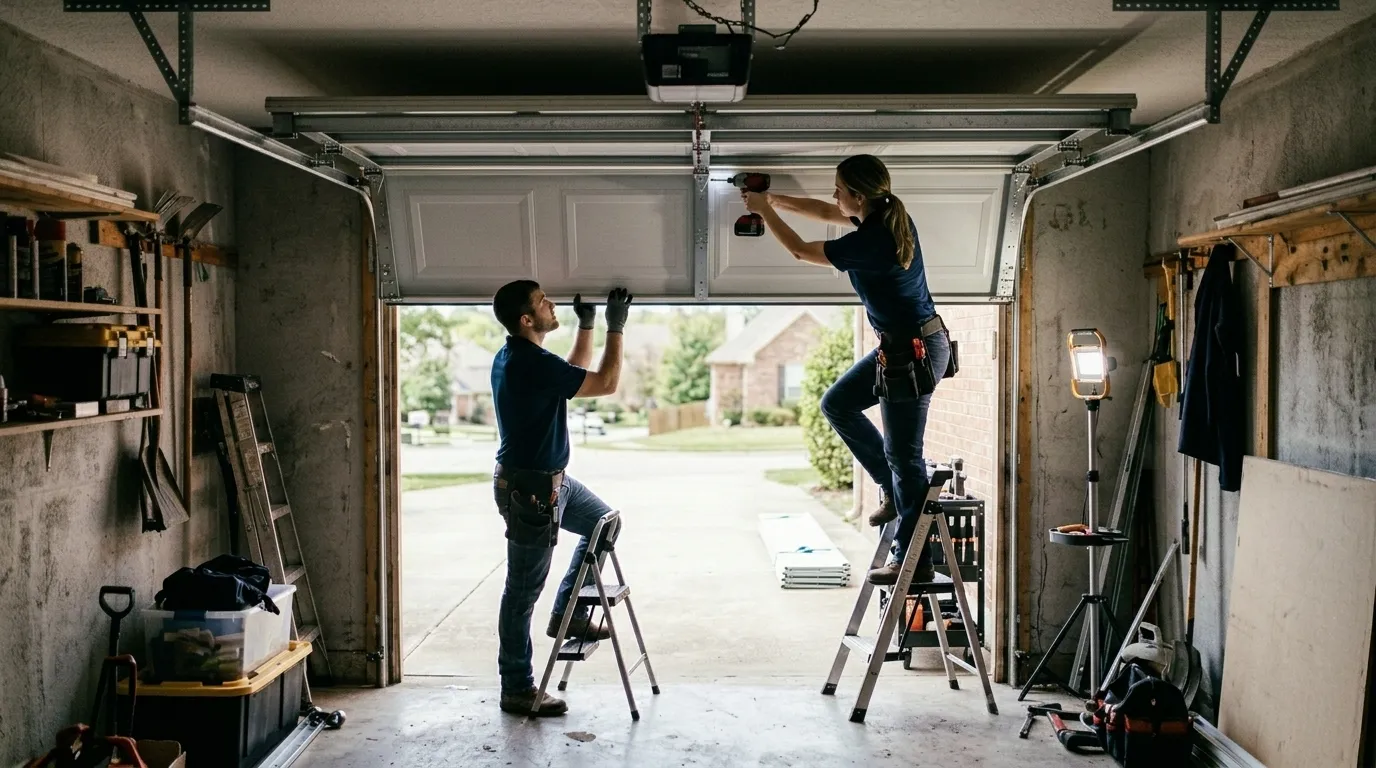
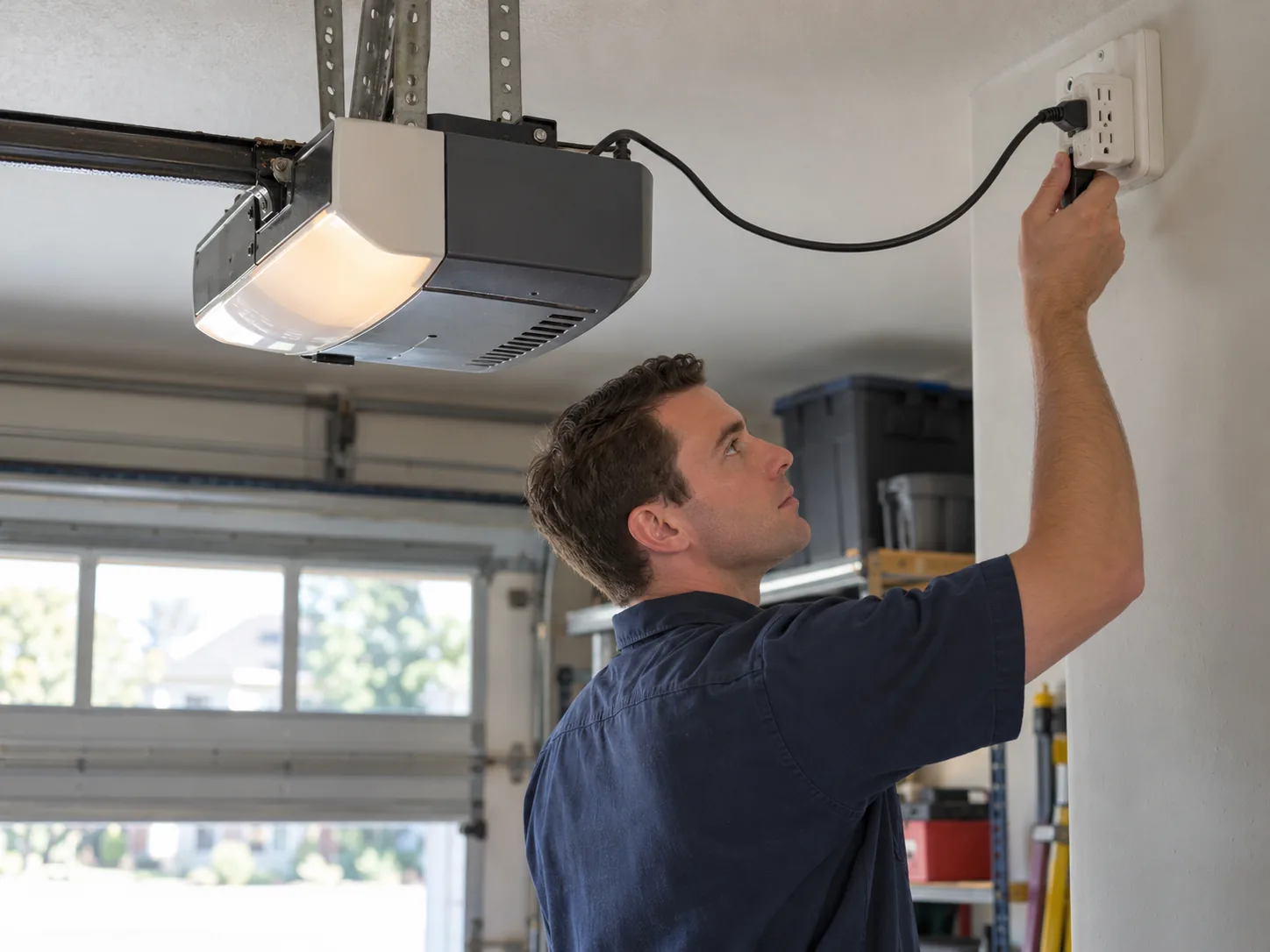
Barton Creek sits about 7 miles from our Austin base, so we're not driving across town for a same-block call - we schedule the trip. Once we're at the house, a straight opener swap on a door that's otherwise sound runs a single visit: pull the old unit, mount the new rail and head, tie in the safety sensors, program the remotes, done before we leave. If the door itself needs work first - a bent track, a spring that's not rated for the new unit's lift cycle - that's a second piece of the job, and we'll say so on-site rather than guess over the phone. At median household income near $193,971 here, most owners we talk to want the job done once, correctly, not staged into multiple visits to save on a part.

How Long You Are Without the Door

Watch-outs

What Can Go Wrong

Median year built around 2002 puts most Barton Creek garages on their second or third opener already, since the builder-grade chain-drive units from that era were rated for maybe 10,000 cycles and a lot of them are well past it by now. Here's what actually fails first.

Openers past their cycle rating

Median year built around 2002 puts most Barton Creek garages on their second or third opener already - the builder-grade chain-drive units from that era were rated for maybe 10,000 cycles, and a lot of them are well past it now.

Logic board or gear failure

The common failure isn't the motor, it's the logic board or the drive gear stripping under a door that's gotten heavier over the years. Owners add insulation, a keypad, or sometimes a second layer of hardware without rebalancing the springs to match, which loads the opener beyond what it was built for.

Safety sensors quietly failing

We also see safety sensors knocked out of alignment or just quietly failing - the door reverses for no reason, or worse, doesn't reverse when it should. That's not a cosmetic issue; it's the one thing on the whole system you don't want to be optimistic about.

On the truck

What Is on the Truck

We carry belt-drive and chain-drive openers, the mounting rail lengths to fit standard residential door heights, and both wall-mount and smart wall controls. Here's what's on the truck for a standard install, and the one category of part we don't chase down.

Belt-drive & chain-drive openers

We carry belt-drive and chain-drive openers, the mounting rail lengths to fit standard residential door heights, and both wall-mount and smart wall controls, which covers the large majority of installs we run on houses from this build era across Barton Creek and the surrounding streets.

No chasing discontinued boards

What we don't carry is every legacy circuit board for openers over 15 years old - if your unit predates the current safety-sensor wiring standard, we're replacing the head unit outright rather than chasing a discontinued part. That's the honest, faster fix for hardware this old.

Why a belt-drive swap makes sense

For a house built in the early 2000s, replacing rather than chasing parts is usually the right call anyway: a new belt-drive unit is quieter, and if you're running the garage under a bonus room or home office, that's a difference you'll actually feel day to day.

Why This Fails Locally

Local causes

Why This Fails Locally

This isn't an Austin-wide pattern - it's specific to the build era out here. Barton Creek's housing stock clusters tight around 2002, which means a lot of these openers are aging out in the same few-year window across the neighborhood, not staggered the way they'd be in a mixed-era area. When one system fails from cycle fatigue, the one next door built the same year is usually close behind it. We also see doors here paired with heavier insulated panels than the builder-grade opener was ever sized for - fine for years, then the drive gear finally gives out under a load it was marginal for from day one.

Warning signs

What You Are Seeing

The door hesitates before it moves, or the opener runs but the door doesn't lift - that's usually the drive component, not the motor itself. Here's how to tell which specific part is behind a few of the most common opener symptoms.

Hesitating or running without lifting

The door hesitates before it moves, or the opener runs but the door doesn't actually lift - that's usually the drive component, not the motor itself. A grinding or slipping sound partway through the cycle points to a stripped gear on chain-drive units from this build era.

Remote works, wall button doesn't fail

If the remote works intermittently but the wall button always works, look at the antenna and the logic board before assuming the whole unit is dead. That pattern usually points to a specific, fixable component rather than a full opener replacement.

Random reversal with clear sensors

If the door reverses randomly with nothing blocking the sensors, don't keep using it - get the alignment checked before it becomes a bigger problem. That's the one symptom on this list worth treating as more urgent than the rest.

DIY or pro

Doing It Yourself

Swapping a wall control or reprogramming a remote is fair game for most owners and doesn't require a call. Here's where that line sits, and the one honest limit worth knowing before installing a new opener on an older door.

  1. Swap the wall control or remote

    Swapping a wall control or reprogramming a remote is fair game for most owners and doesn't require a call. It's straightforward, low-risk work that most people can handle with the manual that came with the unit.

  2. Leave the head unit to a tech

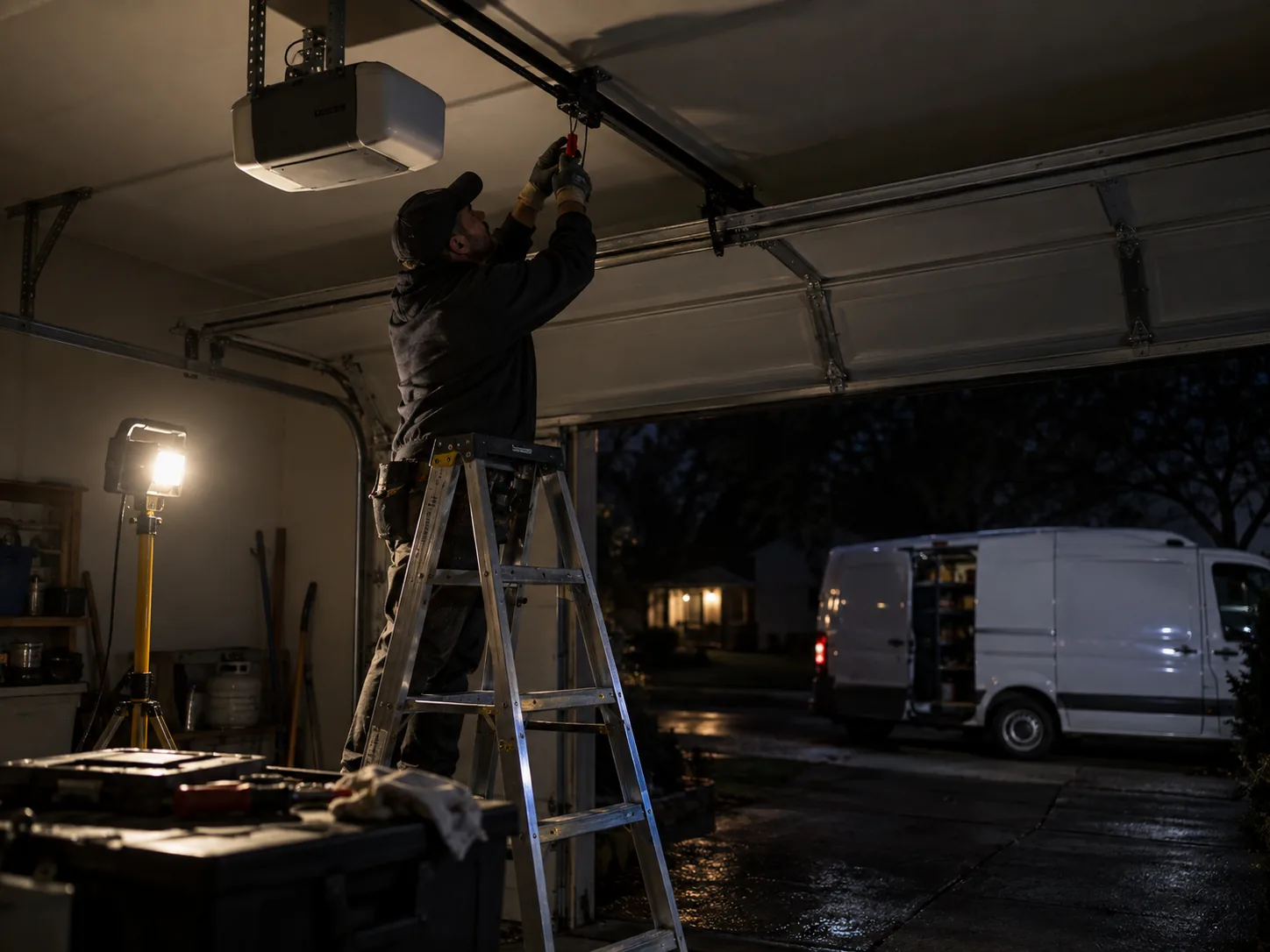
    Replacing the opener head unit itself is a different job - you're working overhead with a heavy motor mount, wiring into the same circuit as the safety reversal system, and getting the travel limits wrong can mean a door that doesn't stop where it should.

  3. Call rather than guess

    We'd rather you call for that part than find out the hard way. A miswired safety reversal system or an incorrectly set travel limit isn't something you want to discover after the door's already back in daily use.

  4. Check the springs match the opener

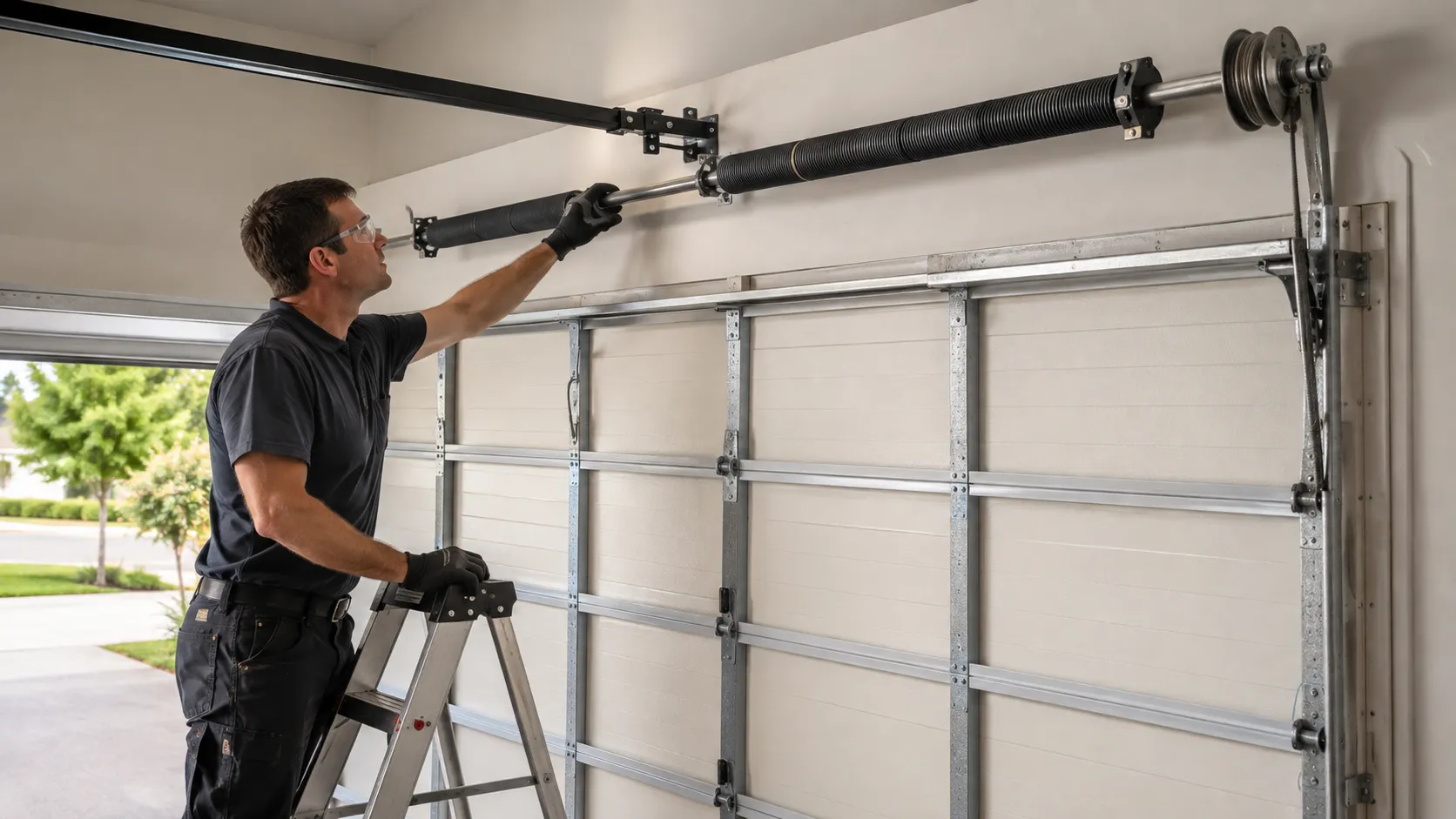
    One honest limit: if your door's springs aren't matched to the opener's lift capacity, installing a new unit without addressing that first just moves the failure point. We'll flag that before we quote the opener alone, rather than sell you a fix that won't hold.

Questions

Common questions

Do you have a branch in Barton Creek?

No. We're based in Austin and drive out to Barton Creek for scheduled jobs, about a 7-mile trip. We don't claim a local depot or a guaranteed response time here - we book the visit and give you a window.

Is my 2002-era opener worth repairing or should I replace it?

If the motor and logic board are original to a house built around 2002, you're near or past the rated cycle life. A repair on a board that old is a short-term fix at best - most owners at this point choose a straight replacement rather than gamble on parts availability for a unit that age.

Will a new opener work with my existing door and springs?

Only if the springs are sized for the door's current weight. We check lift balance before installing - if the springs are undersized or worn, we'll say so rather than install an opener that's fighting the door on every cycle.

Ready when you are

Need a garage door sorted in Austin?

Austin Garage Door Guys repairs and installs garage doors, springs and openers in Austin, TX and the surrounding area.

CallGet a quote