Barton Creek, Austin

Garage Door Repair for Barton Creek Homes

Garage door repair for Barton Creek homes built mostly after 2002, newer opener boards and heavier doors than the Austin average. Truck comes from Austin, 7 miles out.

Garage Door Repair for Barton Creek Homes in Austin
Same-day service in most cases
Serving Austin, TXBackground-checked techsHonest, upfront pricingFast local response

Downtime

How Long You Are Without the Door

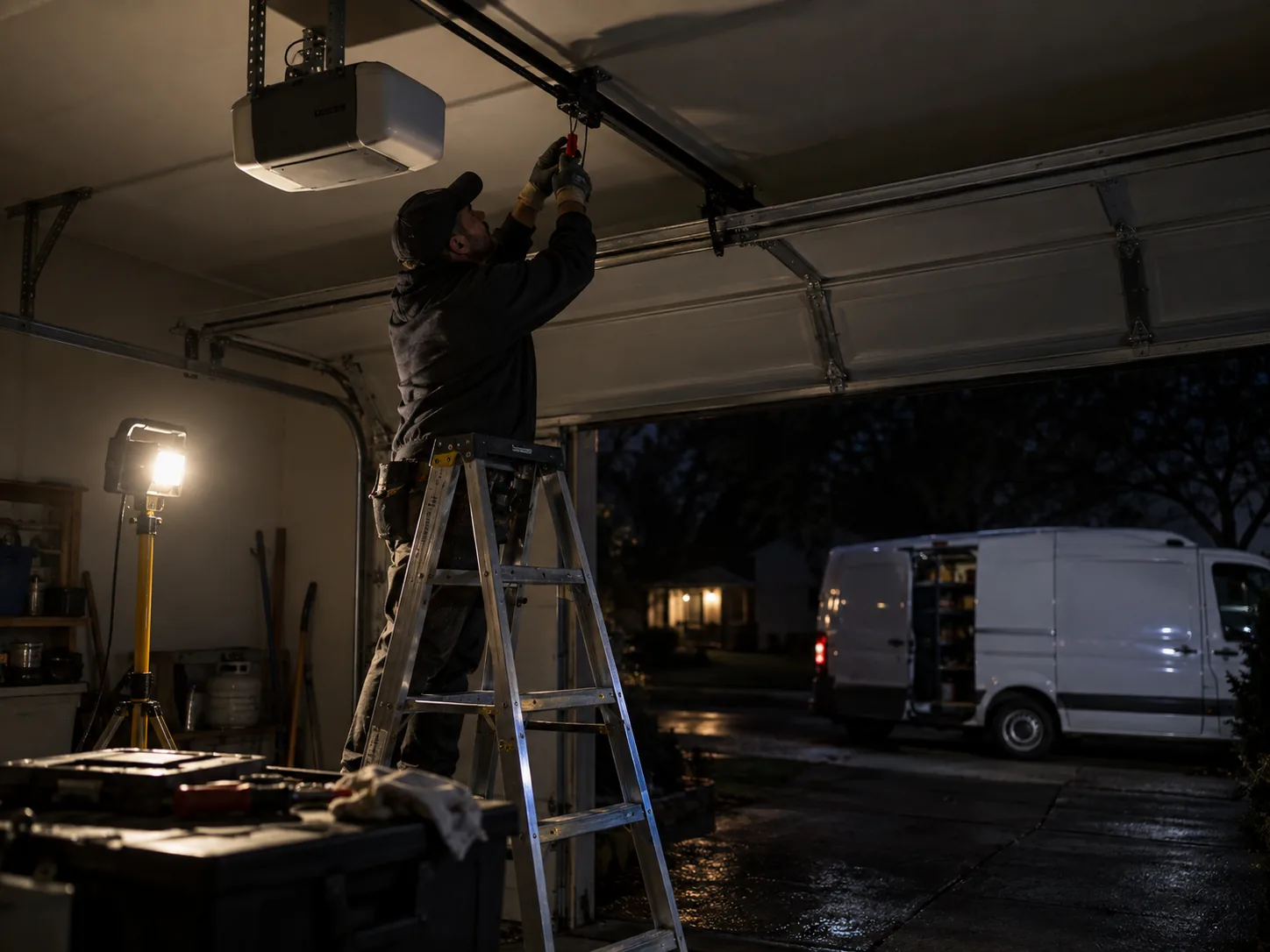
We run this call out of Austin, about 7 miles from Barton Creek, so there's no branch office around the corner and we're not going to pretend there is. What that means in practice: the truck has to cross that distance before anyone touches your door, and we'd rather tell you that up front than have you standing in the driveway wondering why nobody's local. Once the truck is on site, most jobs on Barton Creek doors move fast, because the hardware here is newer and more standard than what we run into on older Austin streets - fewer seized bolts, fewer parts that got discontinued a decade ago. The wait is the drive, not the repair. If a spring lets go on a two-car door and the door won't move at all, that's the one where timing matters most, since the car behind it is stuck too. We don't sugarcoat the mileage. We just don't let it slow down the actual work once we're there.

How Long You Are Without the Door

Watch-outs

What Can Go Wrong

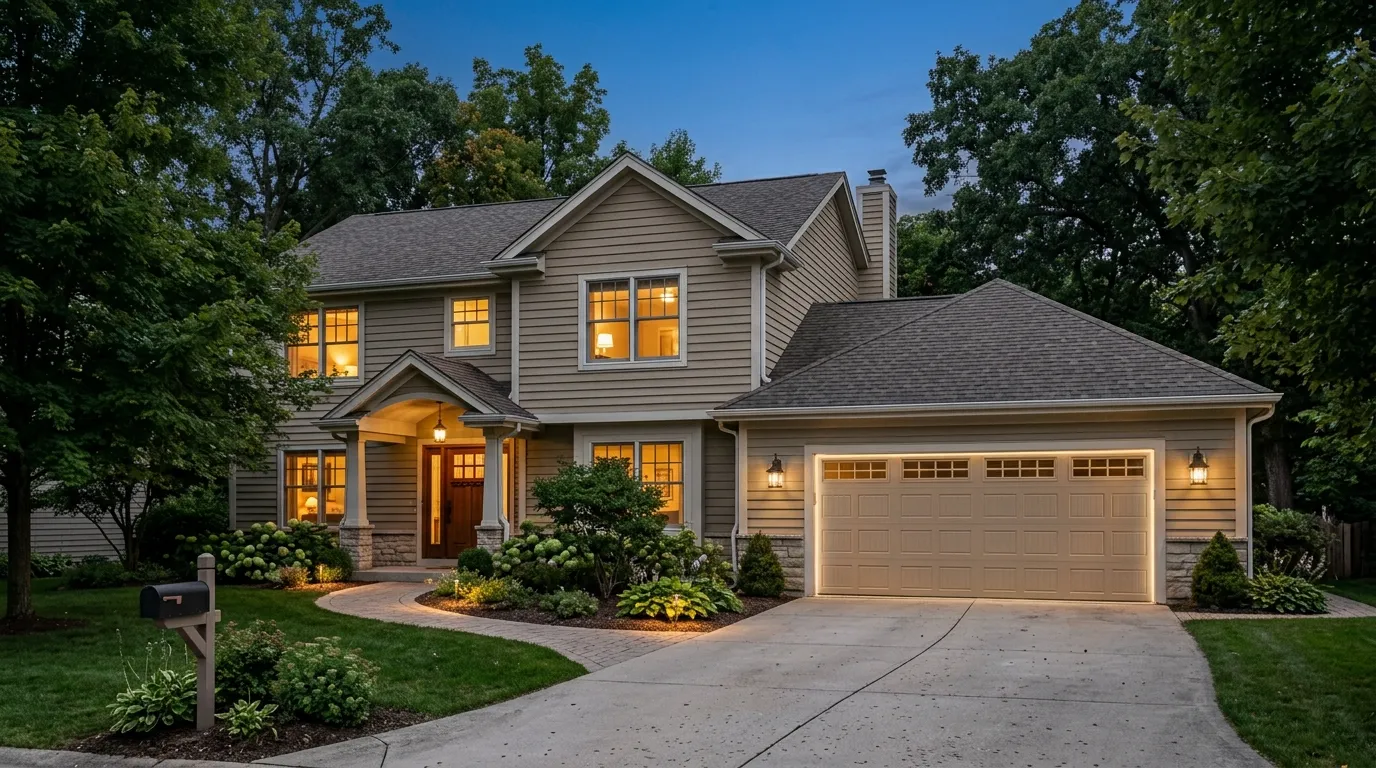
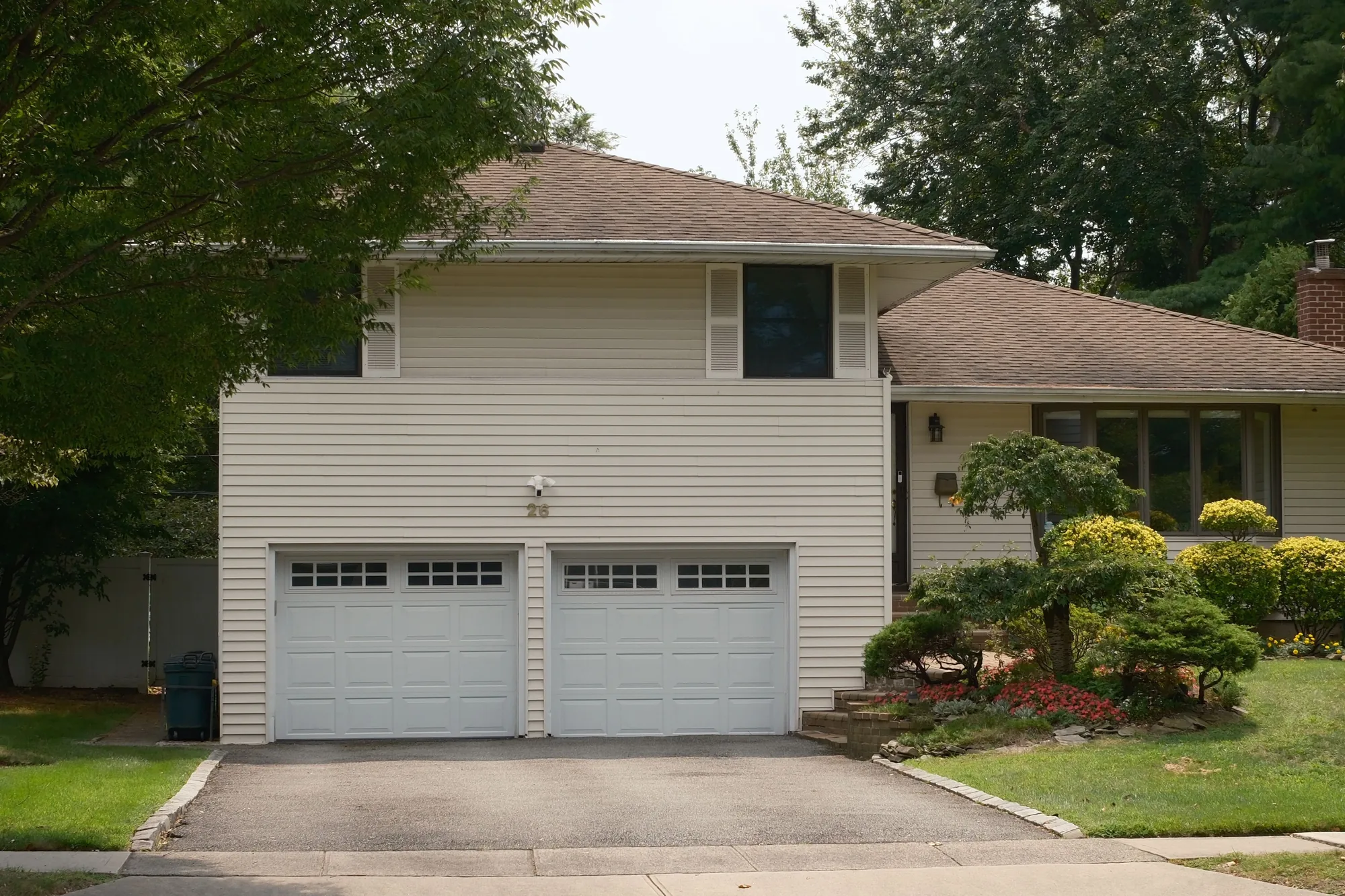
Barton Creek's housing stock runs newer than the Austin median, most of it built around 2002, well past the 1998 midpoint for the wider service area. That build era shapes exactly what fails here, and what doesn't, compared to older streets closer to central Austin.

Spring cycle-count failure

The failure we see most in this era isn't a rotted panel - it's a spring that's finally hit its cycle count, or an opener circuit board that's aged out after fifteen-plus years of Texas summers. Fewer tired one-piece doors and worn side-mount torsion setups show up here than on older streets.
Cables under heavier doors

Cables fray at the same rate everywhere, but on a heavier door - and homes at this income level tend to run heavier, insulated doors - a frayed cable lets go with more force behind it. That extra weight is the reason a cable failure here can feel more sudden than elsewhere.

Stripped opener gears

We also see gear-and-sprocket openers finally stripping their plastic gear, a part that's cheap but has to be matched to the right unit. Most of these are mid-2000s sectional doors with standard extension or torsion springs, and openers now old enough to be on their second or third logic board.

On the truck

What Is on the Truck

For a build era like this, the truck carries standard torsion springs, rollers, and opener parts sized to match what's actually installed in Barton Creek, not a guess at whatever might be needed. Here's what that means in practice, and the one limitation worth knowing about.

Standard springs & rollers

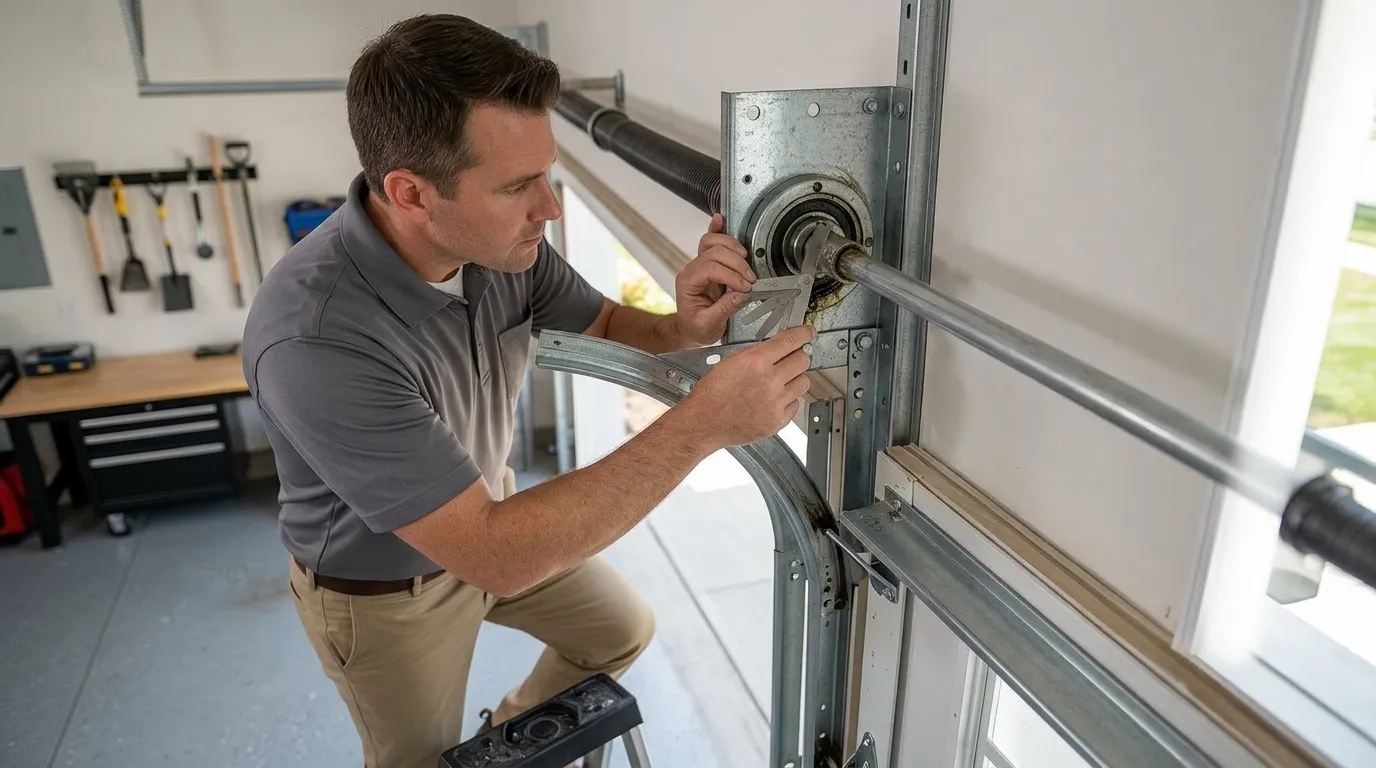
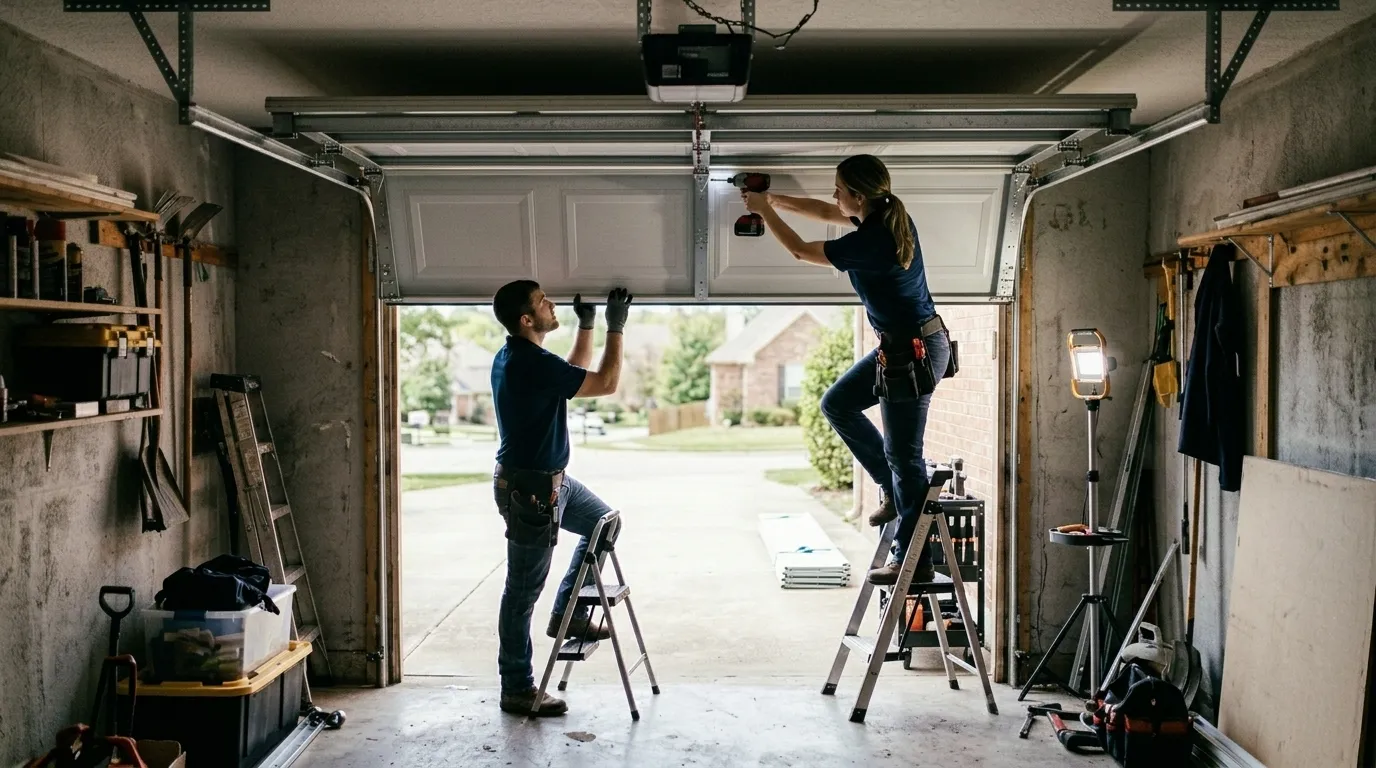
The truck carries standard torsion springs sized for a typical insulated double door, along with steel and nylon rollers, and the sensor and logic board parts that fit openers from the early-to-mid 2000s onward. That covers the bulk of what fails on doors from this build era.

Parts that actually match

We're not hunting for a spring wound to fit some odd, discontinued one-piece hardware - that's a problem on older Austin streets, not here. Barton Creek doors are largely built to specs that are still in production, so the part on the shelf usually matches the part on the door.

The control board exception

Where we sometimes have to order in is a specific opener control board if the unit is a less common brand - that's a real limitation. If your opener needs a board we don't stock, we'll tell you the lead time instead of guessing at how long it'll take.

Why This Fails Locally

Local causes

Why This Fails Locally

Climate here runs moderate heat rather than extreme, so we're not chasing the kind of daily thermal cycling that cracks panels on doors baking against direct summer sun for ten-plus hours. What we are chasing is straightforward mechanical wear on doors that have now put in fifteen to twenty years of daily cycles - spring fatigue, worn rollers, opener boards reaching the end of their service life. With household income in Barton Creek running well above the wider service area, the doors installed in the early 2000s tend to be heavier, better-insulated units, which means the springs doing the lifting work harder over the door's life and show wear on a fairly predictable schedule rather than failing early from cheap components.

Warning signs

What You Are Seeing

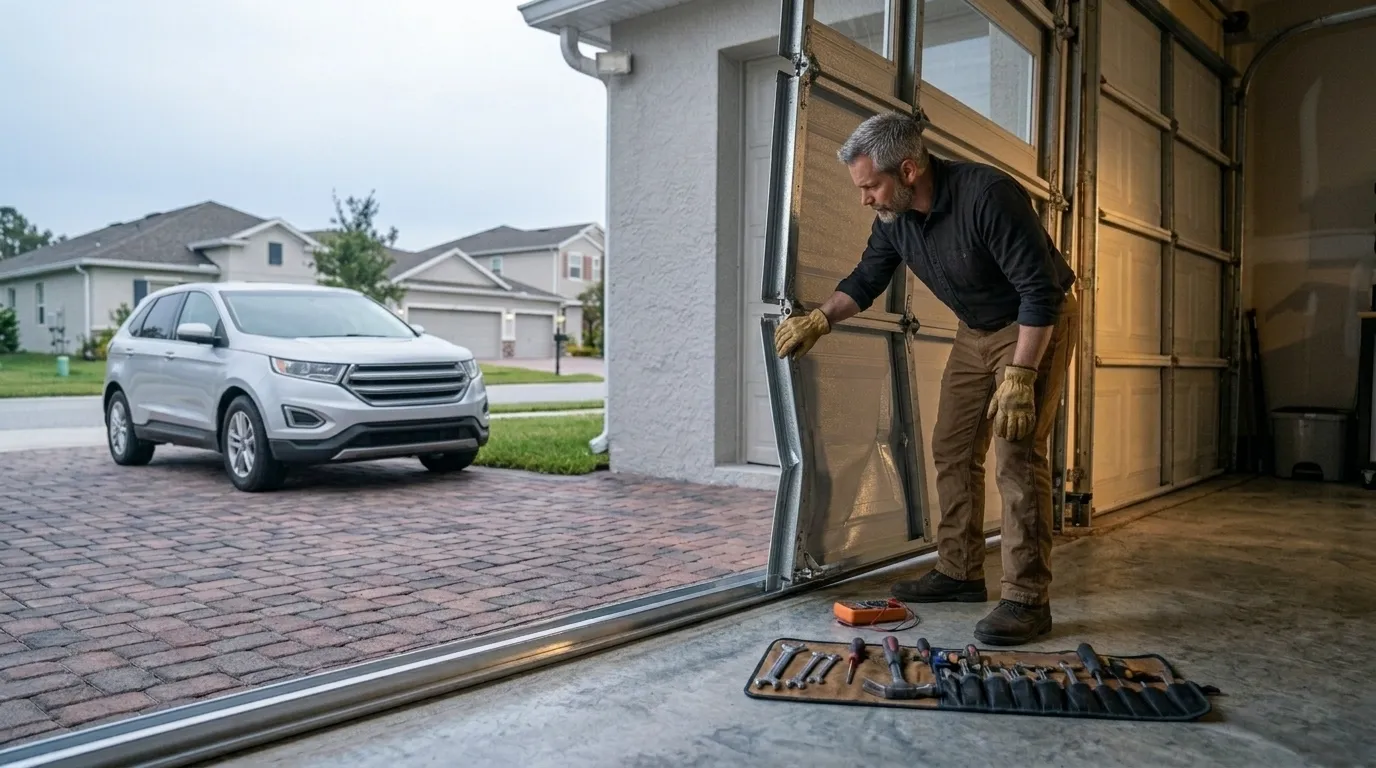
If the door is a 2002-era sectional and it's suddenly heavy to lift by hand, or the opener strains and reverses partway up, that's usually spring fatigue rather than a motor problem. Here's how to read a few of the most common signs before you call it in.

Heavy to lift by hand

If the door is a 2002-era sectional and it's suddenly heavy to lift by hand, or the opener strains and reverses partway up, that's usually spring fatigue, not a motor problem - the motor is just trying to do a job the spring used to help with.

Shuddering on one side

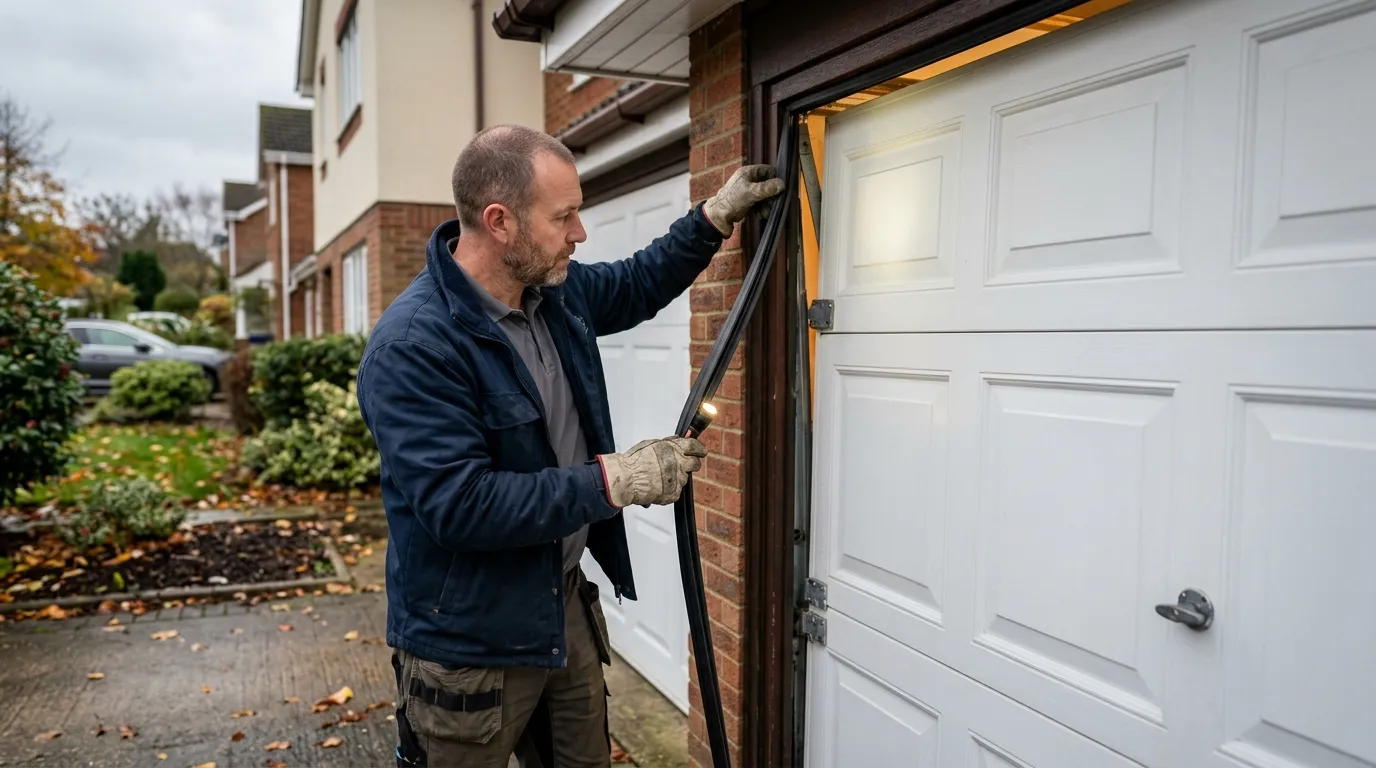
A door that shudders on one side going up often means a roller's worn out of round or a cable has stretched unevenly, rather than a spring problem across the whole door. It's usually a localized fix rather than a full hardware replacement.

Blink codes & floor reversal

If the opener light blinks a set number of times before it stops, that's a diagnostic code most boards from this era support - worth noting the count before you call, since it saves a step. A door that reverses right at the floor almost every time points at the close-limit setting or a slightly misaligned sensor, not a broken part.

DIY or pro

Doing It Yourself

Realigning a photo-eye sensor, tightening loose track bolts, and lubricating hinges and rollers are all reasonable DIY jobs on a door this age, and they'll buy real time before anything serious fails. Here's where that DIY line sits, and where it's worth calling instead.

  1. Realign the sensor & tighten bolts

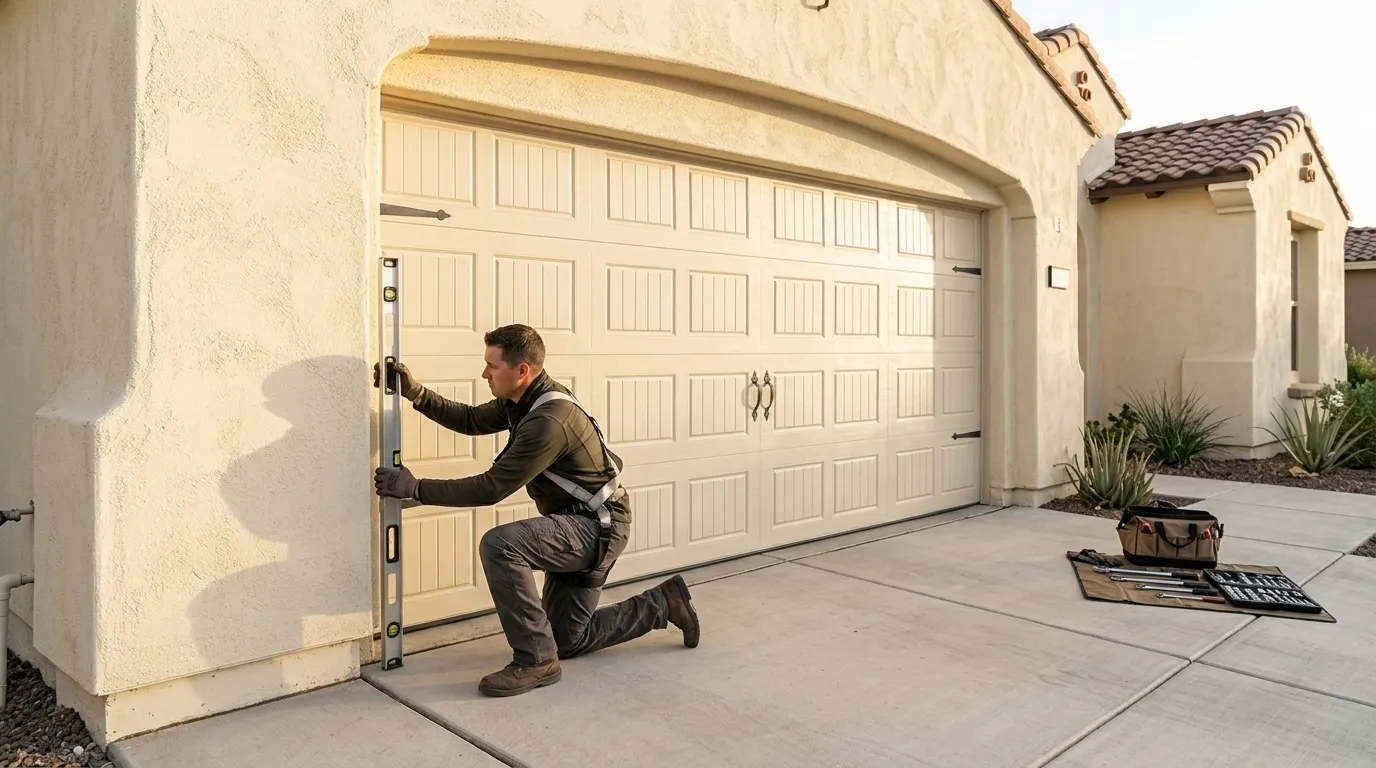
    Realigning a photo-eye sensor, tightening loose track bolts, and lubricating hinges and rollers are all reasonable DIY jobs on a door this age. Together they'll buy you real time before anything serious fails, and none of them require special tools.

  2. Leave the torsion spring alone

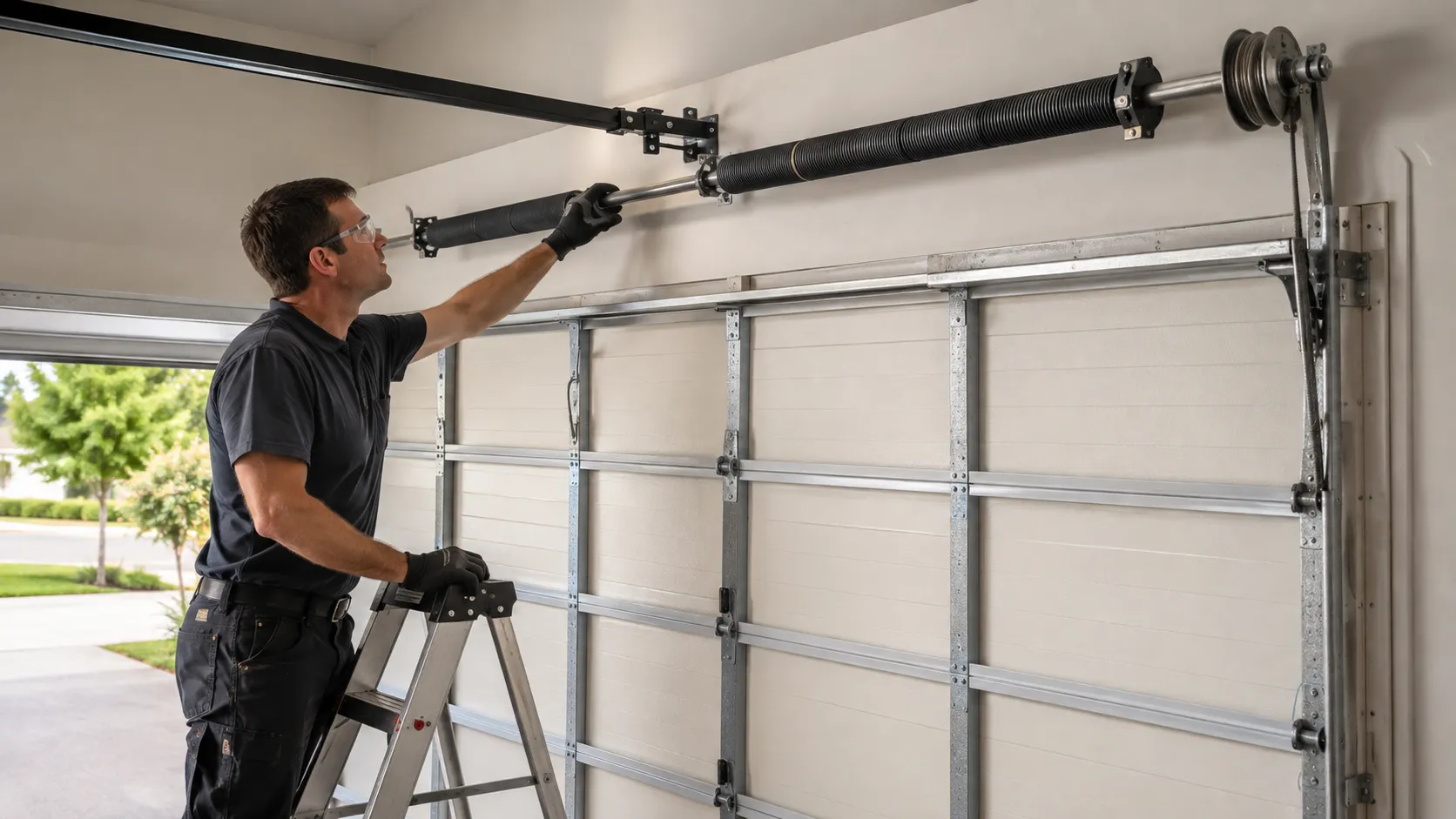
    What's not worth doing yourself is touching a torsion spring - the ones sized for a heavier insulated door carry enough stored force to cause a serious injury. It's genuinely not a job where a mistake is minor, no matter how confident you feel with a wrench.

  3. Don't swap the opener board blind

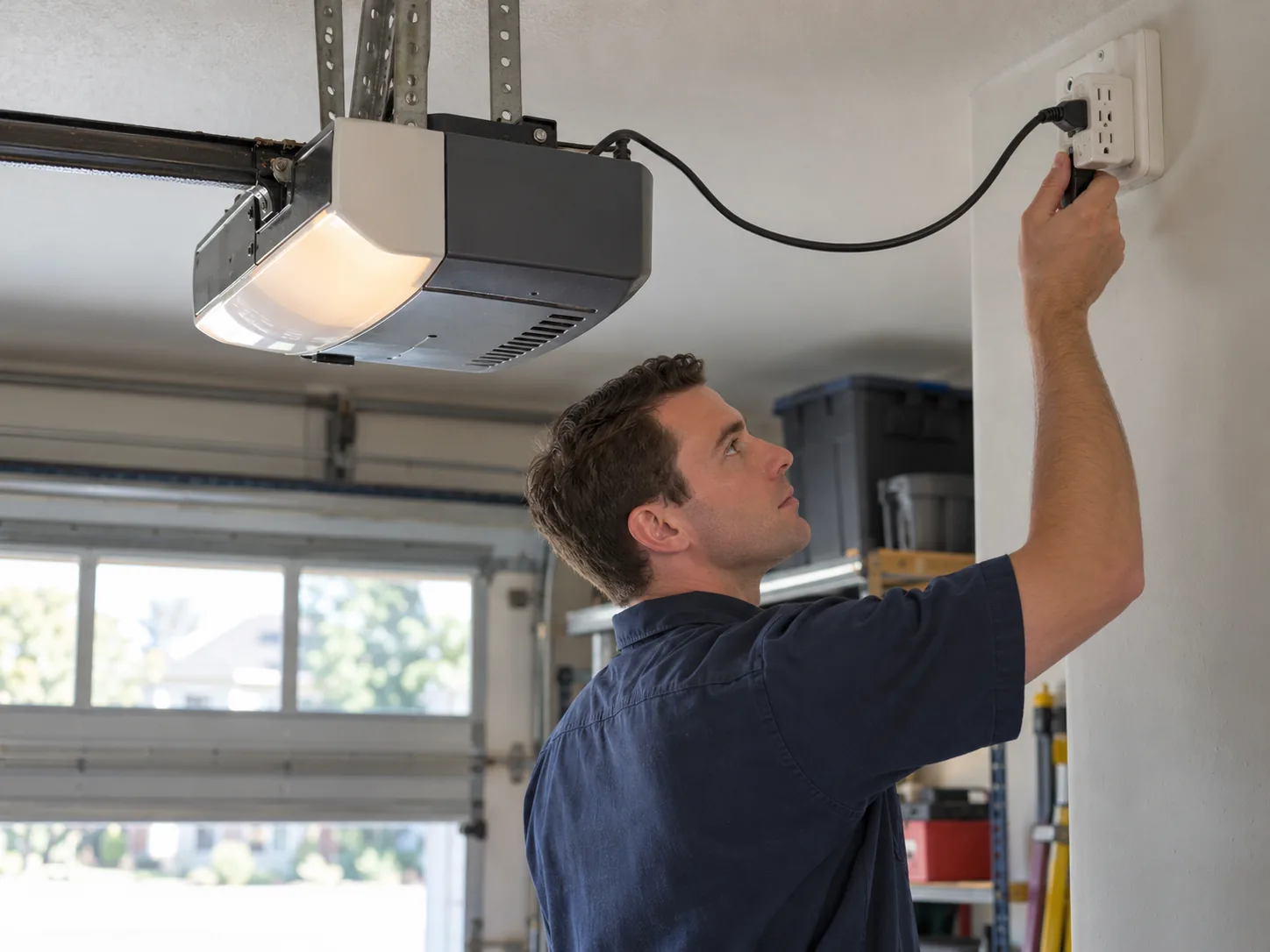
    If the opener board itself is throwing error codes, swapping it yourself without knowing the exact model can void whatever's left of a warranty. A mismatched board can also cause new problems that are harder to diagnose than the original fault.

  4. Call when spring tension is involved

    Our honest advice: if the fix involves anything under spring tension, call it in rather than working it out with a socket wrench in the driveway. That's the one line we'd draw for any homeowner, regardless of how mechanically confident they are.

Questions

Common questions

Why does the truck come from Austin instead of somewhere closer to Barton Creek?

We're based in Austin, about 7 miles out, and we don't run a separate branch in Barton Creek. We'd rather tell you that plainly than pretend otherwise. It doesn't slow down the repair once we're on site - it just means factor in drive time when you're planning around the visit.

Are Barton Creek garage doors different from older Austin homes?

Yes. Most Barton Creek homes were built around 2002, later than the roughly 1998 median across the wider service area, so the doors and openers tend to be standard sectional units with common torsion hardware rather than the older one-piece doors and odd side-mount springs found in older Austin housing stock.

What's the most common repair call in this area?

Spring fatigue and aging opener circuit boards. Doors from this era are commonly insulated and on the heavier side, so torsion springs do more work over the door's life and wear on a fairly predictable schedule as they approach fifteen to twenty years of use.

Should I try to fix a broken spring myself?

No. A torsion spring sized for a heavier insulated door holds enough force to cause serious injury if it's released wrong. Sensor alignment, lubrication, and loose bolts are fine to handle yourself - the spring itself isn't.

Ready when you are

Need a garage door sorted in Austin?

Austin Garage Door Guys repairs and installs garage doors, springs and openers in Austin, TX and the surrounding area.

CallGet a quote