Why This Fails Locally
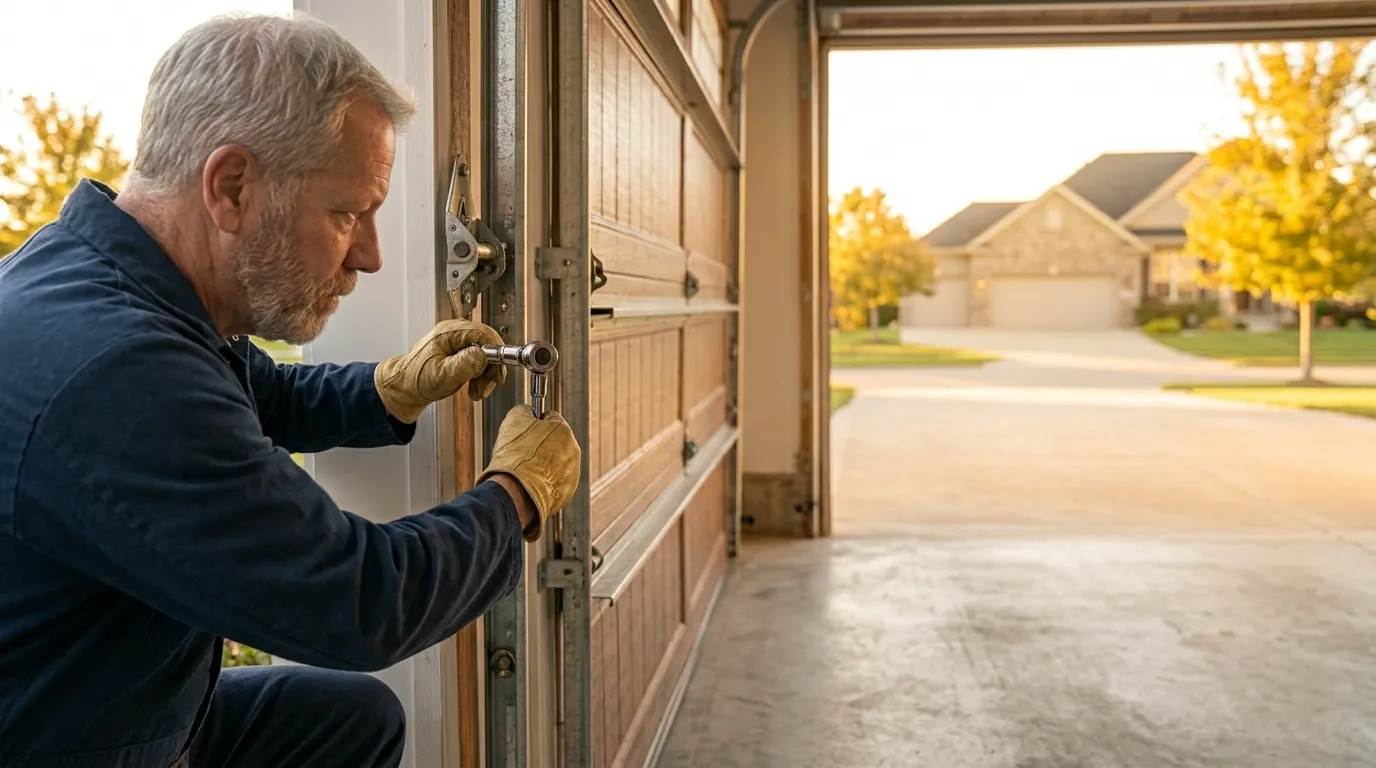
Austin's housing stock is mostly 1980s and 90s construction, and a lot of it still runs the original torsion spring and rail hardware that came with the house. That hardware wasn't built for a 30-plus year service life outdoors in a moderate-heat climate band, and it shows. Steel expands under sustained heat and contracts overnight, and that cycle, repeated across a few thousand days, is what fatigues a torsion spring's coil and loosens track bolts nobody's touched since the house was built. In neighborhoods like Allandale, Brentwood, and St. Johns, where a lot of the original garage hardware from that era is still in place, that's the fault we see most: not a dramatic failure, just metal that's done its job for decades and quit.
This isn't a defect story - it's a math one. A spring rated for a certain number of cycles under stable indoor temperatures gets a shorter real life once it's flexing through Austin's seasonal heat swing every single day for 20-plus years.
What You Are Seeing
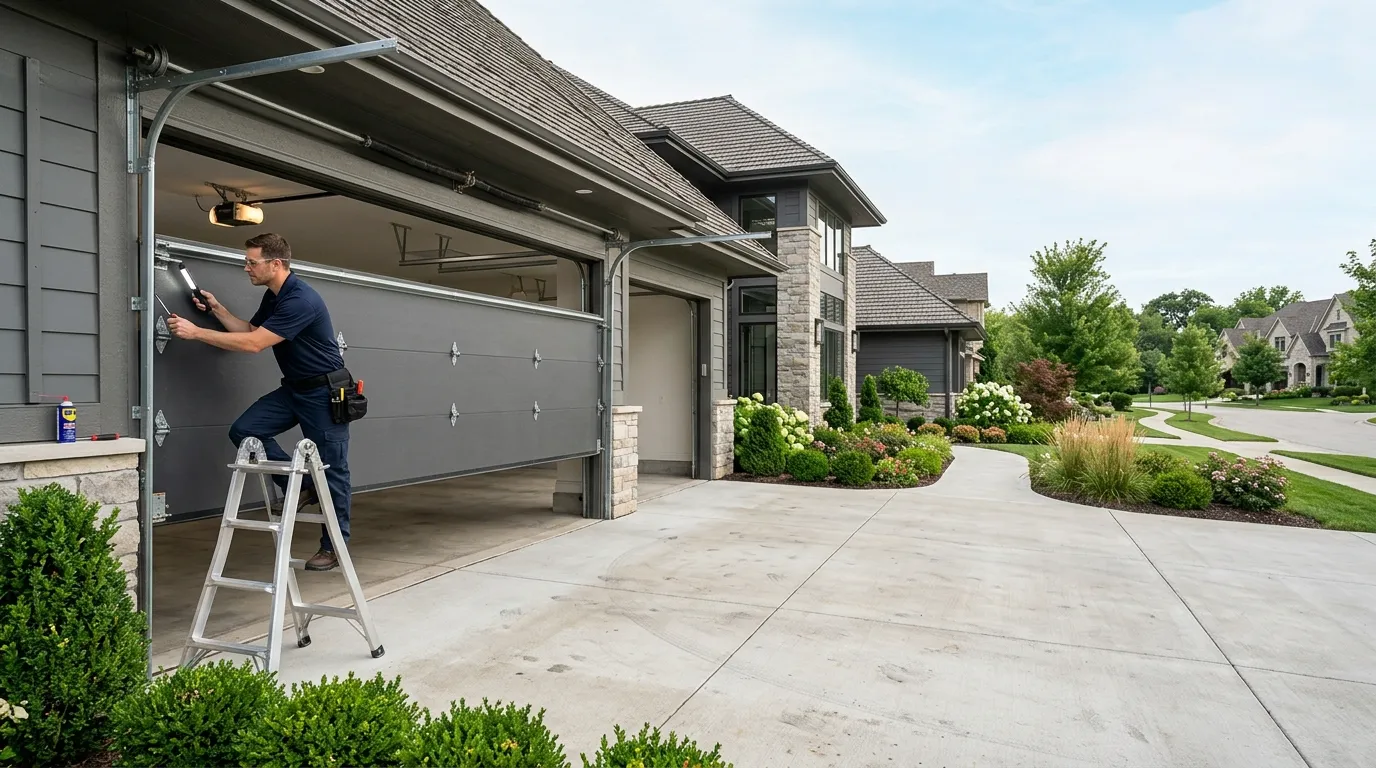
The classic version: the door won't budge, or it lurches up a few inches and stops. That's almost always a torsion spring that's lost its tension - the opener isn't broken, it's just not strong enough to lift the door alone once the spring stops doing its share. On older extension-spring setups, common in some of the 1980s-built sections of the service area, you'll instead hear a loud bang from the garage before the door goes dead, which is the spring itself snapping.
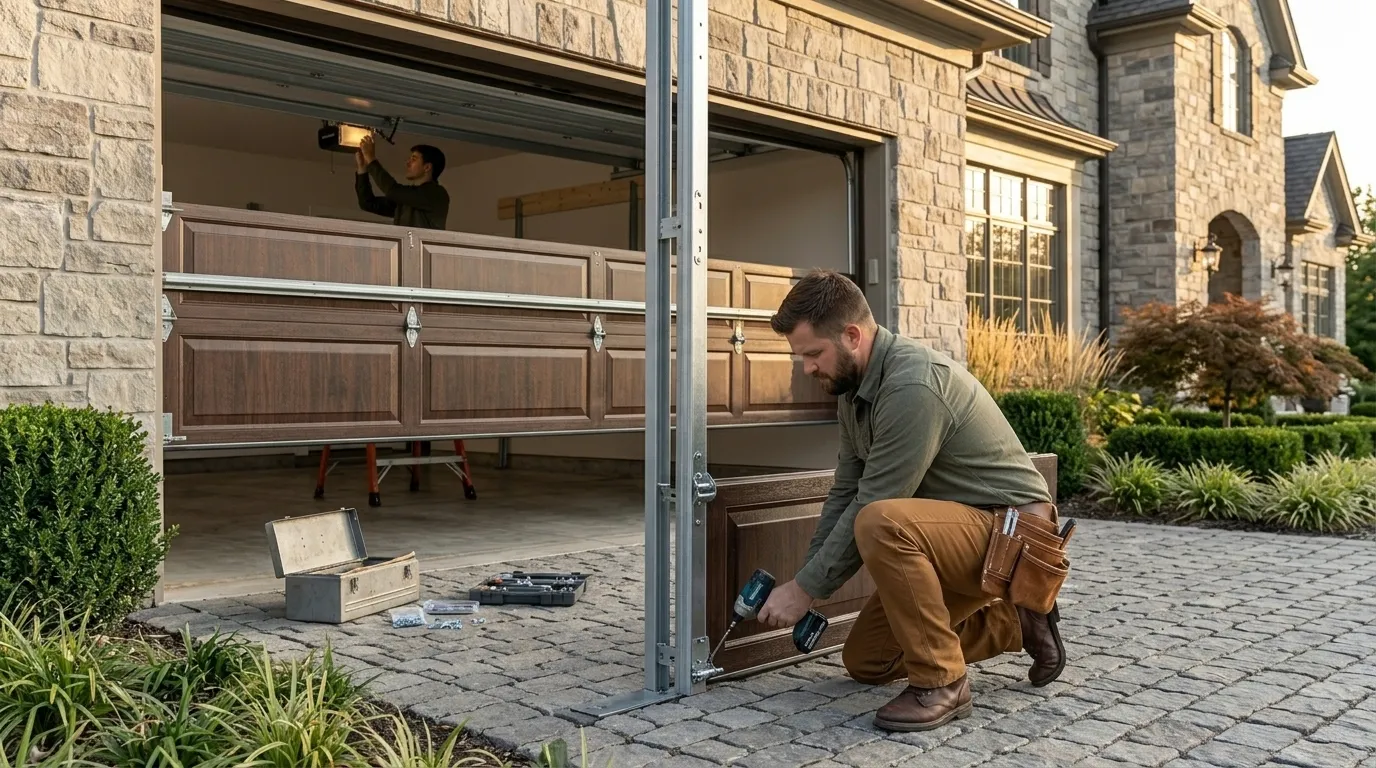
A second pattern, more common on the newer end of that 1980-2014 build range, is a door that runs rough on the track - grinding, catching, or drifting off one rail. That's usually track bolts that have worked loose over years of thermal cycling rather than a bent rail, though a bent rail from age or a bump does happen too. Either way, both faults trace back to the same root cause: original hardware, decades of heat cycling, no dramatic single event to blame.