Houses on These Streets
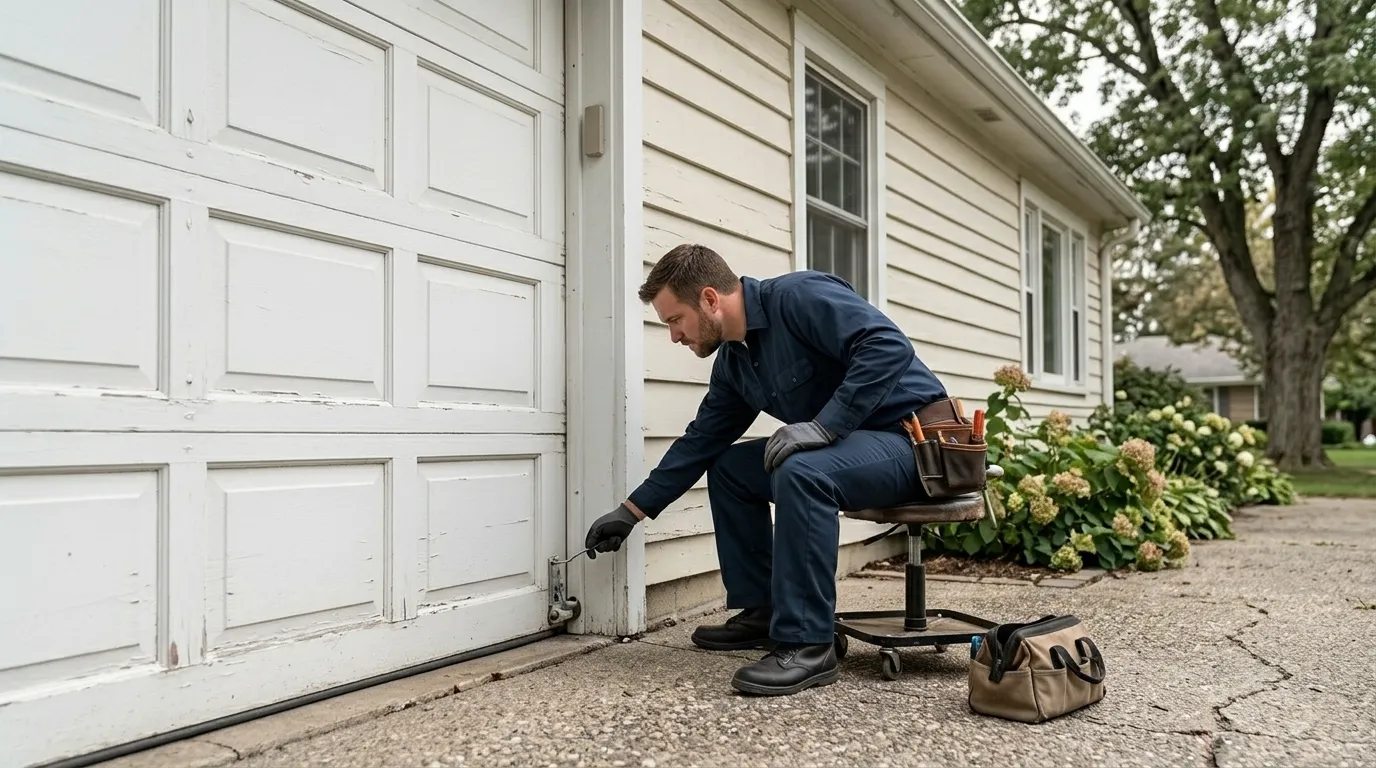
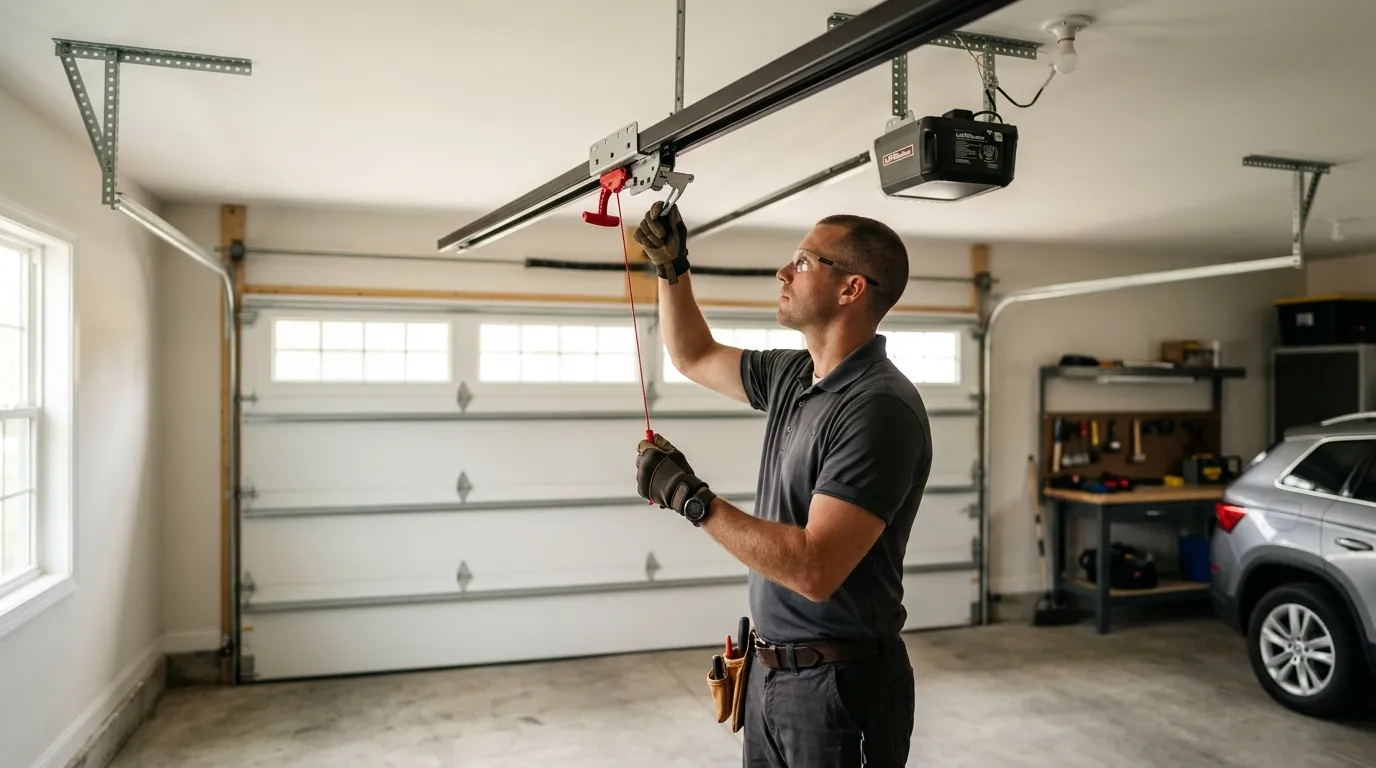
Most of the doors we'd expect to find in East Oak Hill went in during that 1980-2014 stretch, which puts a lot of them squarely in the zone where torsion springs are due or overdue. A torsion spring is rated for a number of open-close cycles, not years, but a spring installed in 1998 has usually seen enough cycles by now that it's a matter of when, not if. Openers from that era are a mixed bag - some houses have already had a chain-drive unit replaced once, others are still running the original motor and gears, which means noisier operation and slower response to the wall button. Austin's climate here is moderate on the heat side rather than extreme, so we don't see the kind of thermal cycling that cracks panels the way some regions do; wear on doors in this area comes more from age and use than from weather beating on the hardware. Household income in the broader Austin service area runs a median around $121,750, and across the wider area there are roughly 41,792 owner-occupied houses among 73,657 households - context for why full-door replacement is a common call alongside spring and opener repair, not just a repair-only market.
Getting Someone Out to See It
We cover East Oak Hill as part of the greater Austin service area, and a house seven miles southwest of the center is well within normal reach for a truck. One limitation worth naming up front: on older doors from the 1990s build wave, matching an exact panel color or discontinued style can take longer than the repair itself, since we don't stock every legacy finish. If your door is original to a house built in that window, expect the visit to start with an honest look at whether it's a spring and hardware fix or a case where the door itself is past the point of being worth patching. You can reach us through the site to get that conversation started.