Houses on These Streets
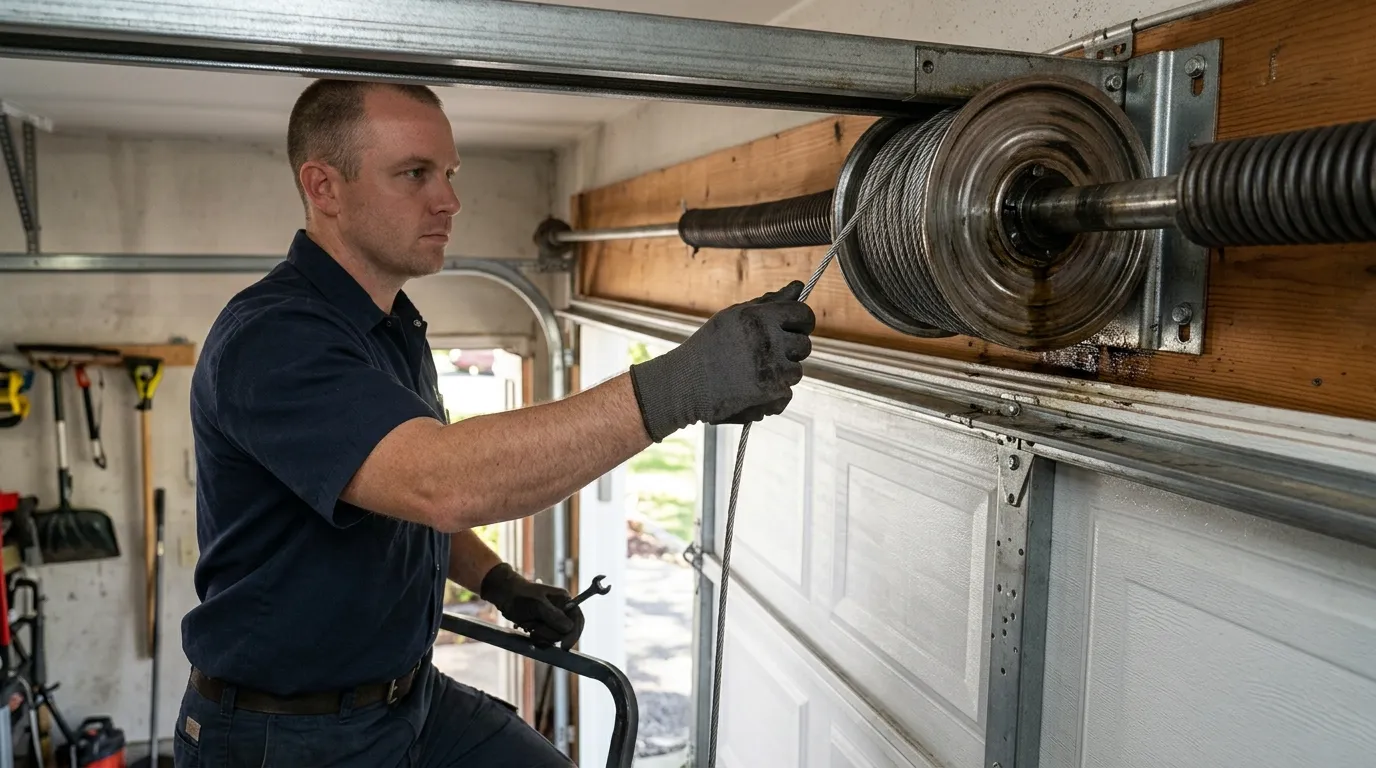
Without specific addresses to point to, what we can say is general to the era: houses built in the 1980s and 90s around Bouldin Creek typically shipped with steel sectional doors on standard torsion springs, single opener units rated for a few thousand cycles, and galvanized track that wasn't built for a lifetime - closer to 15 to 20 years of daily use before rollers and hinges start showing wear. If your door hasn't been touched since the house was built, you're likely running on original springs well past their rated cycle count.
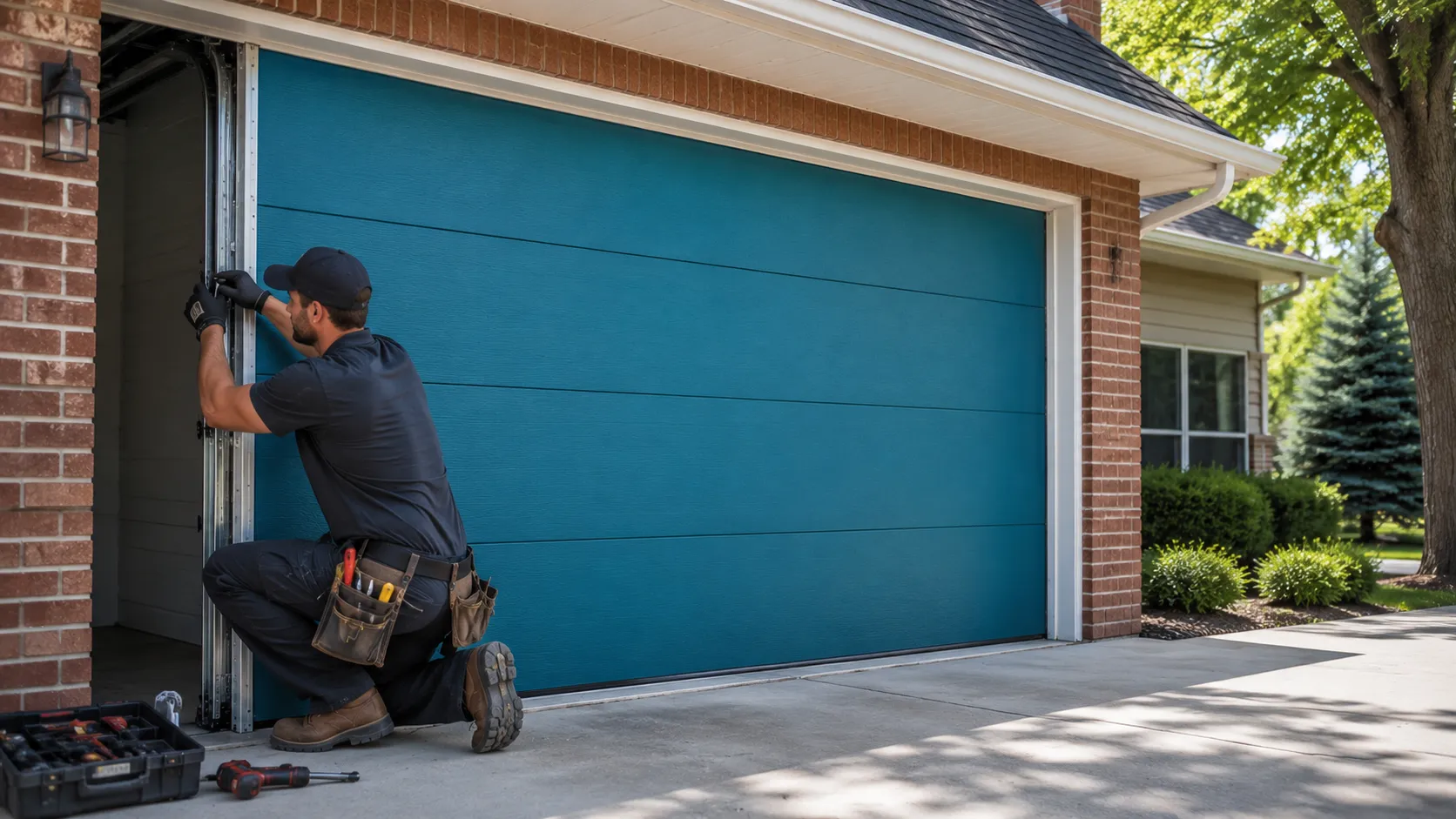
Garages from that period were also usually built single or two-car, sized to the standard dimensions of the time, which is worth knowing if you're shopping for a replacement door rather than a repair - a wider aftermarket door may need bracket or track modification to fit an opening that predates today's standard widths.
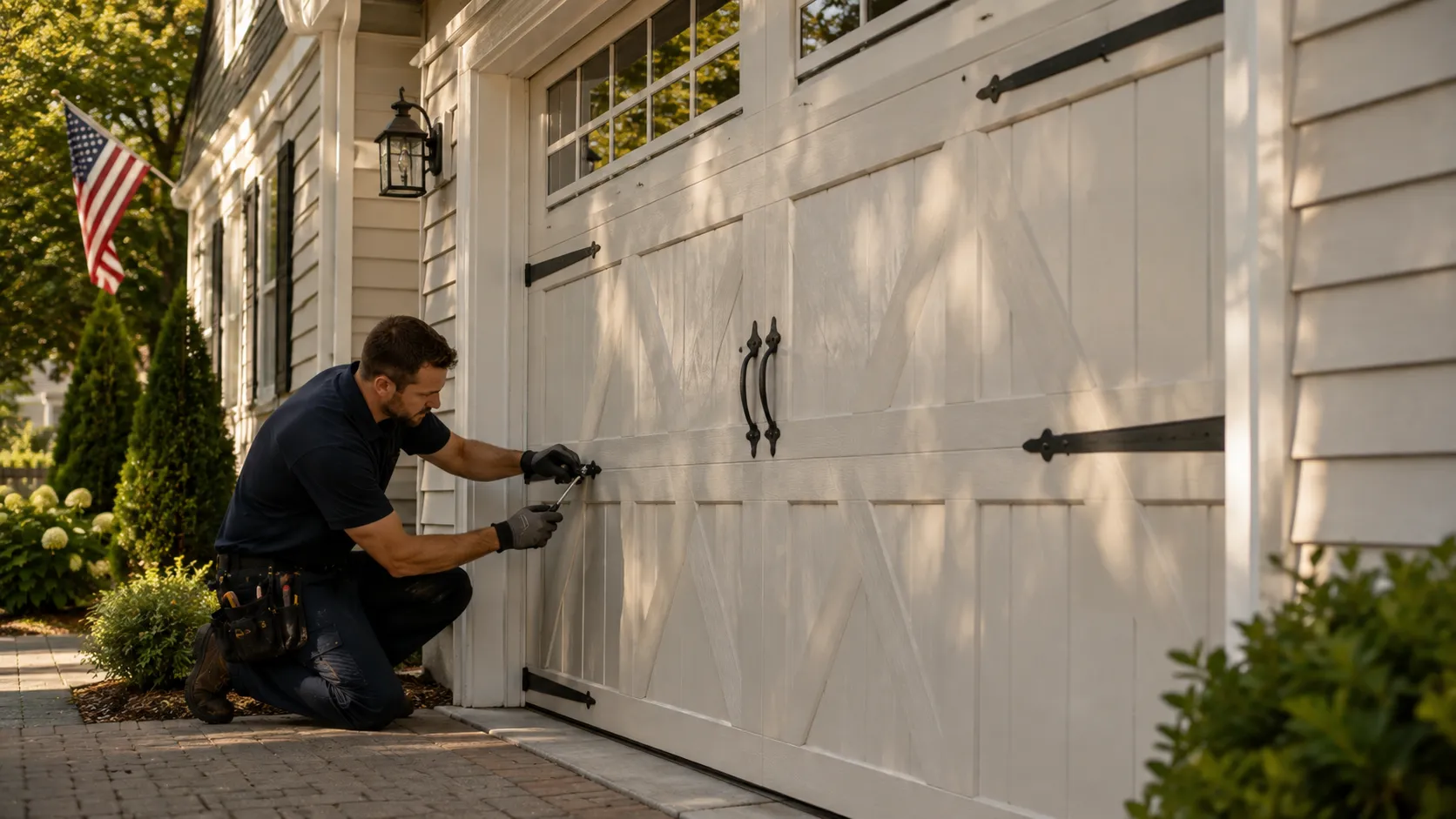
The income level in the broader Austin service area (median household income around $121,750) tends to correlate with owners who replace rather than patch once a door starts causing repeated problems, which is worth mentioning honestly: sometimes a repair is the right call, and sometimes a 30-year-old door with a cracked panel and a tired opener is cheaper to replace outright than to keep nursing along.
Getting Someone Out to See It
Being 3 miles from downtown Austin, Bouldin Creek is a short drive for us, which keeps scheduling straightforward. Call and describe what's happening - door won't open, spring snapped, opener grinding, panel dented - and we can usually tell you over the phone whether it sounds like a same-visit fix or something that needs a part ordered first.
One honest limitation: if you need an unusual replacement part for an older or discontinued opener model, that can mean a short wait while it's sourced, rather than a same-day fix. We'd rather tell you that upfront than promise a turnaround we can't back up.
For most torsion spring and cable jobs on a standard residential door, though, it's a single visit.