Houses on These Streets
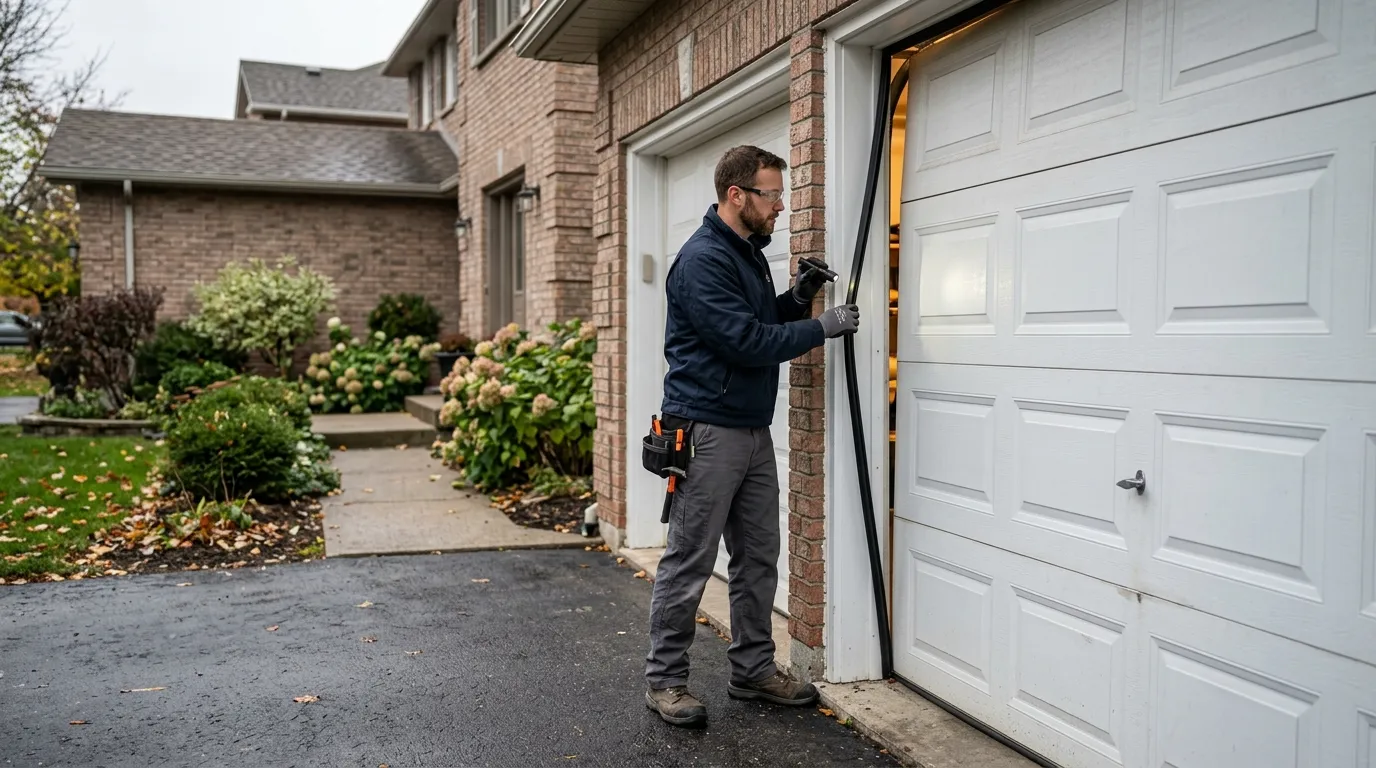
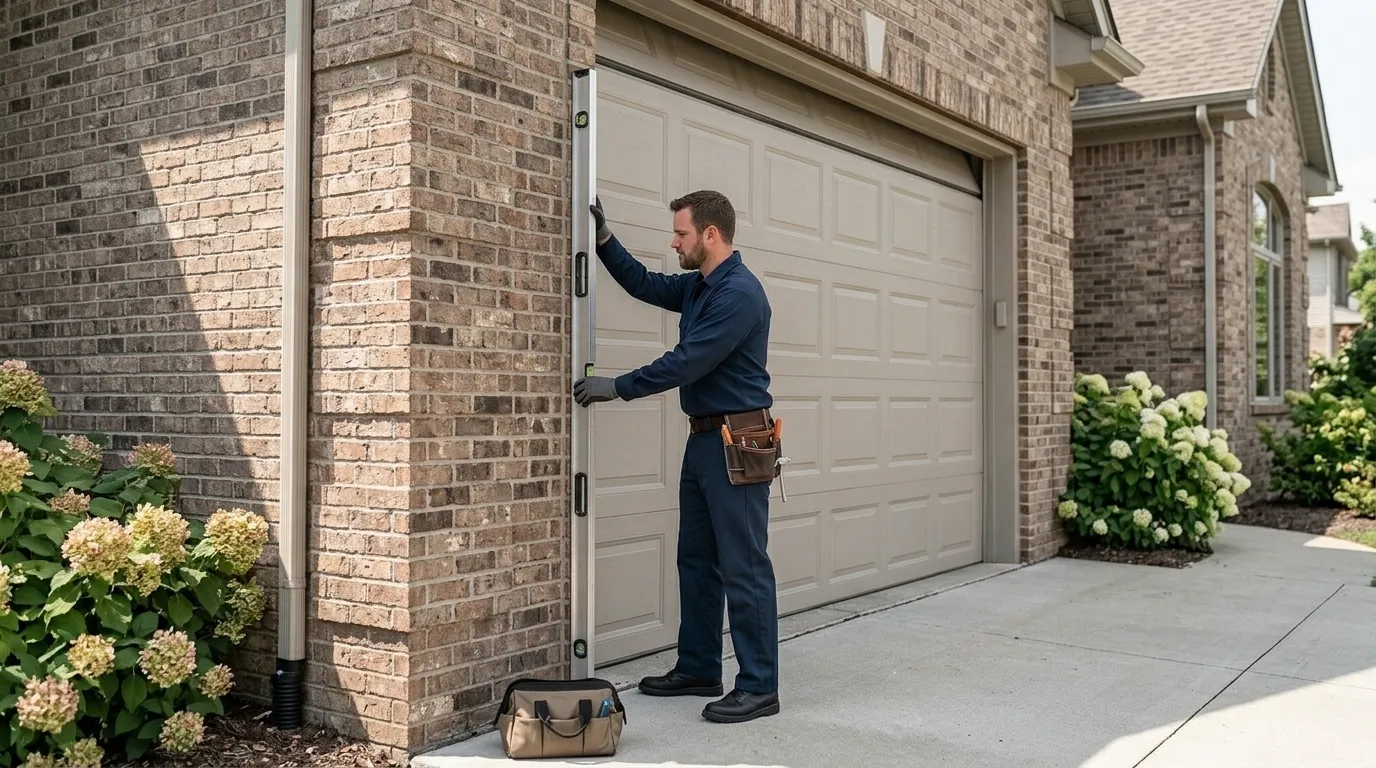
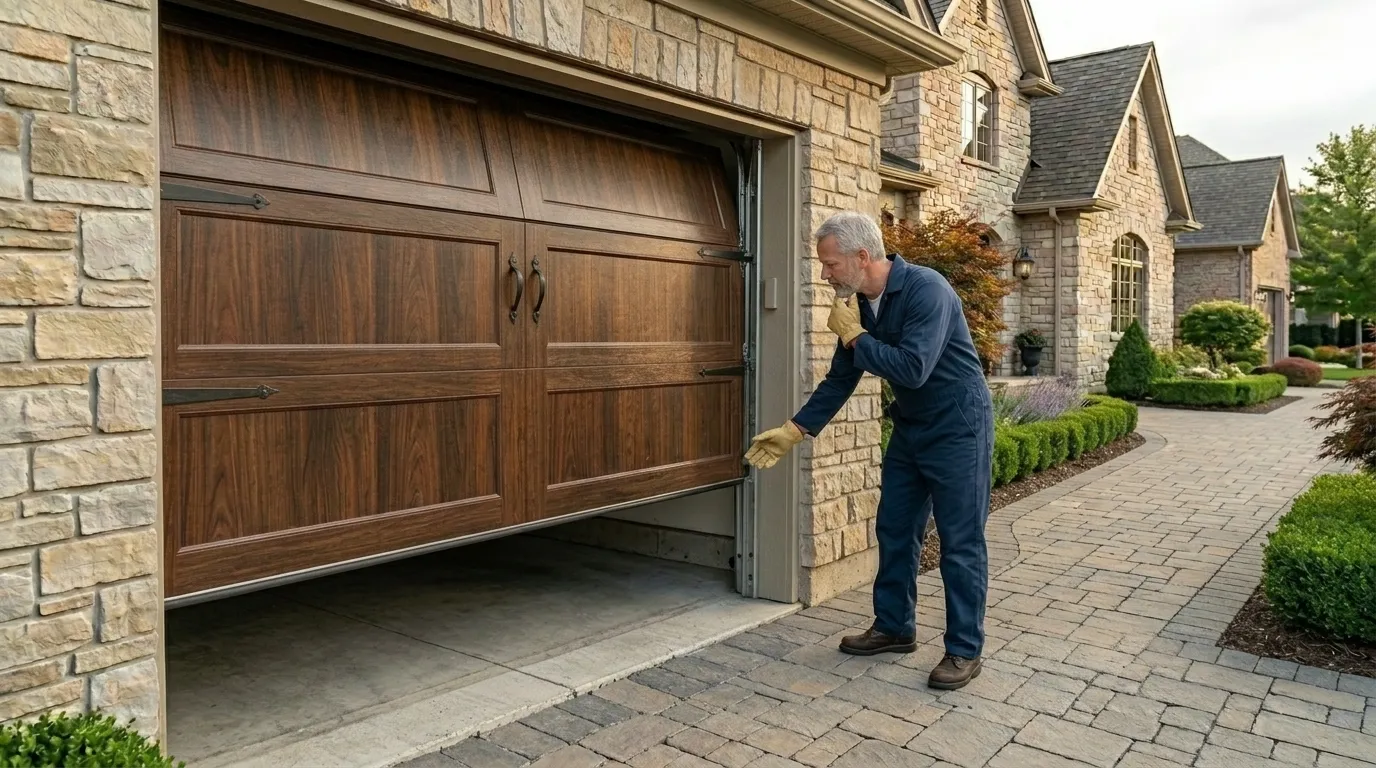
Without street-level detail for Greater South River City, we're going by the housing era that covers this stretch of Austin: construction concentrated between 1980 and 2014, median build year around 1998. That puts most garages here on 7-foot or 8-foot steel sectional doors, torsion spring setups, and openers that have likely been replaced at least once.
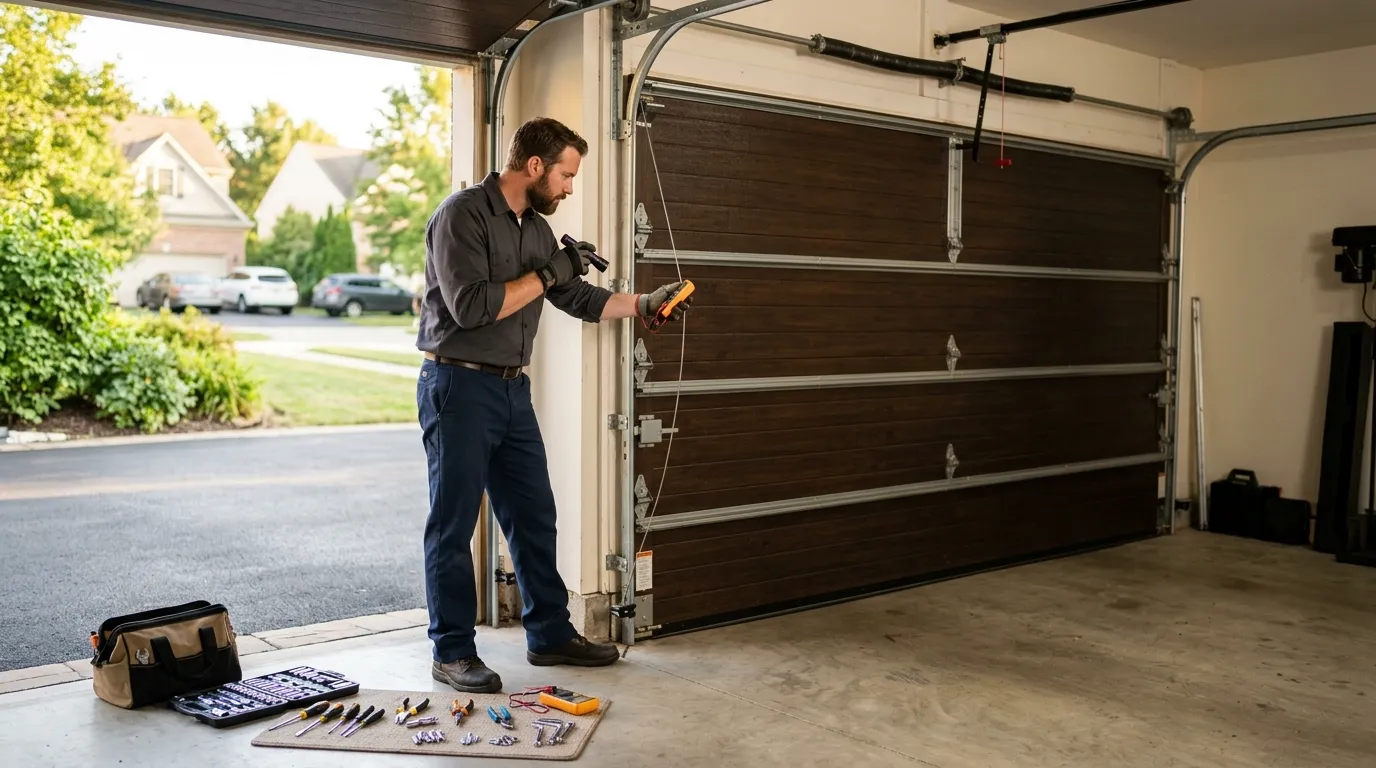
The area's climate band is moderate heat, not extreme, so we don't see the spring and cable failures from thermal swing that you'd get in a harsher zone. What we do see is ordinary wear: springs that have hit their cycle limit, rollers that have gone from nylon to metal-on-metal, and openers with drive gears worn down from age rather than heat stress.
Median household income for the broader service area runs around $121,750, and homeownership is common across the surrounding neighborhoods. That combination tends to mean owners replace rather than patch once a door starts costing more in service calls than a new opener would cost outright. We'll tell you honestly which side of that line your door is on rather than push a repair that won't hold.
Getting Someone Out to See It
We work Greater South River City as part of our coverage of the Austin core, including the neighborhoods immediately around it like Bouldin Creek and Zilker. Call and describe what's happening with the door, and we'll tell you whether it sounds like a same-visit fix or something we need to look at before quoting.
One limitation worth saying plainly: if your door or opener is an unusual size or an older discontinued model, parts can take longer to source than the repair itself takes to do. We'd rather tell you that up front than have you wait on a truck that shows up with the wrong spring.
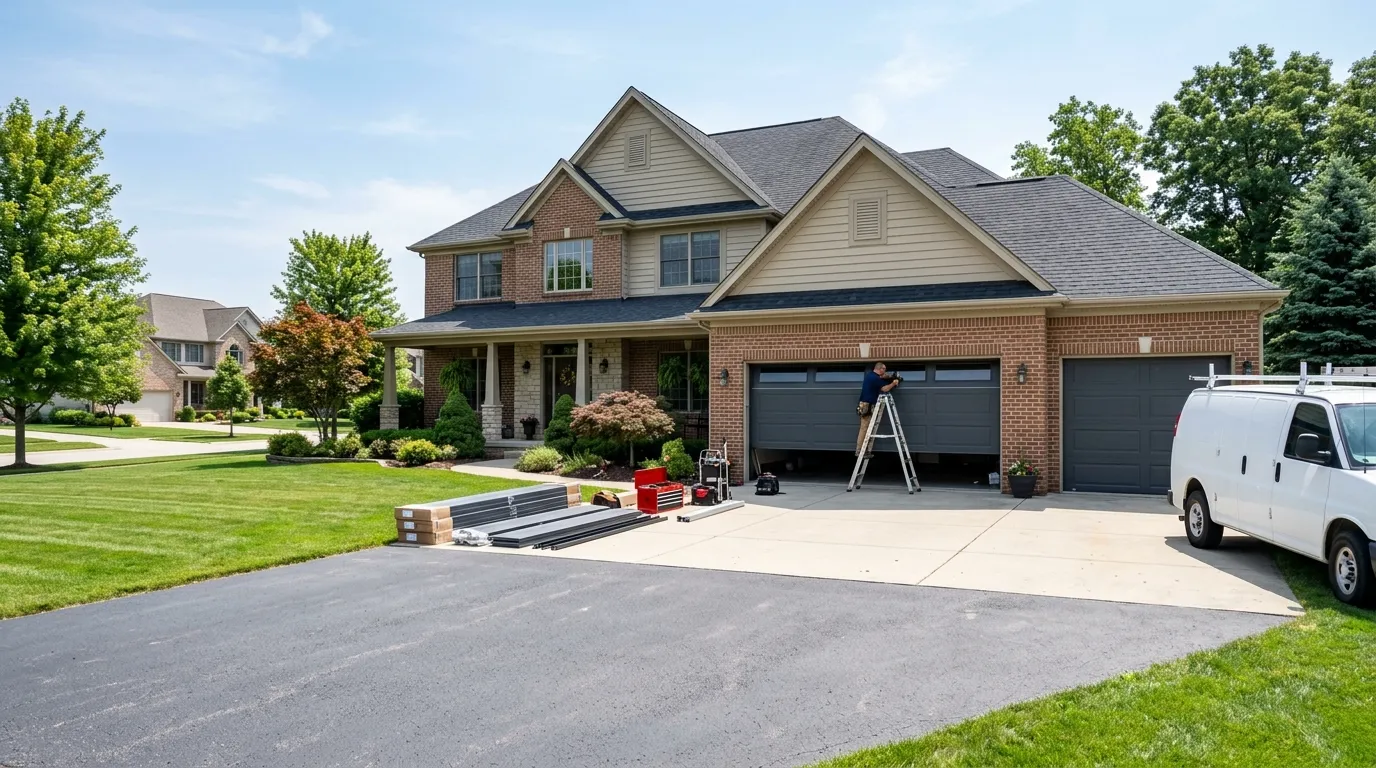
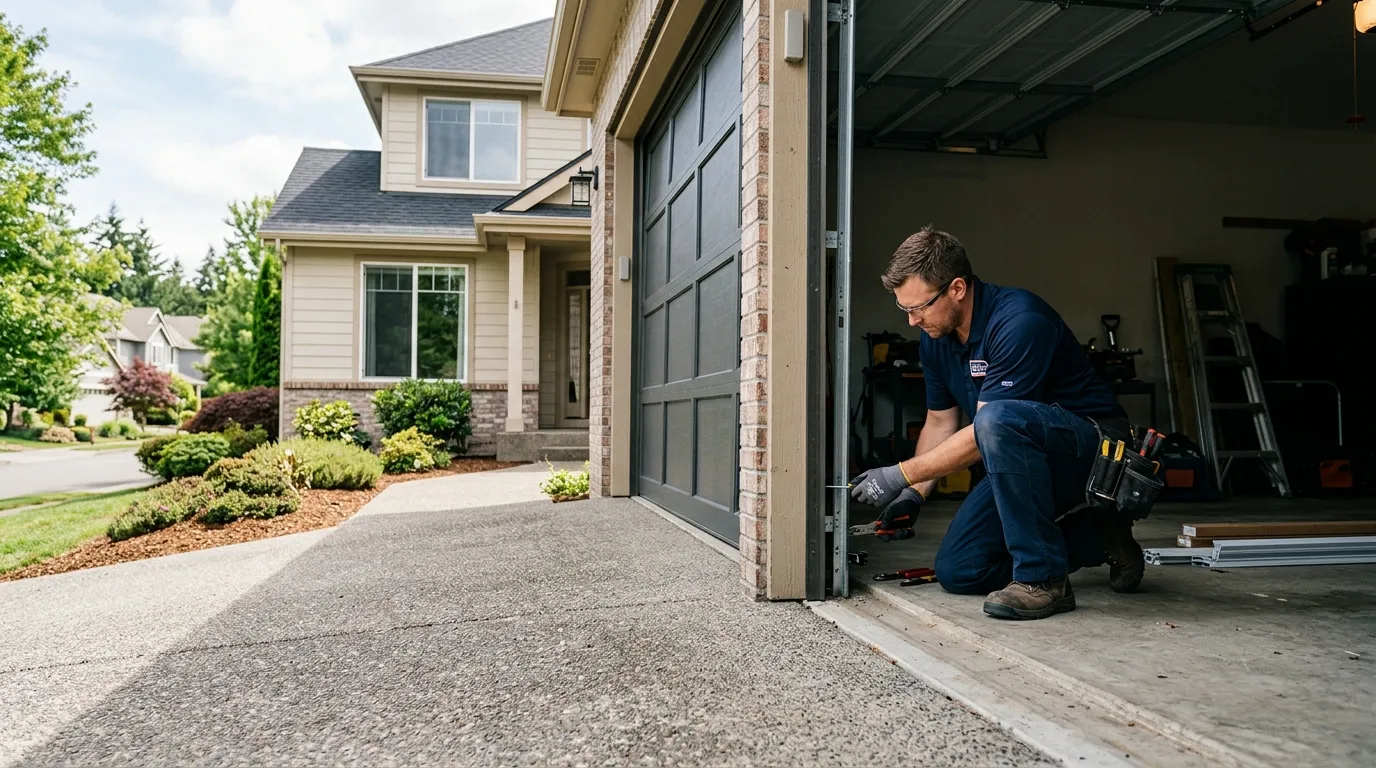
For most 1990s and 2000s-era doors in this part of Austin, we're carrying standard torsion springs and common opener parts on the truck already, so a lot of calls close out in one visit.