Houses on These Streets
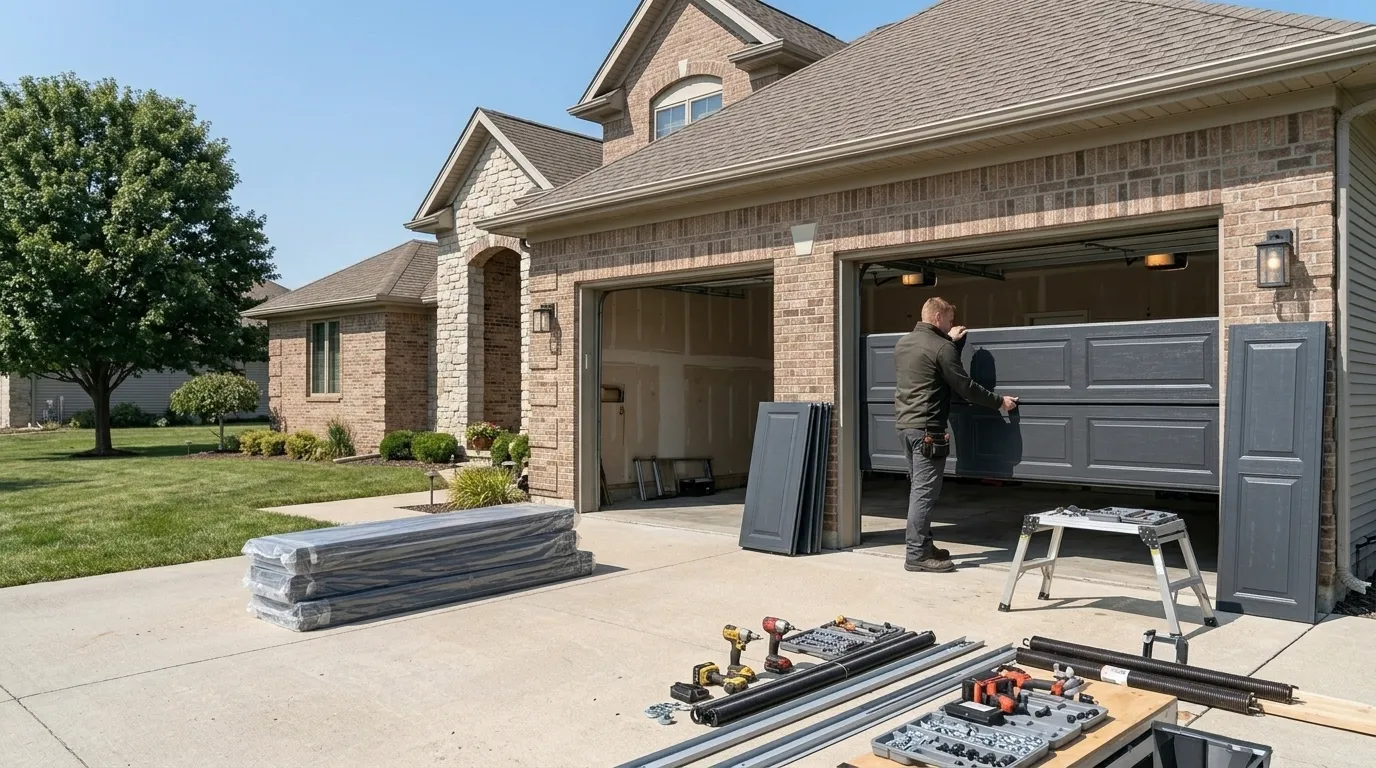
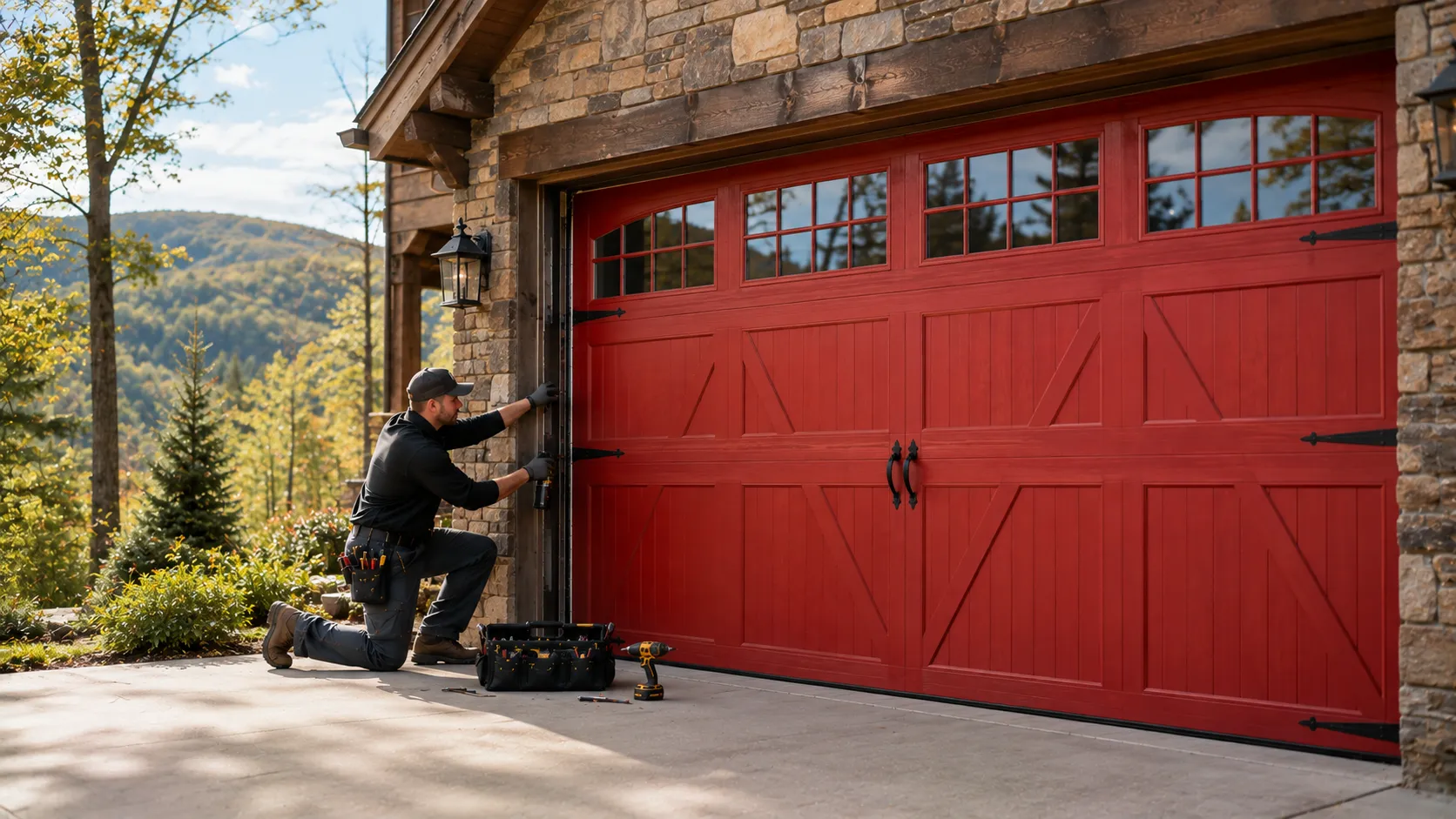
We don't have named streets or landmarks for University, so we're not going to invent a corner or a subdivision name to sound local. What we do know is the era. If your house falls in that 1980-2014 window that defines most of this part of Austin, you're probably running a torsion spring system on a steel or composite door, likely with a chain or belt-drive opener from whenever it was last replaced - which for a lot of these houses was some time ago, not at original construction. Owner-occupied homes make up the bulk of the housing here (41,792 of 73,657 households across the service area), which usually means doors get fixed rather than left broken, since these aren't rental units where a landlord shrugs off a stuck door. Median household income in the service area runs about $121,750, which tends to track with homeowners choosing insulated doors and quieter belt-drive openers over the cheapest chain-drive option. None of that tells us your exact door model. If you want a real answer, that's a look-at-it call, not a guess from a housing chart.
Getting Someone Out to See It
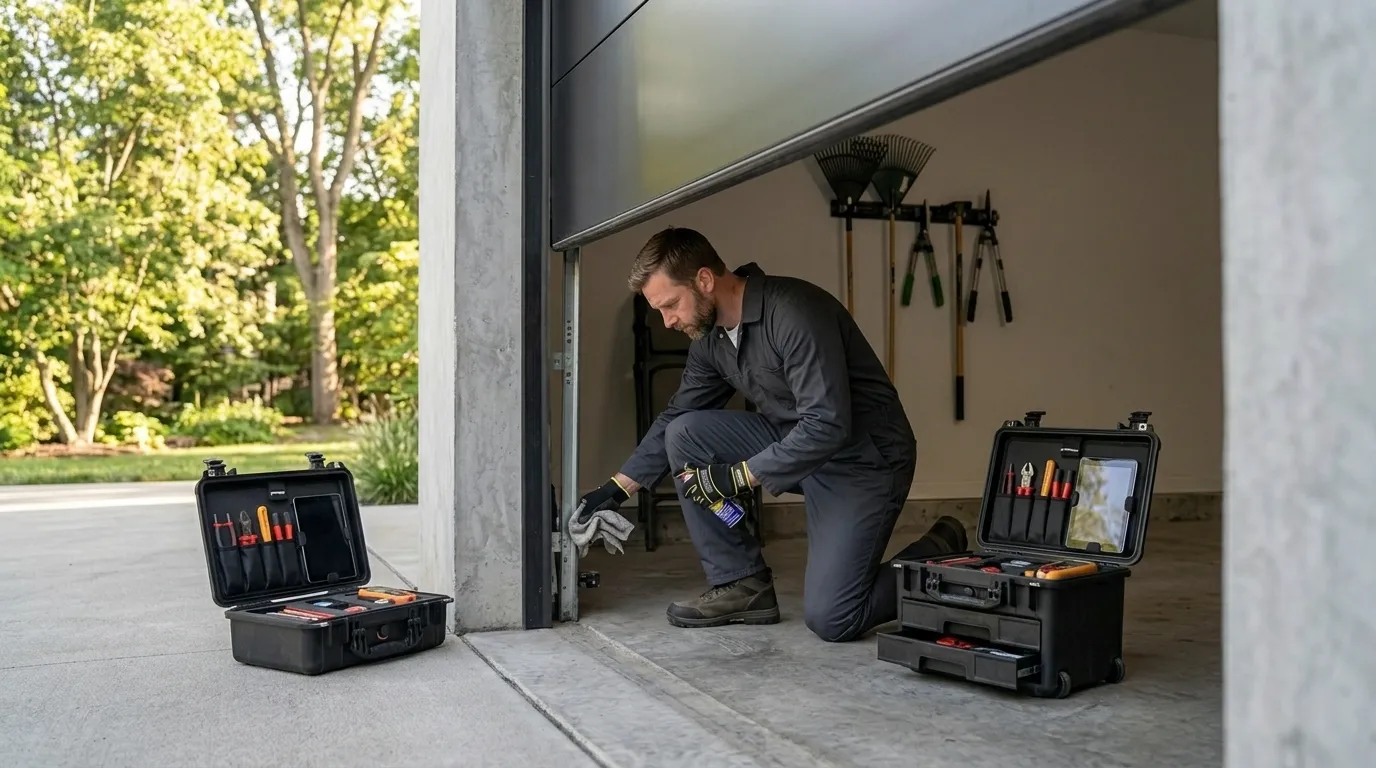
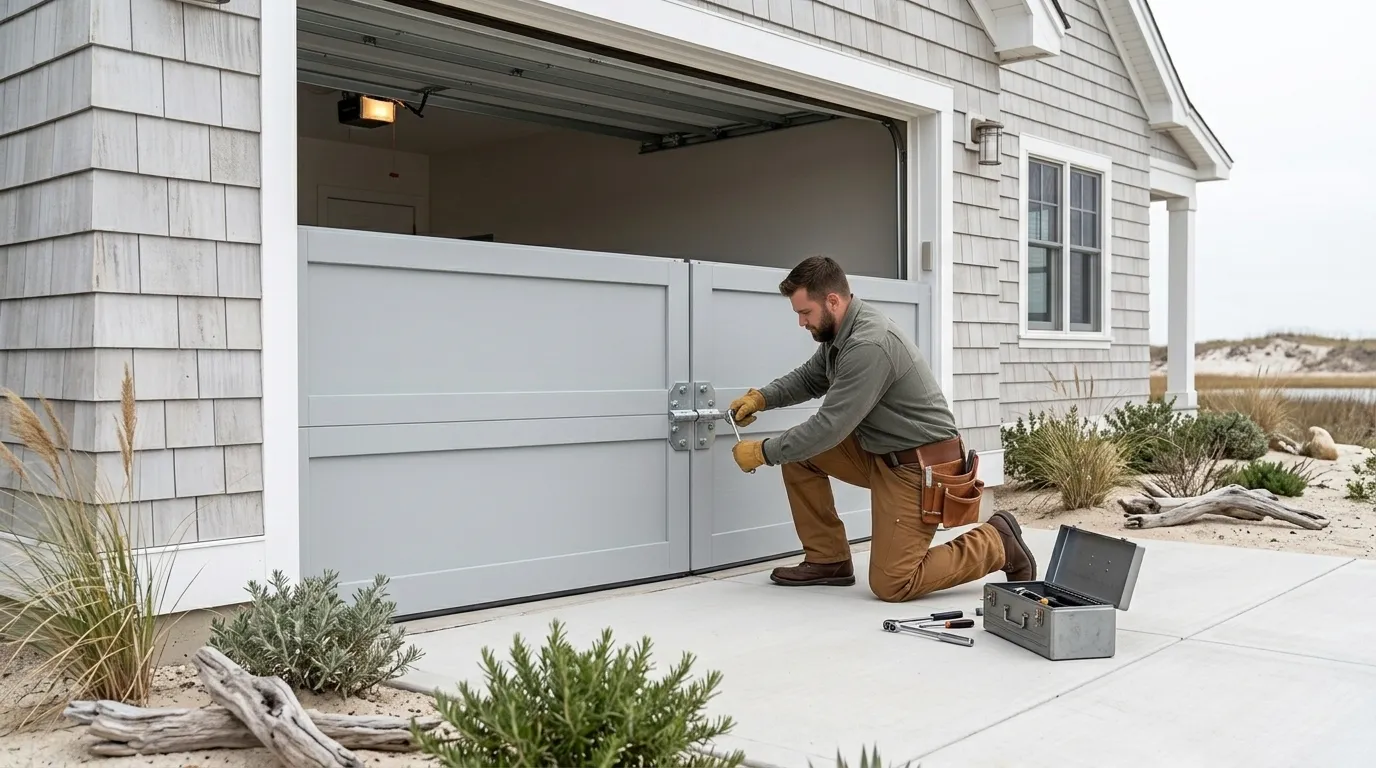
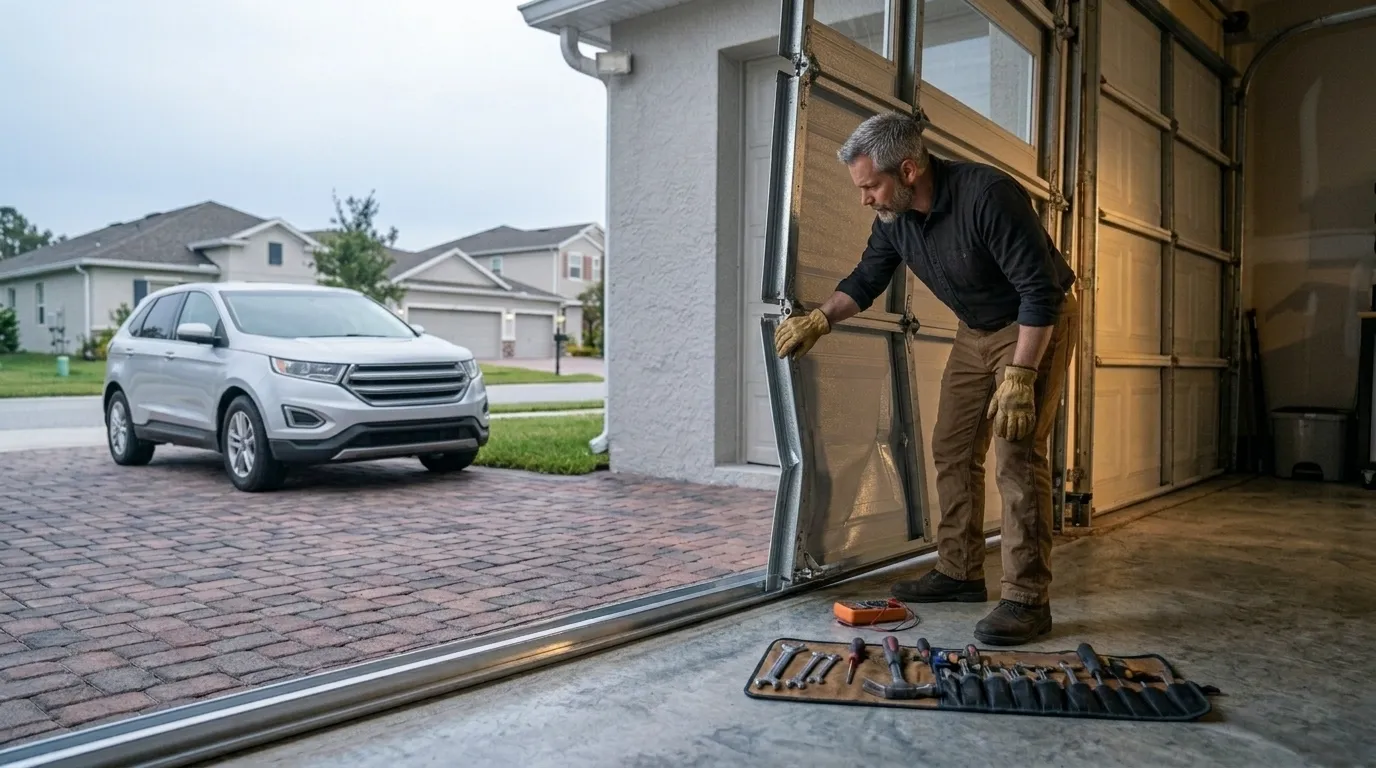
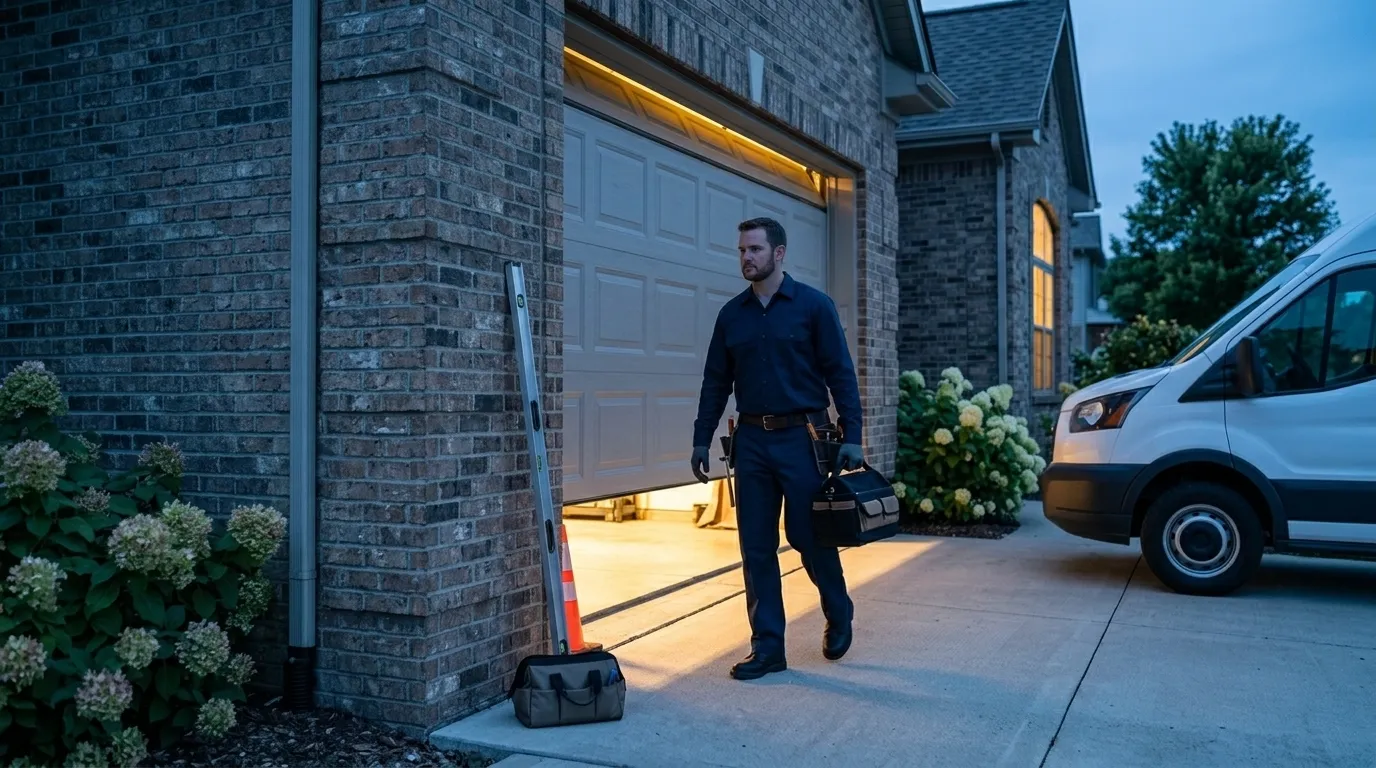
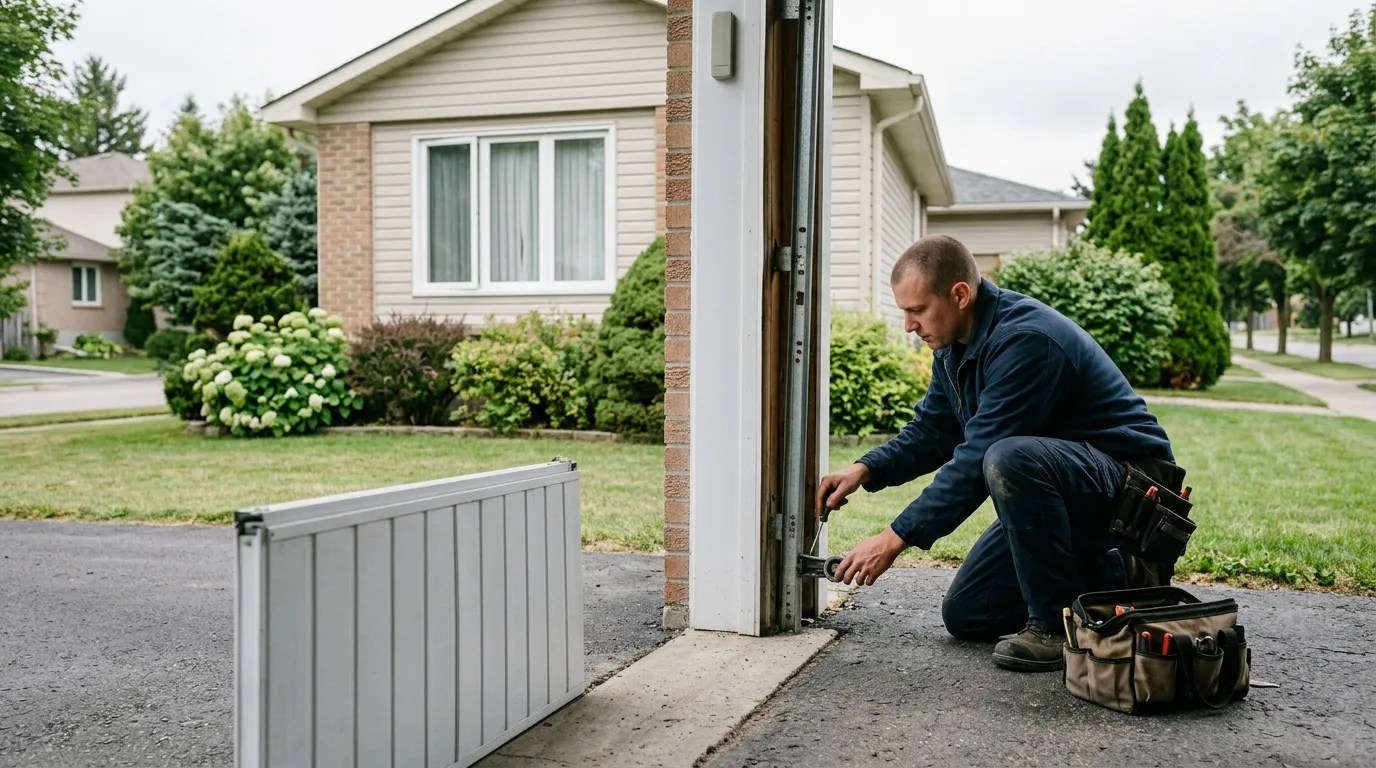
University is close - about a mile from the center of Austin - so getting a truck to your door isn't the hard part. The hard part, honestly, is diagnosing anything over the phone. A door that won't open could be a broken spring, a burnt opener board, a bent track, or a sensor knocked out of alignment, and those are four different repairs with four different price points. We'll ask what it's doing (grinding, silent, stuck halfway, opens but won't stay down) so we show up with the right parts on the truck instead of a second trip. One limitation worth saying plainly: if your door and opener are both original to a house built decades before the area's median year, some parts simply aren't stocked anymore, and replacement beats a repair that won't hold. We'd rather tell you that up front than sell you a patch.