Serving Sunset Valley homes built mostly in the mid-to-late 1990s, 6 miles from our Austin base. Torsion springs, openers, and panel repair for this stock.
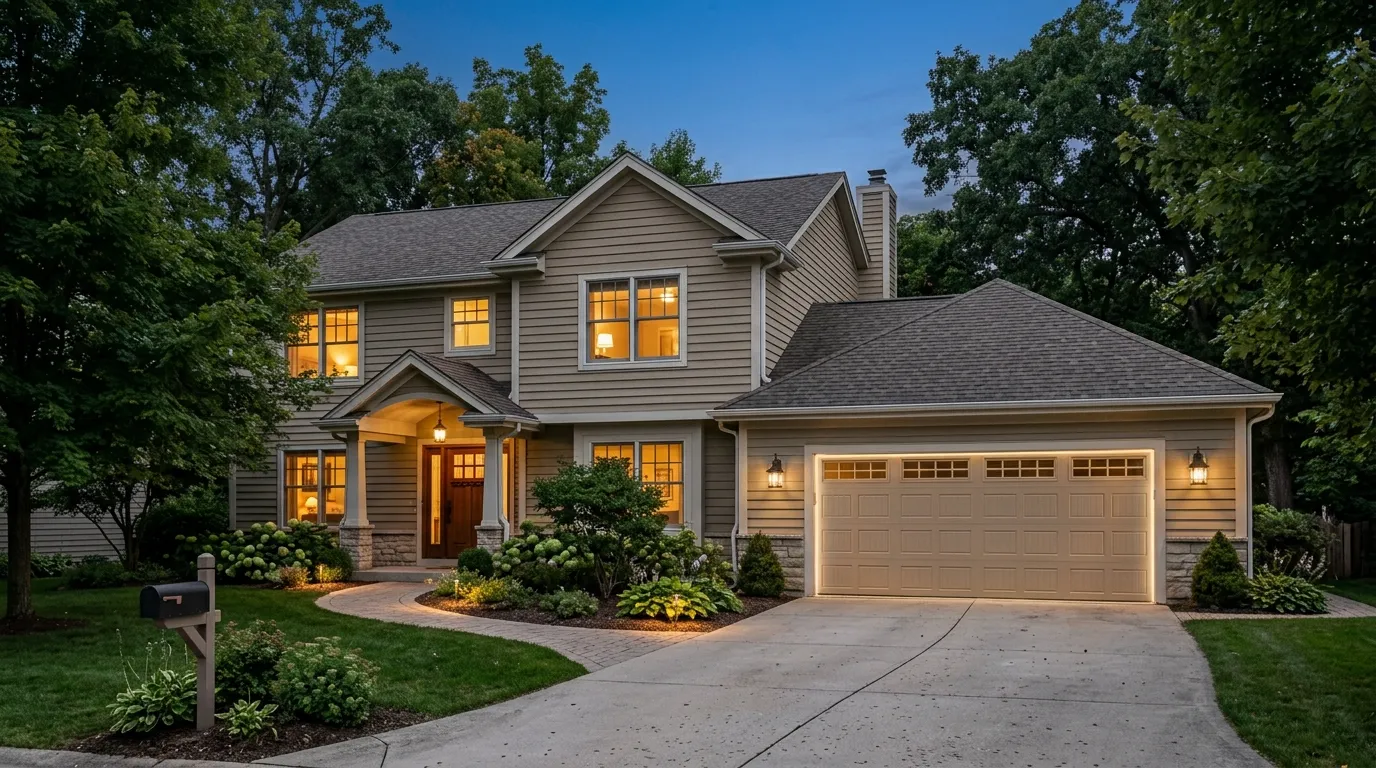
Sunset Valley's housing stock centers on 1997, which puts most garage doors here squarely in the mid-to-late 1990s generation. That's a specific window: steel doors with polystyrene insulation panels, torsion springs sized for the lighter opener motors of that era, and openers that are often the second or third replacement unit on the same bracket. This runs a little earlier than the wider Austin service area's median build year of 1998, but it's close enough that the same parts logic applies across both. What's different in Sunset Valley is the concentration - with only about 305 households in the area, you're looking at a small, fairly uniform pocket of construction rather than a mix of decades. When one door on a block starts showing a worn extension spring or a sagging track, it's a decent bet the neighbor's door is aging out on the same schedule.
Getting Here
We run out of Austin, and Sunset Valley sits about 6 miles out - a short trip, not a separate branch or a local yard. That distance matters mostly for scheduling: it's close enough that we can usually work Sunset Valley into the same day as calls in Zilker, Barton Hills, or Bouldin Creek without much slack in the truck's route. We don't keep a depot in Sunset Valley itself, and we're not going to pretend otherwise - every job here starts with a drive from Austin. What that means for you is we ask for a little lead time on non-emergency work so we can group it with other stops nearby, rather than promising a same-hour arrival we can't back up.
What the Housing Means for Your Door
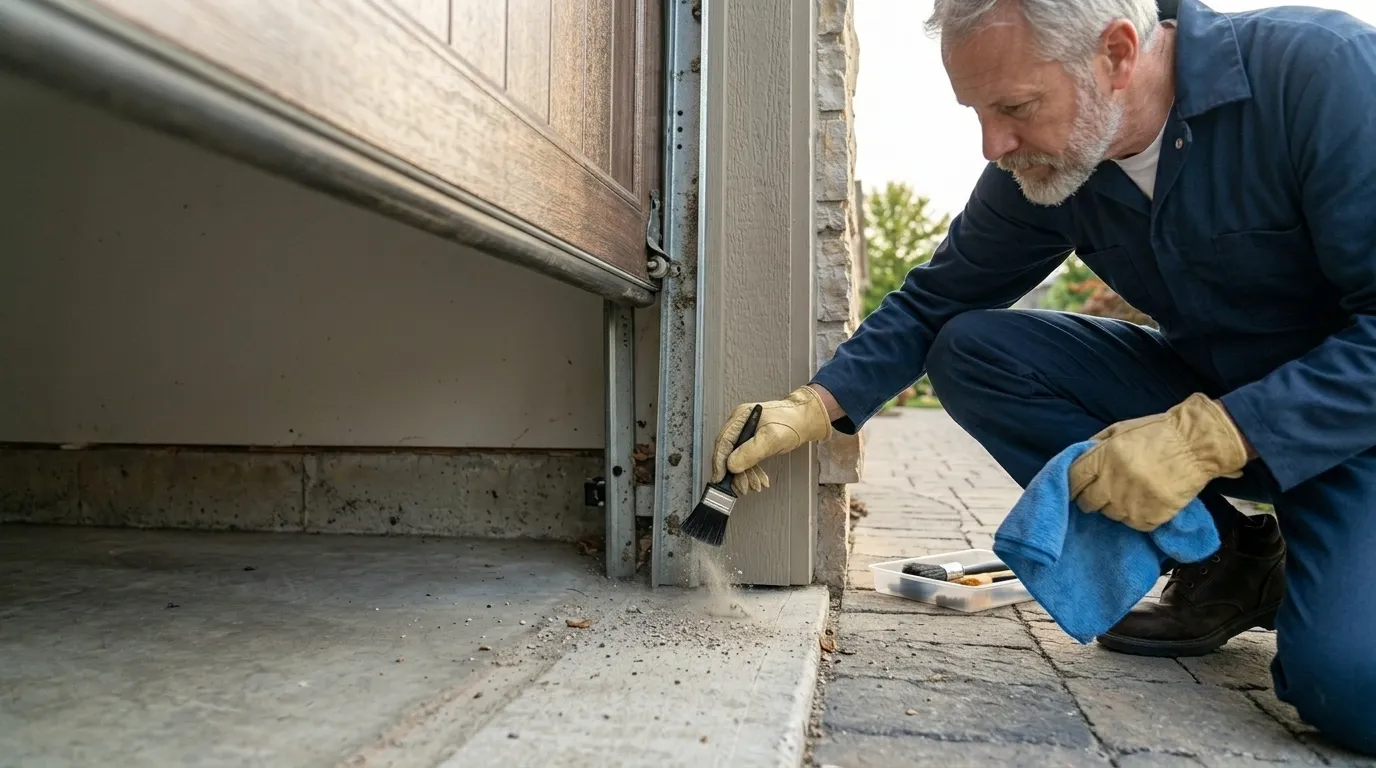
A door built around 1997 is old enough that its torsion spring has likely been through one full replacement cycle already, and if it hasn't, it's probably close. Springs from that era were often undersized compared to what we'd size today for the same door weight, especially on insulated steel doors that got heavier as insulation standards crept up through the 1990s and 2000s. Openers from this build window are also past the point where parts like drive gears and logic boards are easy to source new - we can often repair them, but a full opener swap sometimes ends up cheaper than chasing a discontinued part. One honest limit: if your opener is a chain-drive unit from the original build, we may not be able to get an exact-match replacement gear kit, and we'll tell you that upfront rather than order something that won't fit. With a moderate heat climate here, we don't see the freeze-related hardware failures that colder regions deal with, but UV and heat cycling do wear out weatherstripping and plastic idler pulleys faster than most owners expect.
The Calls We Get From Here
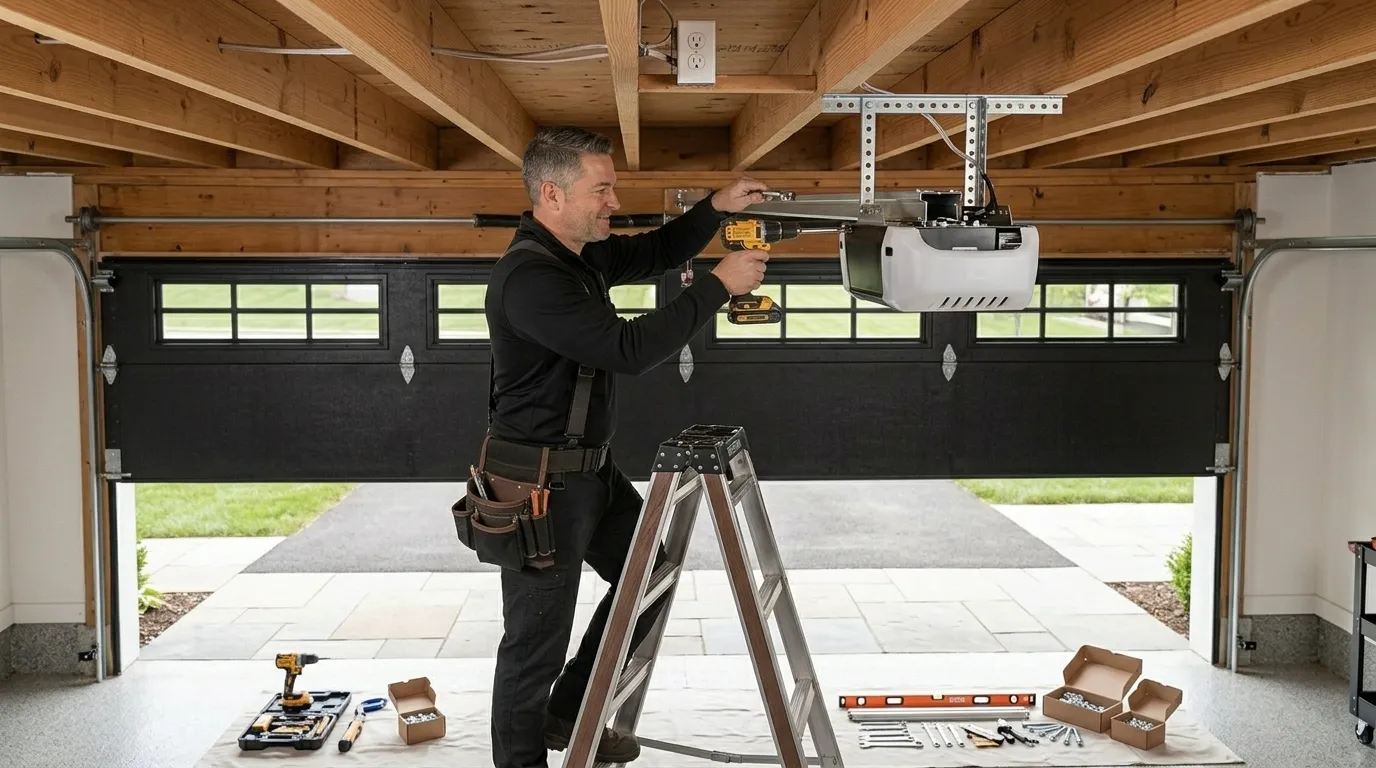
The most common call from Sunset Valley is a torsion spring that's finally given out on a door installed close to two decades ago - the classic signs are a door that won't lift past a few inches or an opener straining and reversing. Second most common is opener failure: circuit boards and drive systems from the mid-to-late 1990s are near or past their expected service life, and a dead opener doesn't always mean a dead door. We also get panel and roller calls, usually on doors that have taken some cosmetic damage over the years but still run fine mechanically - in those cases, replacing rollers and a damaged panel section costs less than a full door swap. Given the median household income of $151,250 in this area, we do see more owners opt for full opener upgrades - Wi-Fi-enabled units, battery backup - rather than patching an old one, but we'll always quote the repair option first if it's sound.
How it works
From “it’s stuck” to “it’s fixed”
01
Tell us what’s wrong
Describe the symptom - won’t open, loud bang, opener runs but the door won’t move.
02
On-site diagnosis
A technician tests the door under power and by hand and finds what actually failed.
03
Clear, up-front plan
You get the fix that’s needed and what drives the cost - before any work starts.
04
Repaired & tested
The repair is done, the door is set true and tested, and the work area left clean.
Serving Austin, TX - call 17374360211 or request a quote online.
Why does my Sunset Valley garage door feel older than the house next door in Austin?
Sunset Valley's housing stock centers on 1997, a touch earlier than the broader Austin service area's 1998 median. Doors, springs, and openers from that build window are now old enough that original hardware is wearing out, so repairs here often involve parts that were standard then but aren't stocked new today.
Do you have a location in Sunset Valley?
No. We operate out of Austin, about 6 miles away, and drive to Sunset Valley for every call. We don't keep equipment or staff stationed here, so we schedule non-emergency work in batches with nearby stops to keep drive time reasonable.
Is it worth replacing an opener from the 1990s instead of repairing it?
Often yes. Drive gears and circuit boards from that era are hard to source new, so a repair can end up costing close to a full swap anyway. We'll check parts availability first and quote the repair if it's realistic, but many owners here choose the newer unit once they see both prices.
Does Austin heat cause garage door problems in Sunset Valley?
The area sits in a moderate heat climate, so we don't see the spring failures that cold-climate regions get from hard freezes. What we do see is UV and heat cycling wearing out weatherstripping and plastic rollers faster, which shows up as noise and drafts before anything breaks outright.
Ready to get your garage door sorted?
Tell us what it’s doing and where you are in Austin - we’ll take it from there.