Houses on These Streets
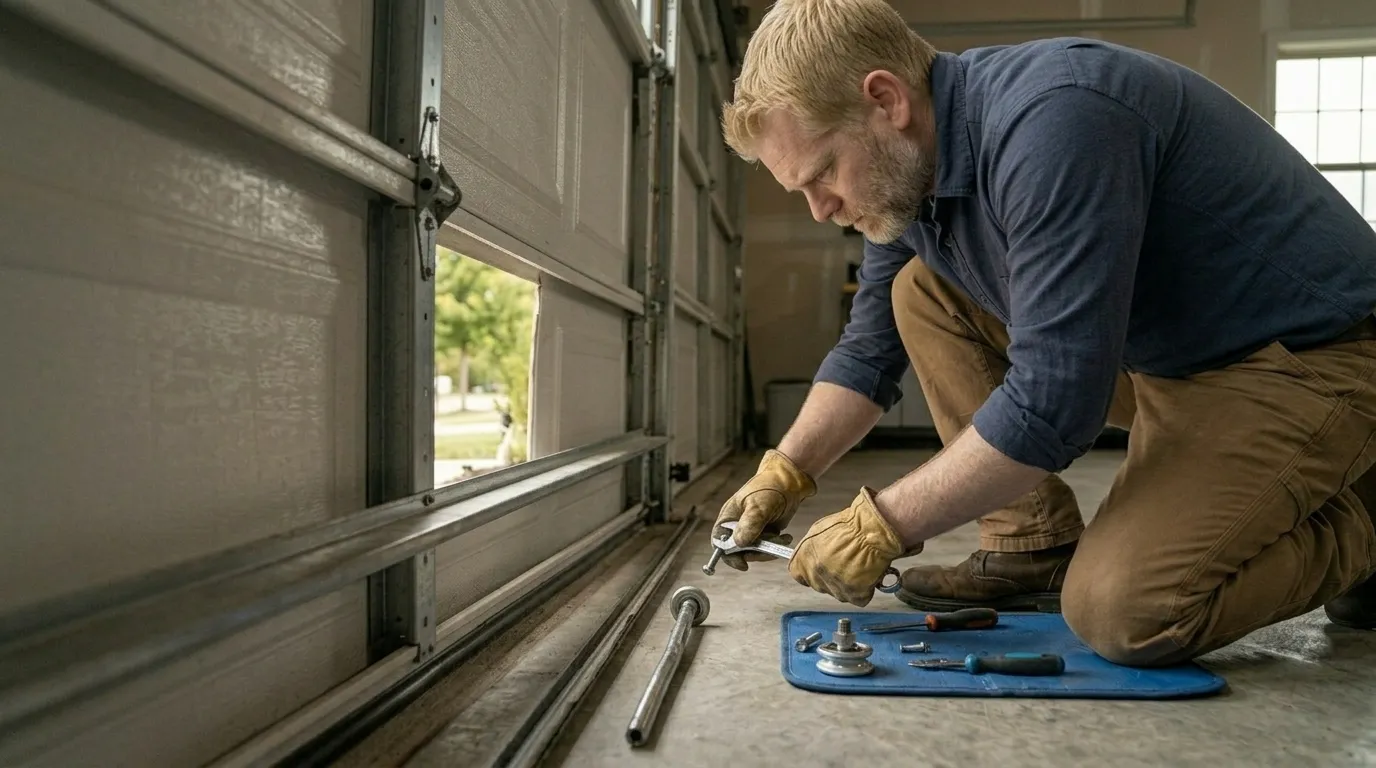
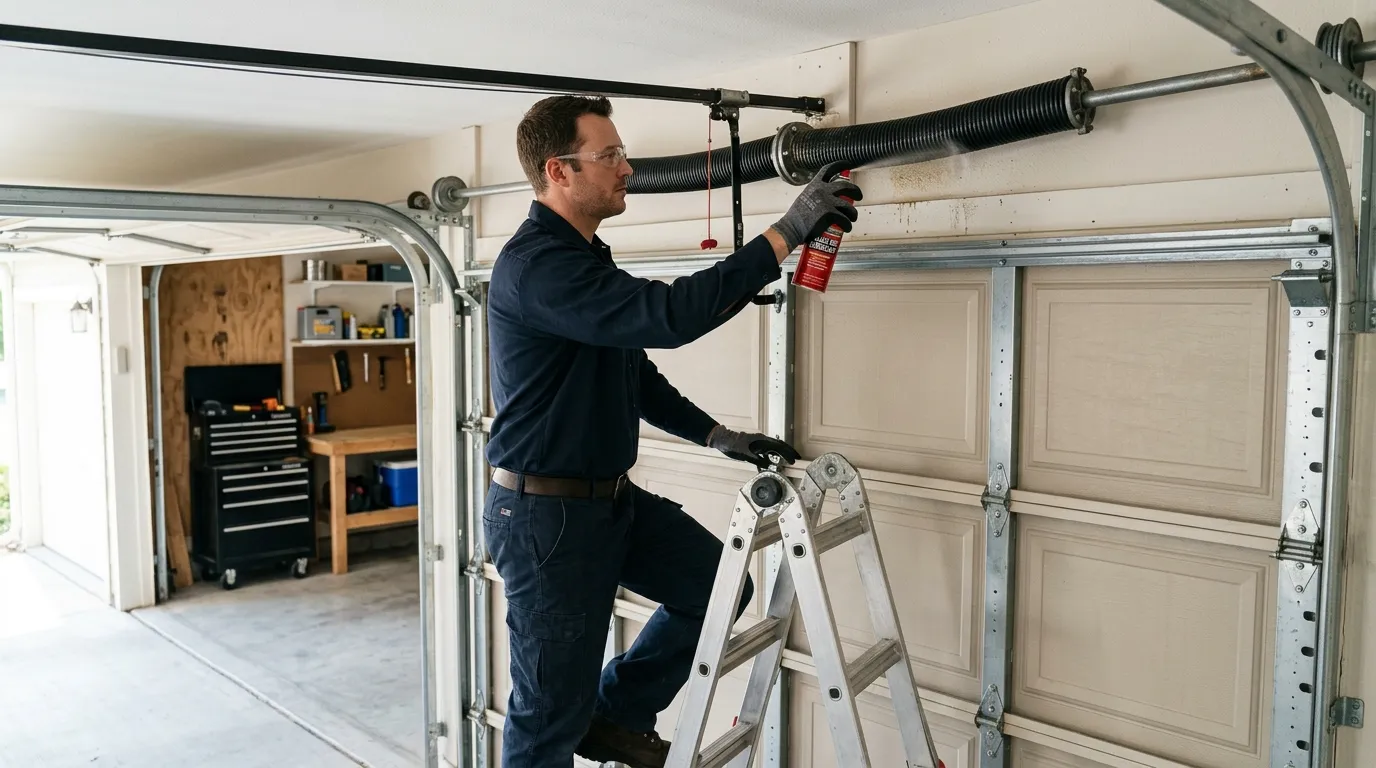
We can't name the streets in South Congress or point to a specific block, and we won't invent one just to sound local. What we can say is that homes across the service area we cover, this neighborhood included by proximity, skew toward that 1980-to-2014 build range, median year 1998. Houses from that era were mostly built with steel sectional doors and torsion spring systems mounted on a single center shaft, not the older side-mounted extension springs you'd find on anything built before the 1970s.
With 41,792 owner-occupied houses across the service area, we see the same failure pattern repeat: springs rated for a certain cycle count finally give out somewhere in year 18 to year 25, right around when the opener's original circuit board starts having intermittent issues too. If your house sits in that window, both problems tend to show up close together, which is why a spring call sometimes turns into an opener conversation.
Median household income across the service area is $121,750, which is high enough that most owners we talk to choose full replacement over patching an opener that's already had two motor swaps. That's not a sales pitch, it's just what the numbers on file show homeowners around here actually decide to do.
Getting Someone Out to See It
A call to look at a broken spring or a door that won't open is straightforward to schedule from South Congress given the seven-mile run from the center of Austin. What we can't promise is a repair time or a price without seeing the door, since we don't have a rate sheet in front of us for this page and won't make one up.
One honest limitation: if your opener is old enough that the manufacturer no longer makes boards or logic units for it, we're not going to spend an hour chasing a part that doesn't exist anymore. At that point replacement is the faster and cheaper path, and we'll say so on the spot instead of running up a bill on a repair that won't hold.
Moderate heat band means we're not dealing with the spring-tension swings you'd see somewhere with harsh winters, so once a torsion system is set correctly here, it tends to stay set. That's one less thing to worry about once the work is done.