Houses on These Streets
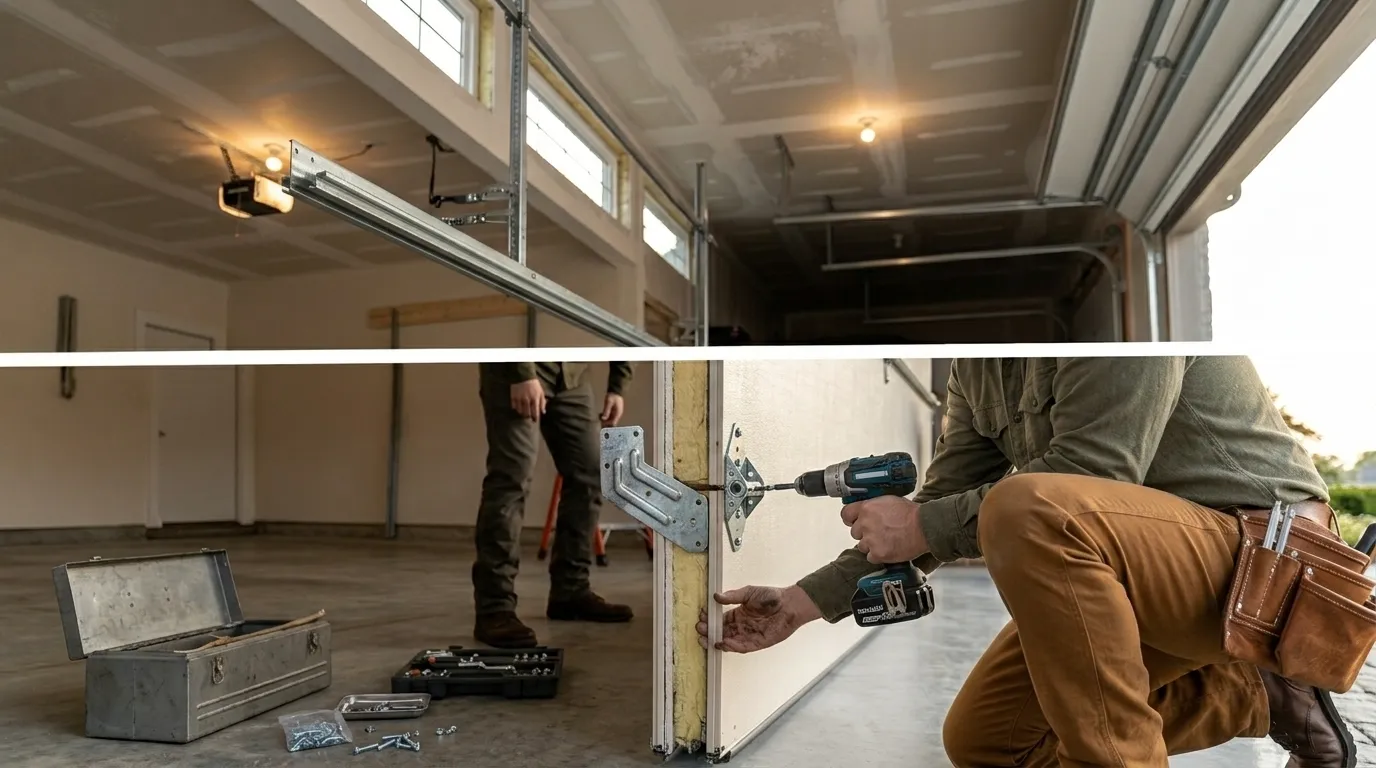
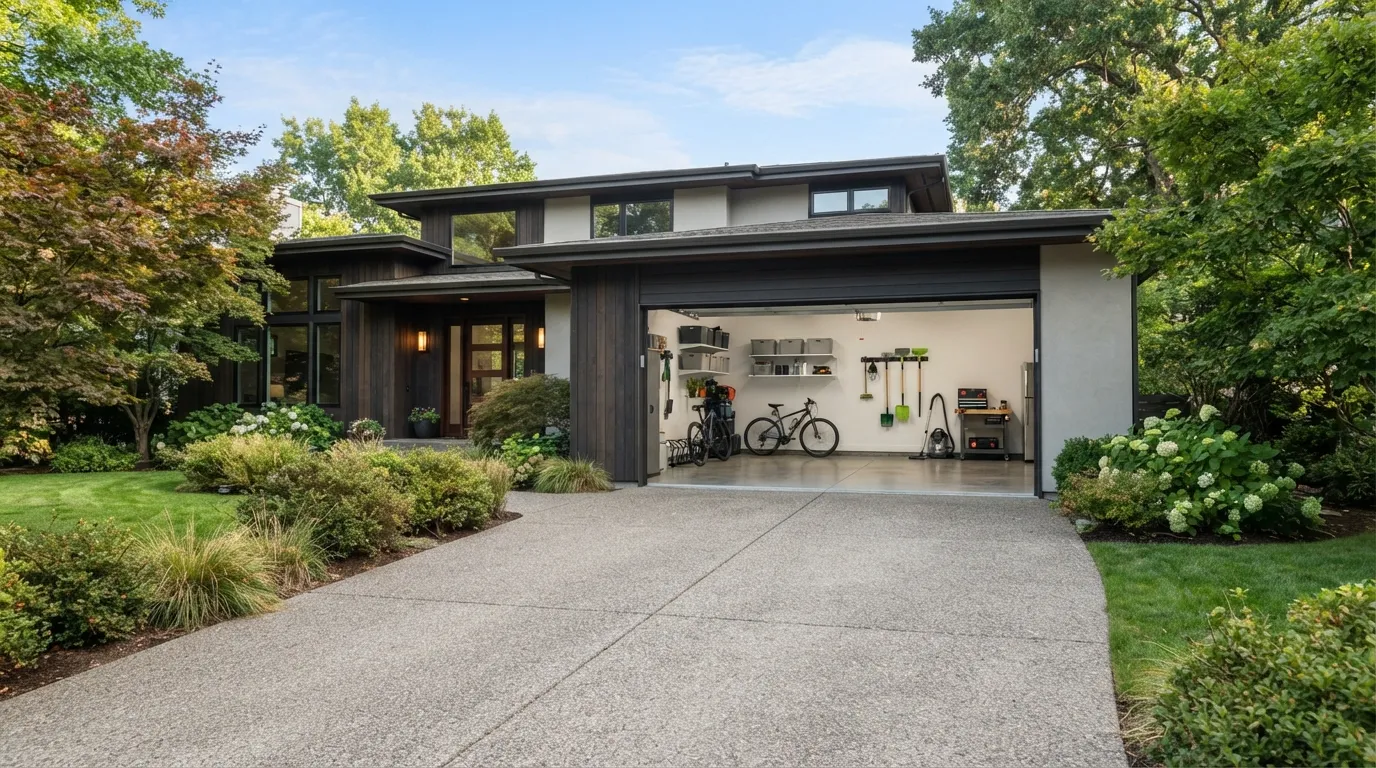
Without specific street names to work from, the honest way to talk about South Austin housing is by build era, and that era is well documented: 1980 to 2014, median 1998, which puts this neighborhood squarely in the same window as nearby Zilker, Bouldin Creek, and Barton Hills, all a few miles to the north and northeast. If your house went up anywhere in that stretch, the garage door hardware is a known quantity - steel raised-panel doors, torsion springs mounted on a center bracket, and openers that started as chain-drive and shifted toward belt-drive as the years moved into the 2000s.
What that means in practice: springs from the 1980s and early 90s builds are well past their rated cycles by now, even on doors that look fine. Openers from the same period often predate rolling-code safety sensors, which is worth knowing if you're planning to sell or just want the door up to current safety expectations.
We don't have landmark-level detail on this neighborhood to point to, and we're not going to invent one. What we do know is the build-year math, and it tells you plainly which parts on a South Austin garage door are due.
Getting Someone Out to See It
South Austin is inside the area we cover, roughly seven miles southwest of the center of town, in the same stretch as Barton Hills, Bouldin Creek, and Zilker. Across the wider service area there are 41,792 owner-occupied houses and a median household income of $121,750, which tells us most of the work out here is repair and replacement on existing houses, not new construction.
One limitation worth saying plainly: if a part is unusual - an odd-width track, a discontinued opener logic board - it can mean a short wait on parts rather than a same-visit fix. We'd rather tell you that up front than promise a fix we can't deliver that day.
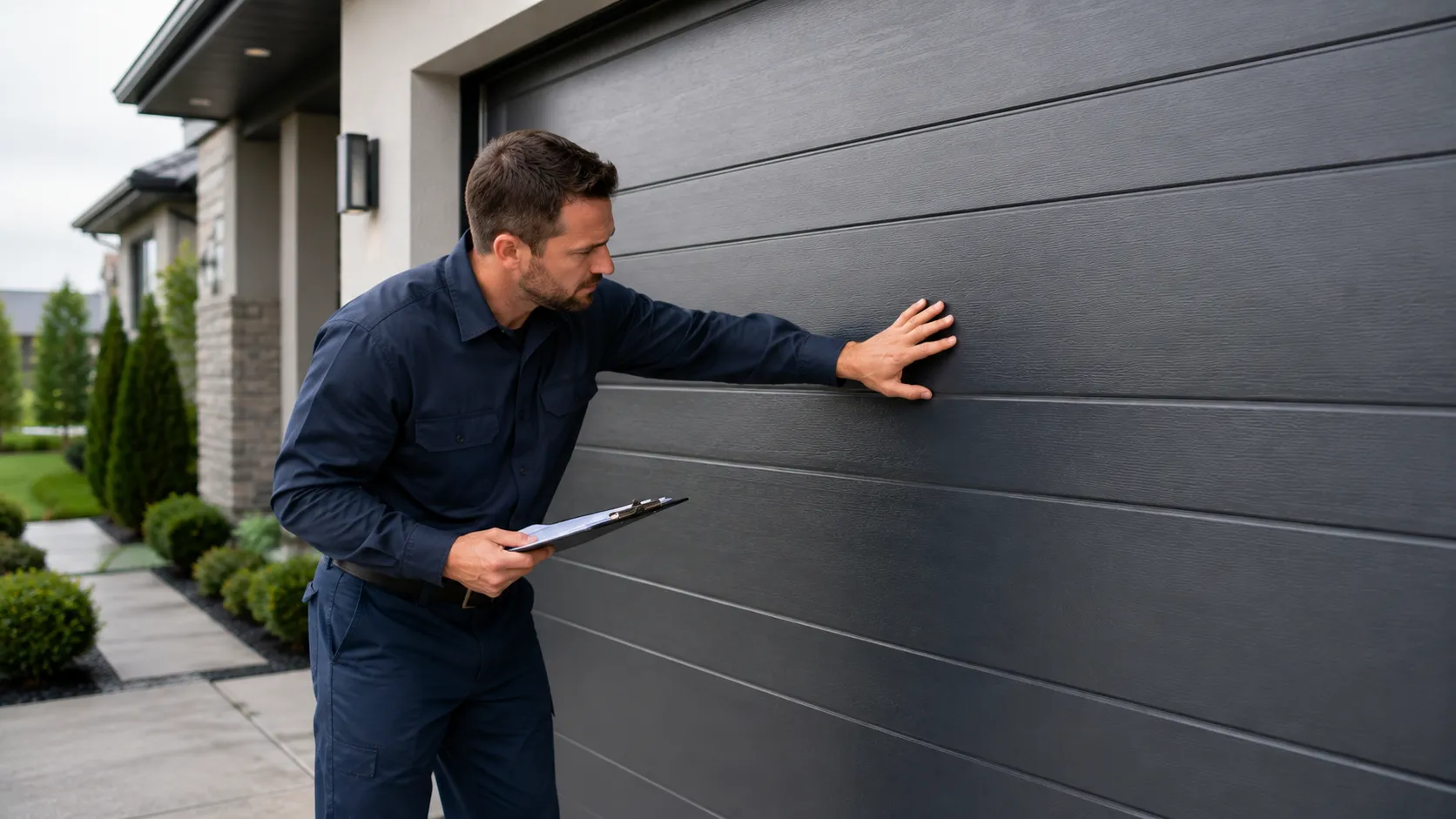
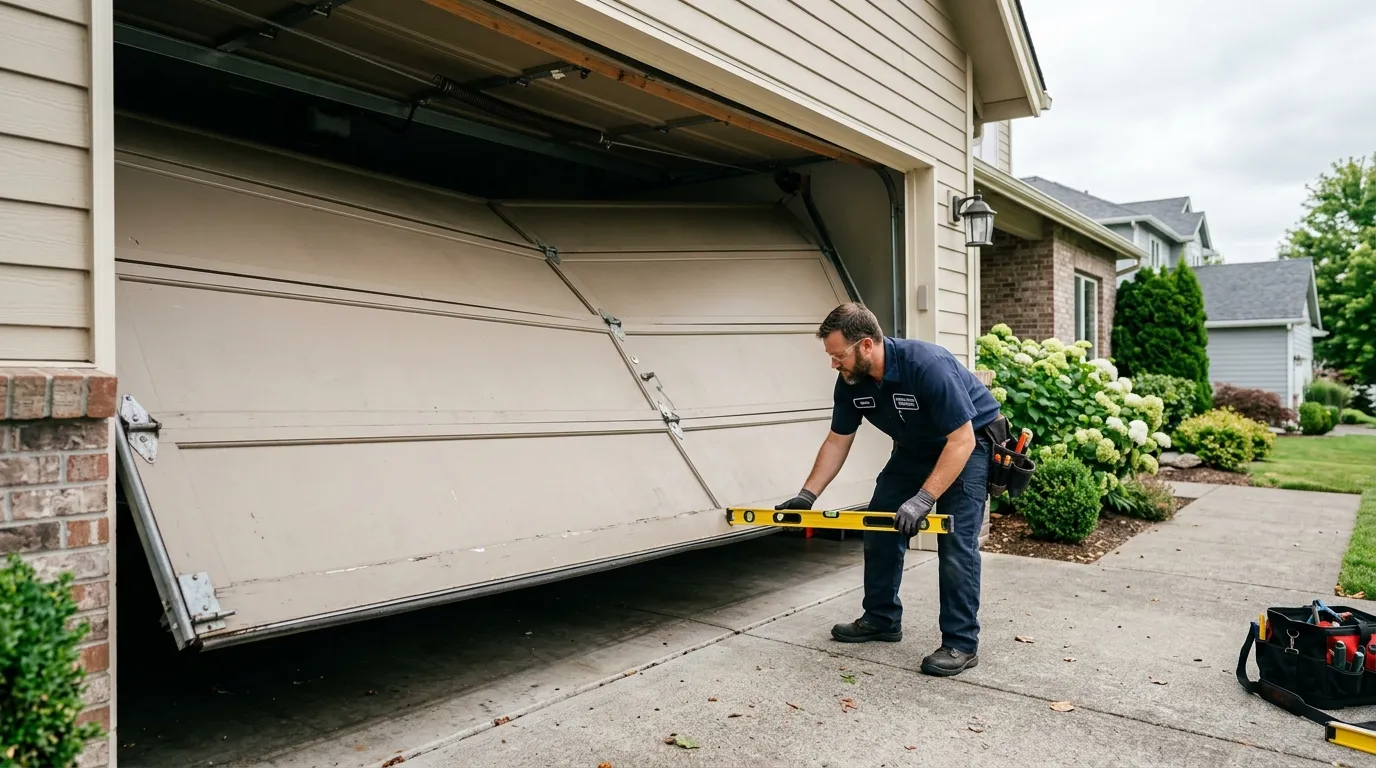
If you want someone to look at a door that's slow, loud, or stuck, get in touch through the site.