Houses on These Streets
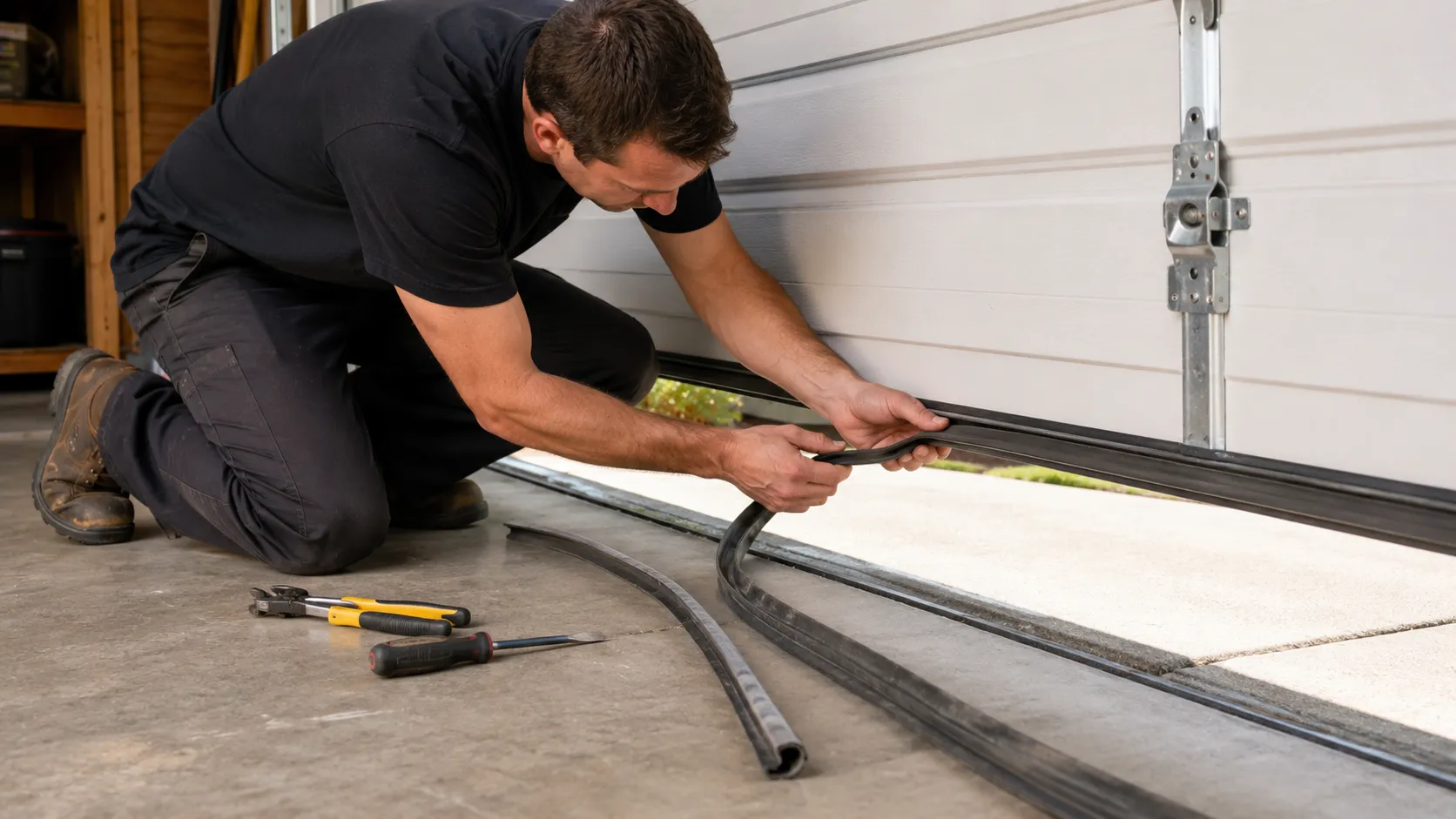
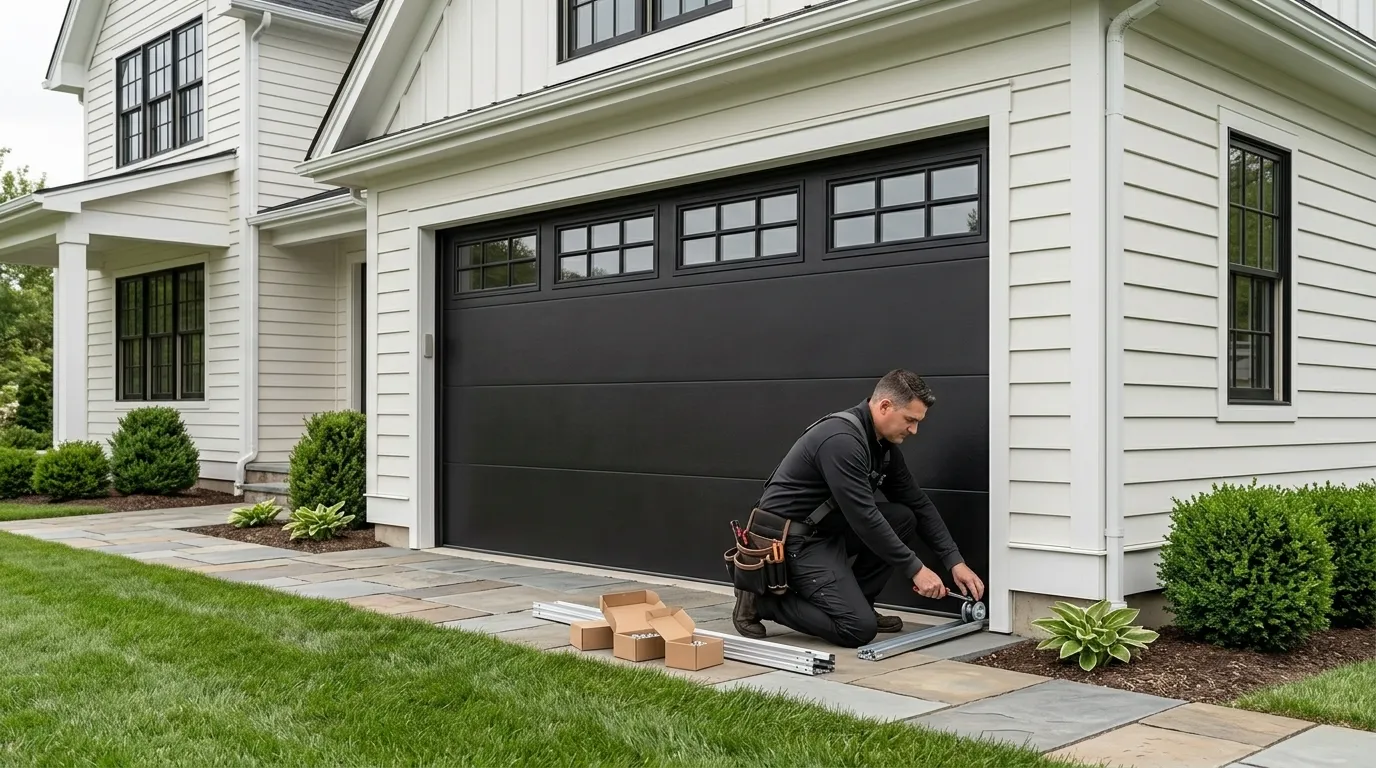
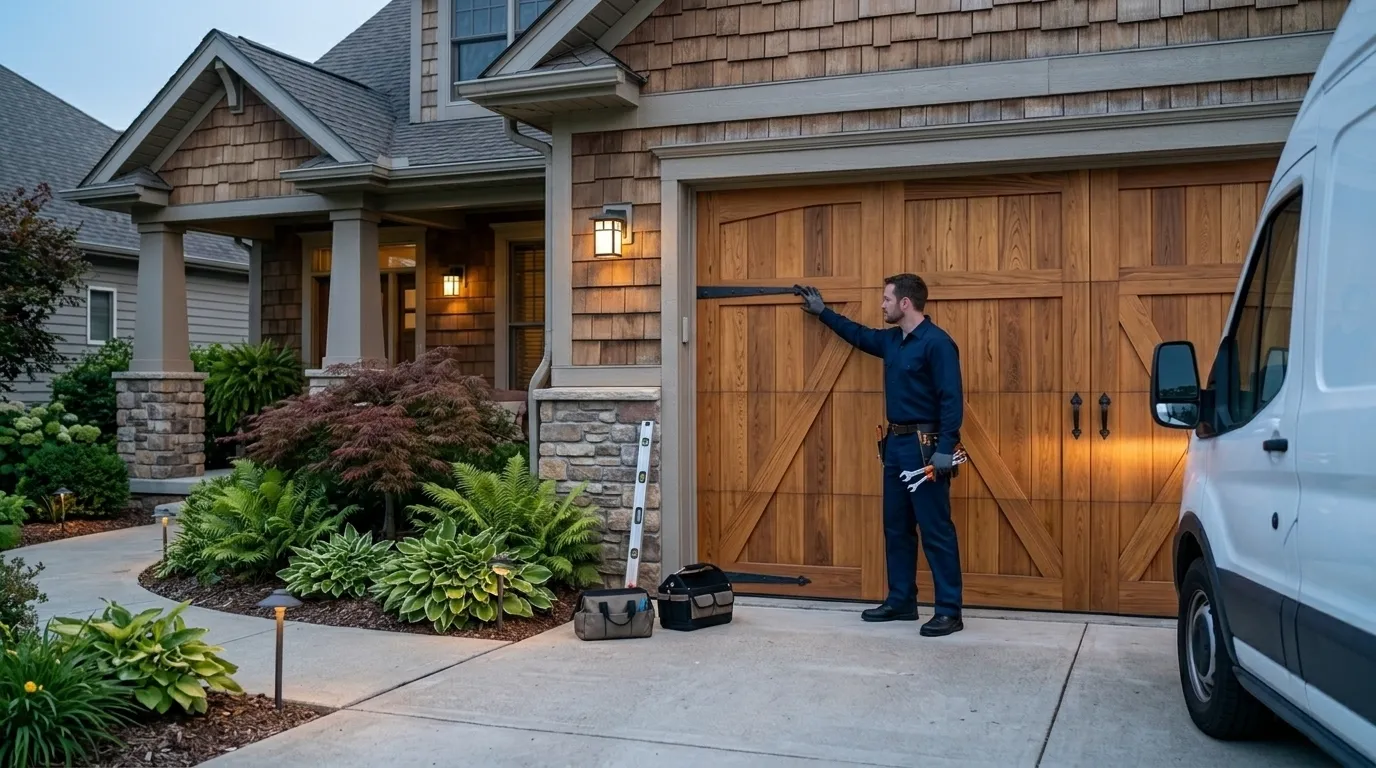
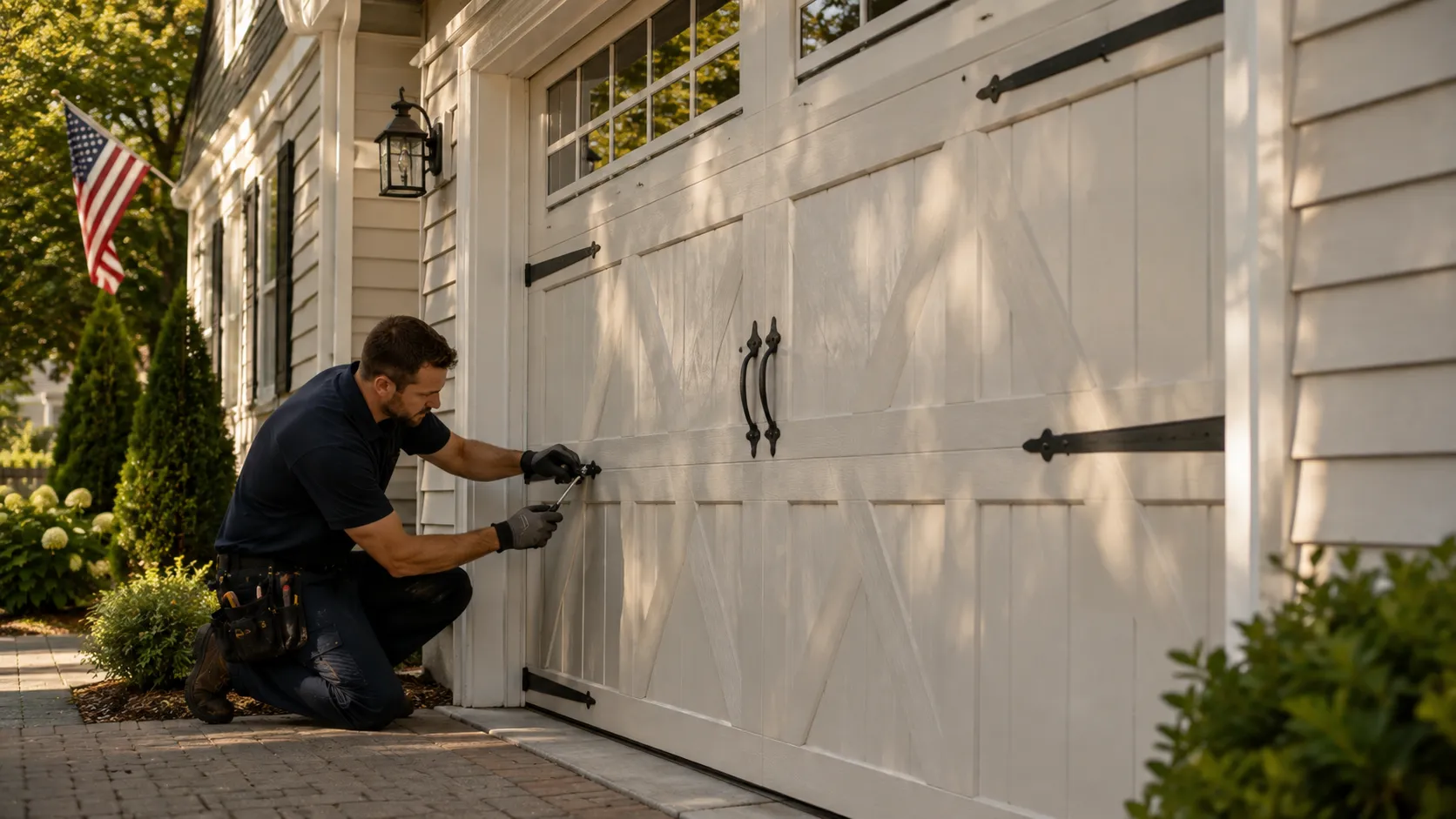
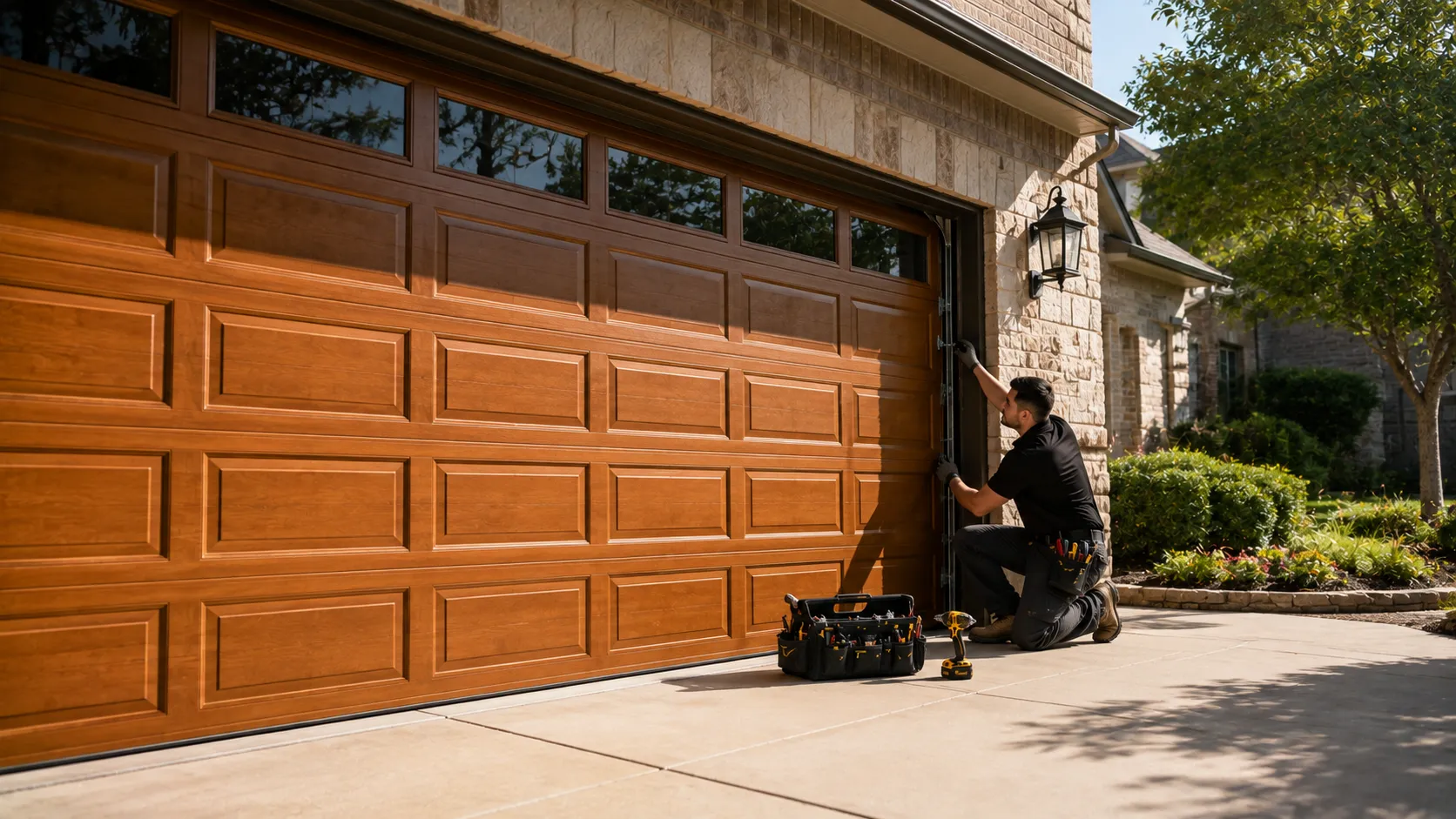
Because most of the housing here dates to 1980-2014, the doors we're pulling off in this pocket of Austin are almost all steel sectional, torsion-spring setups - not the older extension-spring, wood-panel doors you'd find in the pre-1960s core neighborhoods closer to downtown. That's a good thing for repair cost: torsion hardware is more standardized, parts are easier to source, and a spring swap on a door from this era is usually a clean, contained job rather than a hunt for a discontinued part. This part of Texas sits in a moderate heat band rather than an extreme one, so the failures we see aren't from freeze-cracked seals - they're from decades of summer heat expanding and contracting the spring coil and drying out the lubricant on rollers and hinges. If your door's noisy going up but not obviously broken, that's often the fix: a full lube service and a roller swap, not a new door. One honest limit here - if your house is on the older end of that 1980 window and the opener has never been swapped, the safety sensors may not meet current code, and we'll flag that rather than just reset the beam.
Getting Someone Out to See It
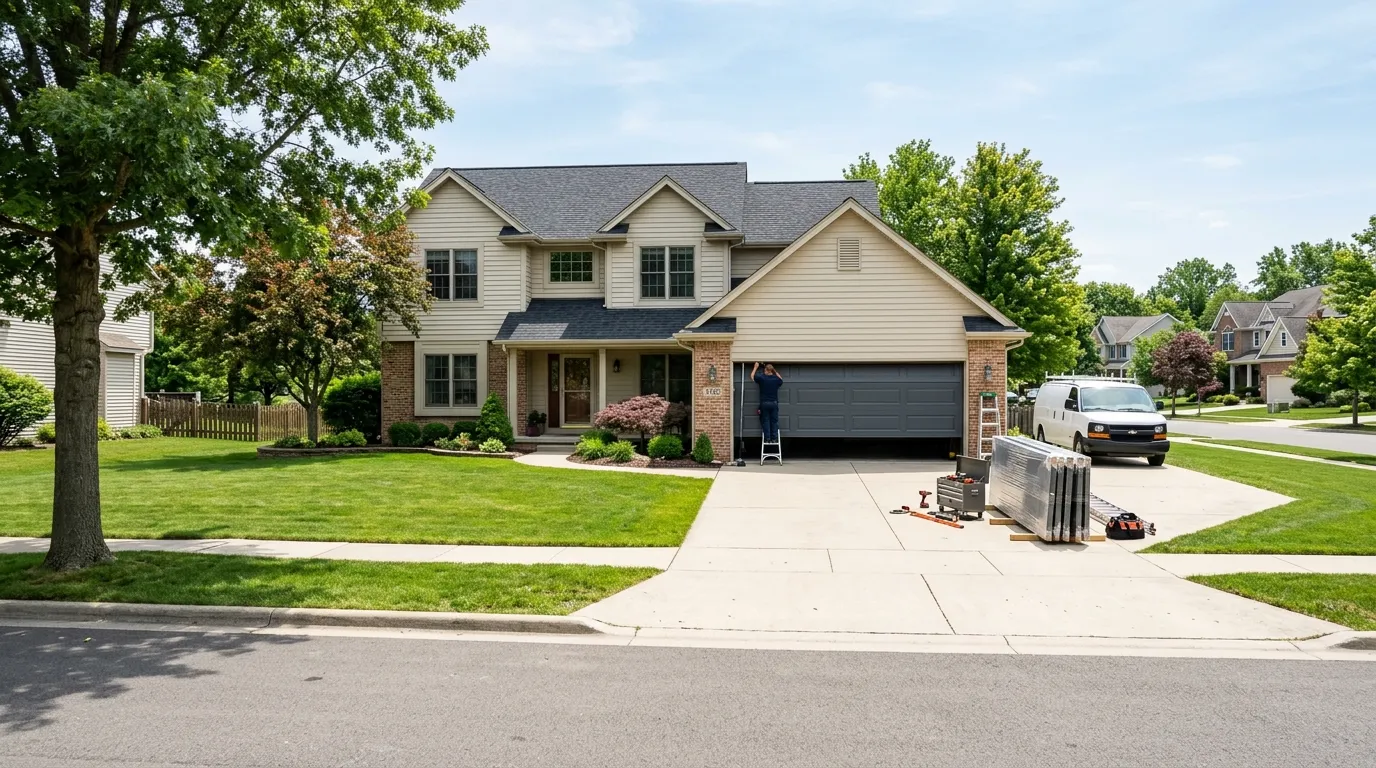
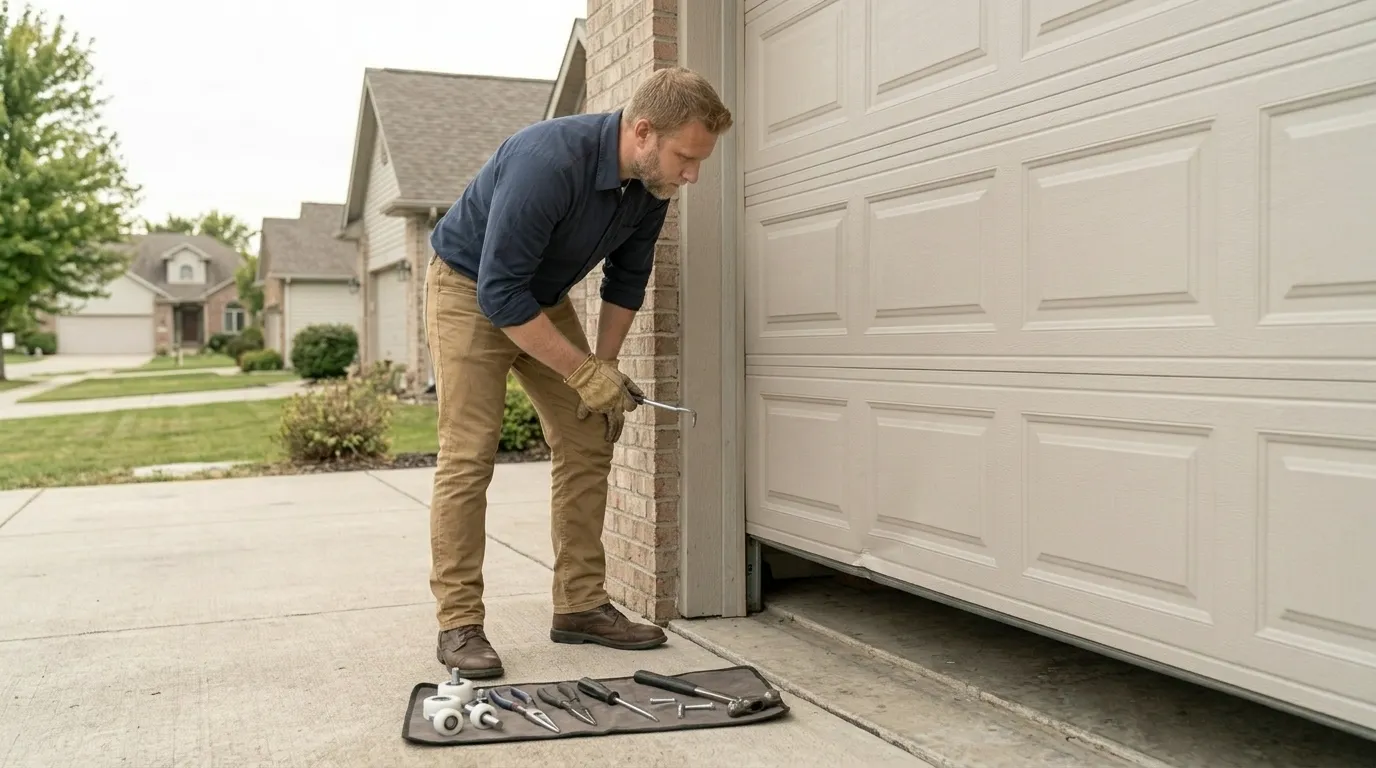
We work off your address, not a landmark, so when you call, have your door's rough age or the last time it was serviced ready if you know it - that alone gets us halfway to the diagnosis before the truck leaves. Being five miles out from the center of Austin keeps this call close for us; it's not a cross-town trip tacked onto a longer route, which matters when a spring snaps and the door won't move at all. We'll tell you on the phone whether it sounds like a same-visit fix or something that needs a part ordered, and we won't quote a number until someone's actually looked at the spring, the track, and the opener gears. If the door's original to a house built near the start of that 1980-2014 window, parts availability can run a day or two longer than a newer install - we'd rather say that upfront than have you waiting on a truck that isn't coming today.