Houses on These Streets
We don't have a street-by-street map of Oak Hill's subdivisions, so we won't pretend to know which cul-de-sac has which builder's doors. What we do know, from housing data for this part of southwest Austin, is the era: construction here runs mostly 1980 through the mid-1990s, putting a lot of these garages at 30 to 45 years old.
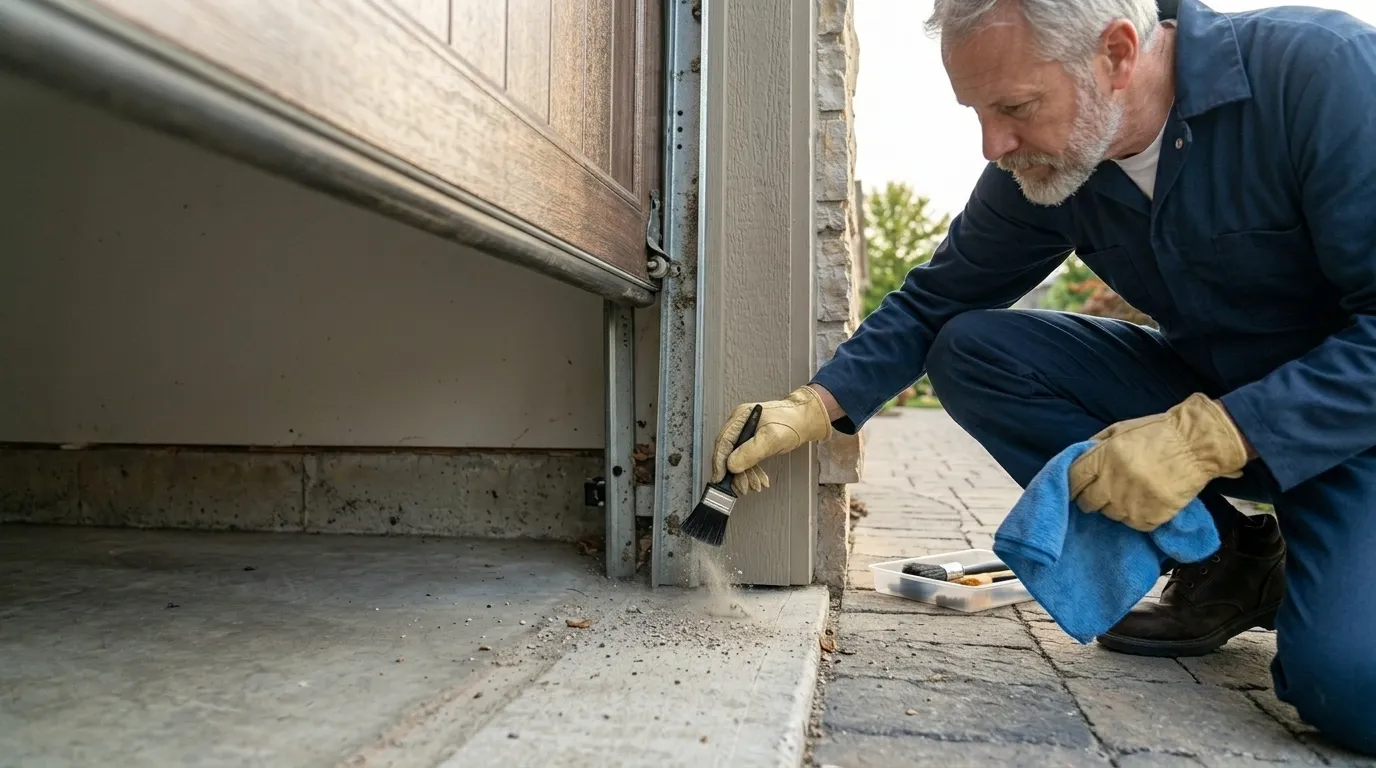
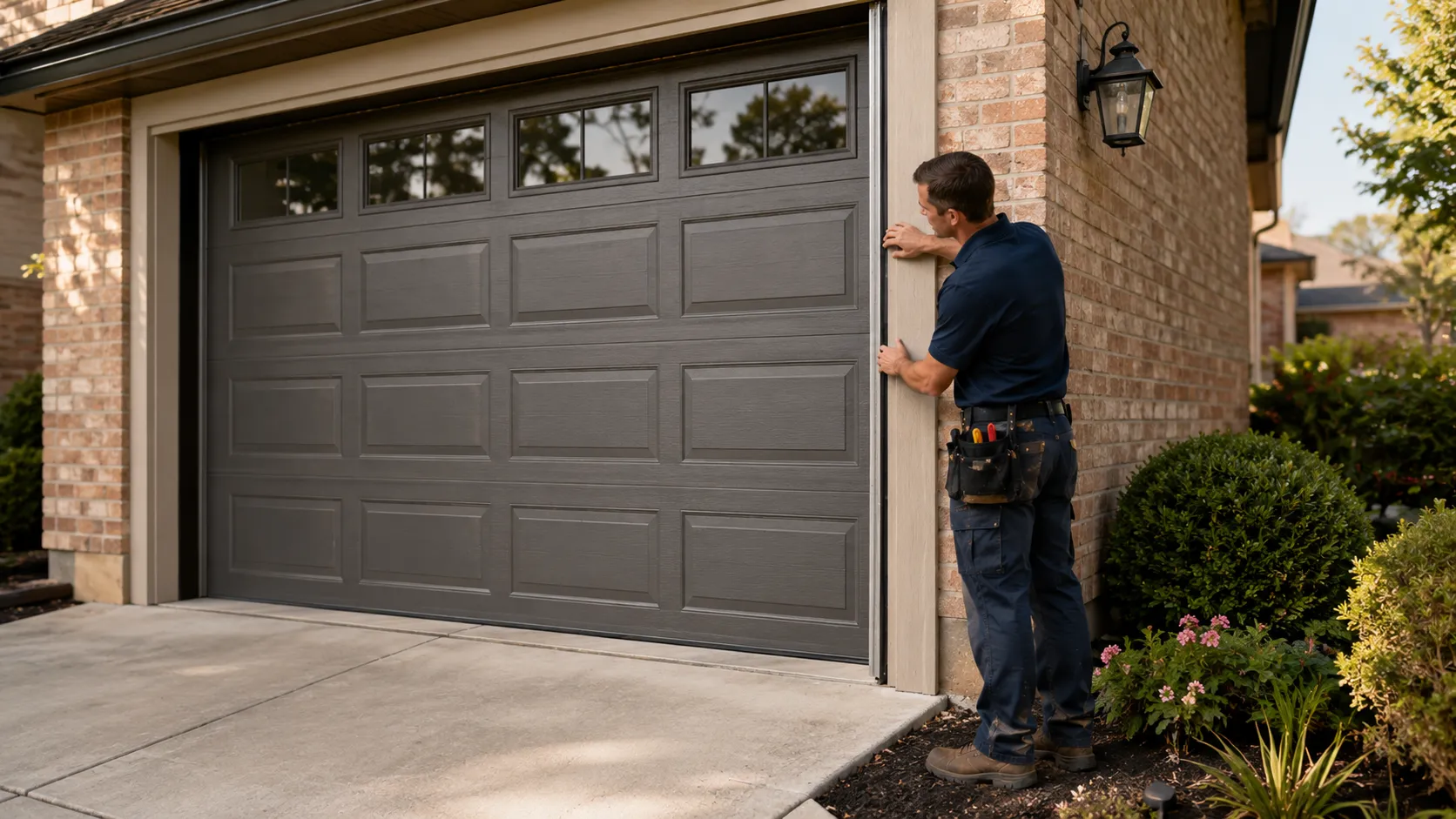
Doors from that build window tend to share a few traits regardless of which builder put them up. Springs are usually torsion-style mounted above the header, which is a safer setup than the older side-mounted extension springs but still needs the right cable length and drum size for the door's actual weight. Panels are often steel with a wood-look embossment that was popular through the 90s, and those panels rust from the bottom edge inward once the factory finish wears through.
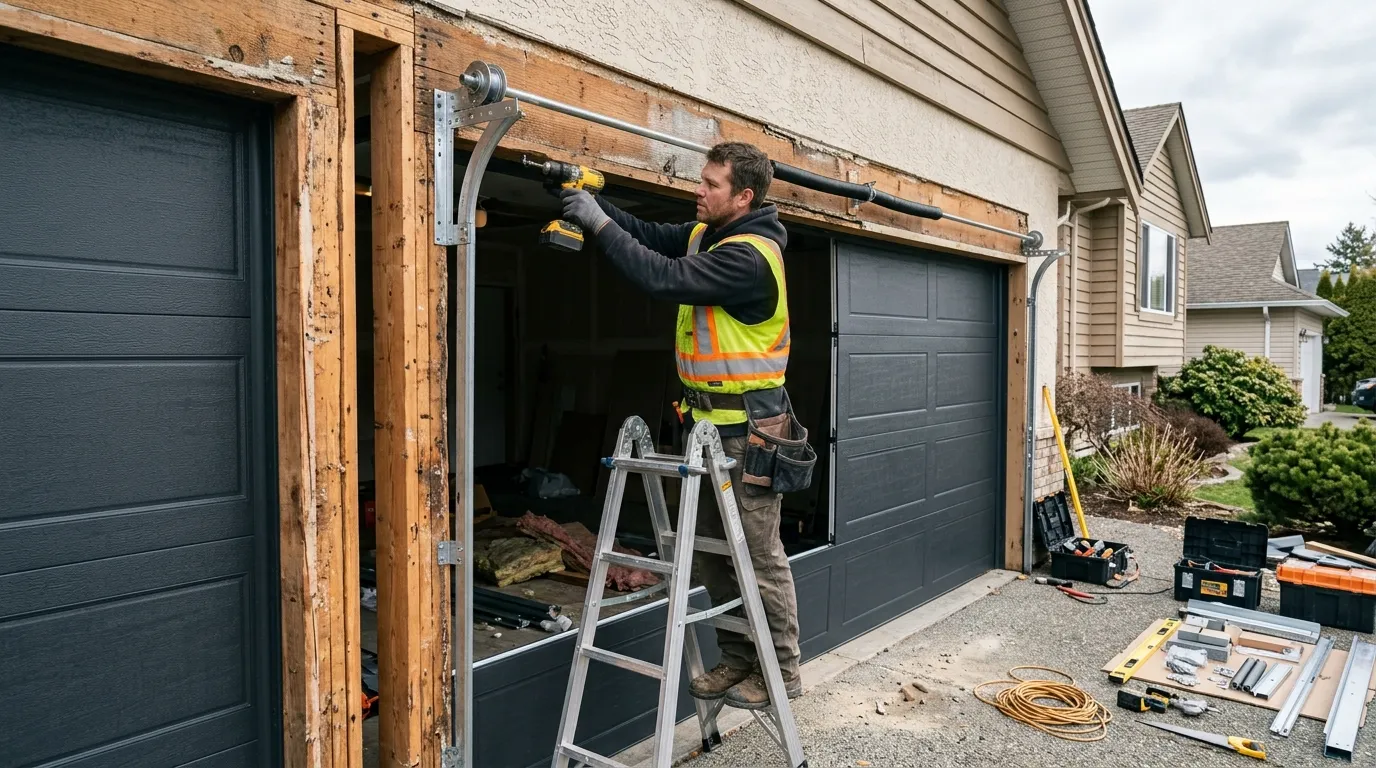
Household income across the broader service area runs a median of $121,750, which is part of why we see more insulated steel and composite door replacements out here than bare single-layer panels - people upgrade rather than just patch. If your door still has the original hardware, the spring is very likely undersized for today's safety standards, even if it still lifts the door. That's not a sales pitch, it's what shows up when we measure.
Getting Someone Out to See It
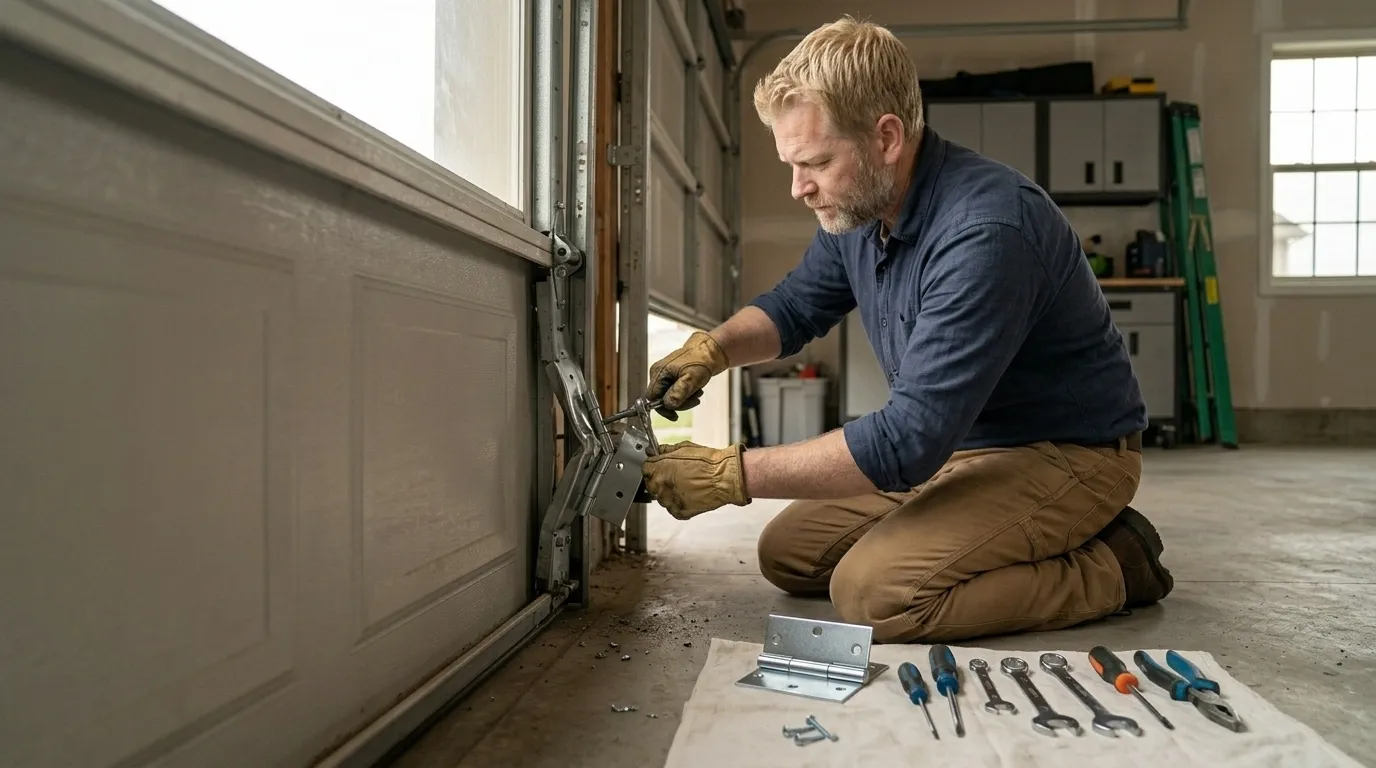
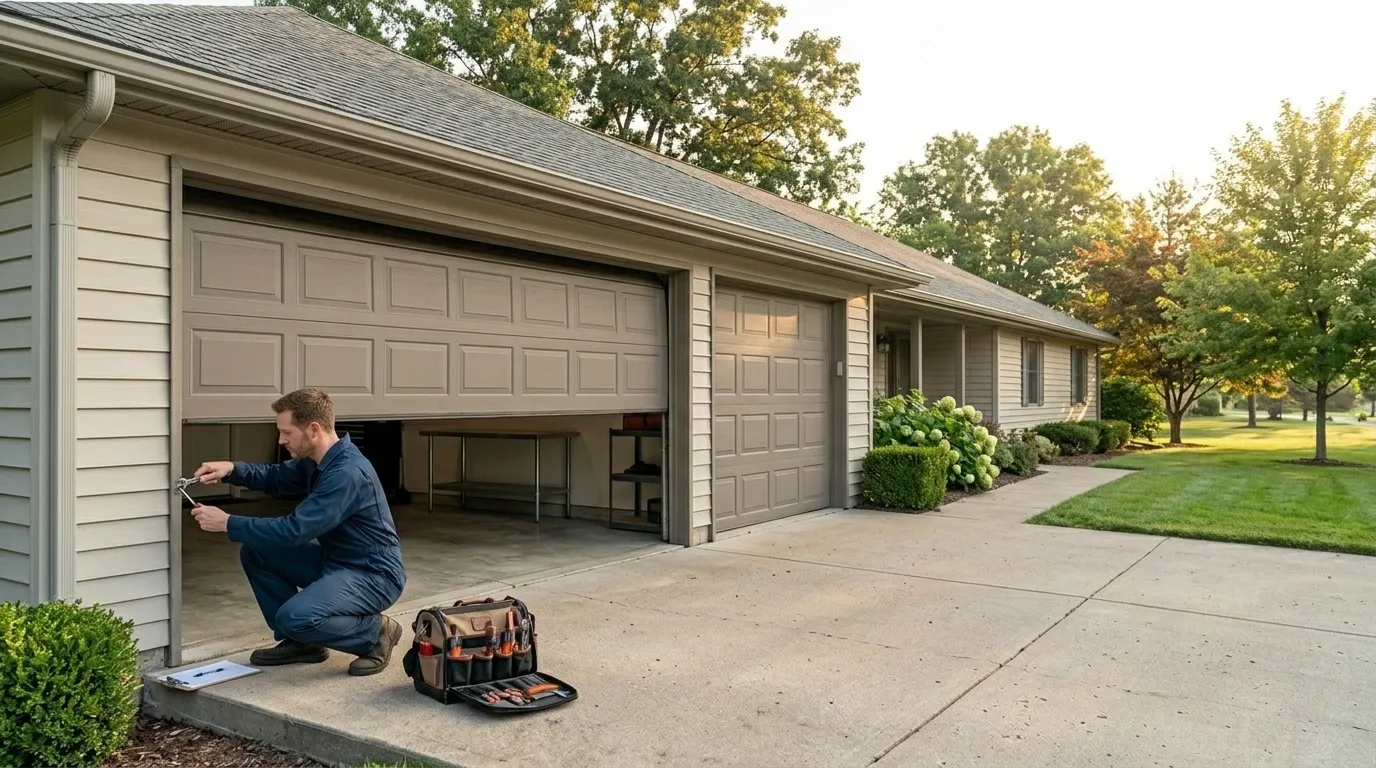
Call and tell us what you're seeing - a door that won't lift past a foot, a spring that let go with a bang, an opener that runs but the door doesn't move. That's usually enough for us to bring the right spring size and cable length on the first trip instead of a second one.
We work the Austin service area that includes Oak Hill, and a repair on a 1980s or 90s door is a routine call for us, not a special case. If the fix turns out to be more than the door's worth - cracked panels on all sections, a track bent from years of a misaligned opener - we'll say so plainly and walk you through replacement options instead of running up a repair bill on a door that's done.