Garage Door Service for Lost Creek's 1980s Housing Stock
Lost Creek homes date mostly to 1980, well ahead of the wider Austin service area's 1998 median. We drive out from Austin for spring, opener, and panel repairs built for that older hardware.
Lost Creek's median year built sits at 1980, a good eighteen years ahead of the 1998 median across the rest of our Austin service area. That gap matters more than it sounds like it should. Doors and openers installed in 1980 or the years right around it are on their second or third garage door setup by now, but a lot of the original torsion hardware, track brackets, and even wall studs never got upgraded when the door itself was swapped out. We see openers from several product generations mounted on the same bracket pattern because nobody wanted to redo the header. With 437 households in the area, it's a small enough footprint that the housing pattern is consistent street to street rather than a mix of decades like you'd find closer to downtown. That consistency helps us know what we're walking into before we open the truck. It also means when one door in the neighborhood has a worn extension spring or a stretched cable, the house two doors down on the same original construction run is probably close behind it.
Getting Here
We come out to Lost Creek from Austin, about 6 miles from our base. It's a straightforward drive, not a detour, so scheduling a job here doesn't mean waiting for a special trip. We don't keep a depot or crew stationed in Lost Creek itself - every job here is a truck coming from Austin, same as our other outlying calls. That's worth saying plainly: if you need same-day emergency parts, call and ask what's actually available rather than assuming a truck is idling nearby. For a scheduled repair or an install, the distance doesn't change what we bring or how we do the job.
What the Housing Means for Your Door
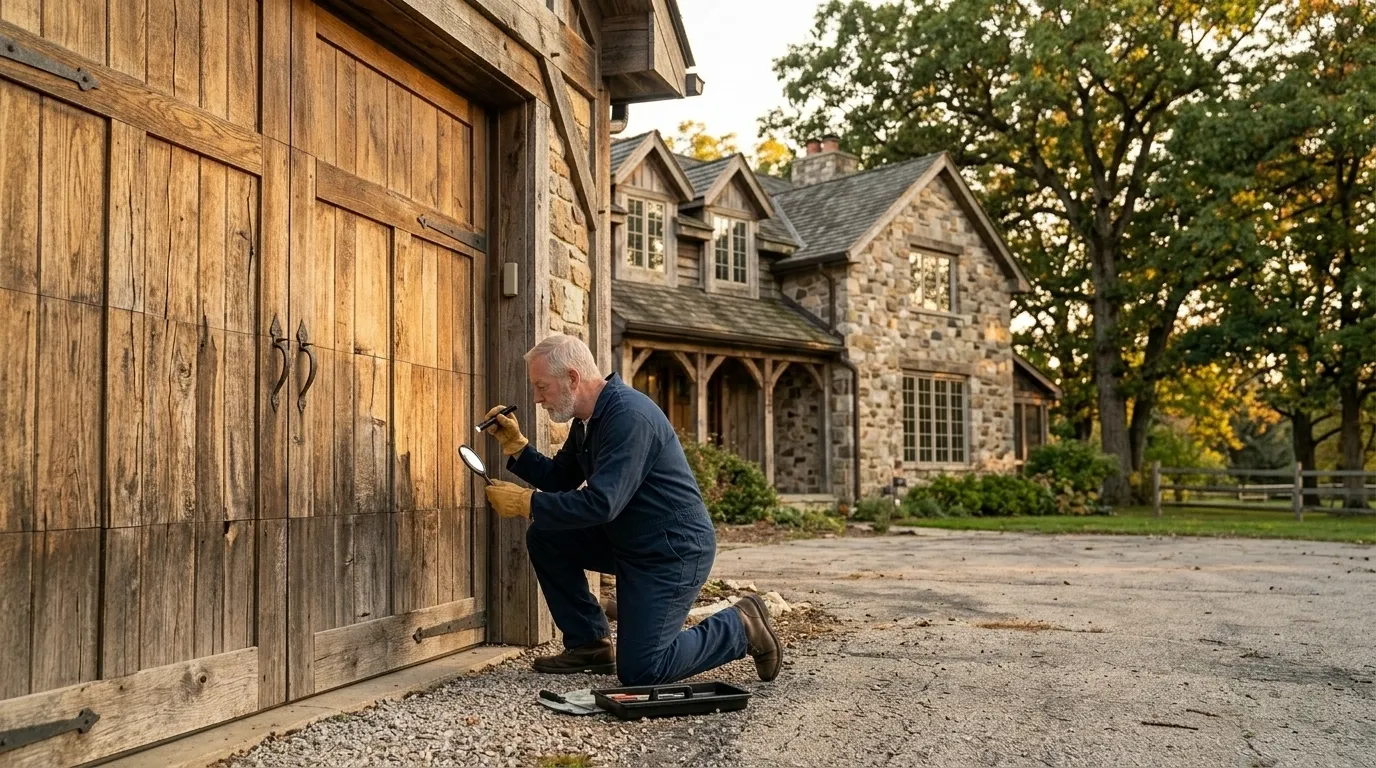
A door installed around 1980 was almost never sized or hung to match today's insulated steel sectional standards. If your panels have been replaced since but the track and torsion tube weren't, you can end up with a mismatch - a heavier modern door running on hardware sized for a lighter original one. That shows up as a spring that wears out faster than it should, or an opener straining on lift even though it sounds fine. Households here also tend to have higher household income than the wider service area average - $160,609 versus $121,750 across the 73,657 households we serve - which we mention only because it tracks with what we see on site: more owners who've already done one round of upgrades (insulated doors, quieter belt-drive openers) but kept the original track and spring hardware underneath. That combination is fixable, but it means a repair quote here often includes a hardware check that a newer house wouldn't need. We won't sell you a spring you don't need, but we will flag when the tube or bracket is the real problem and the spring is just the symptom.
The Calls We Get From Here
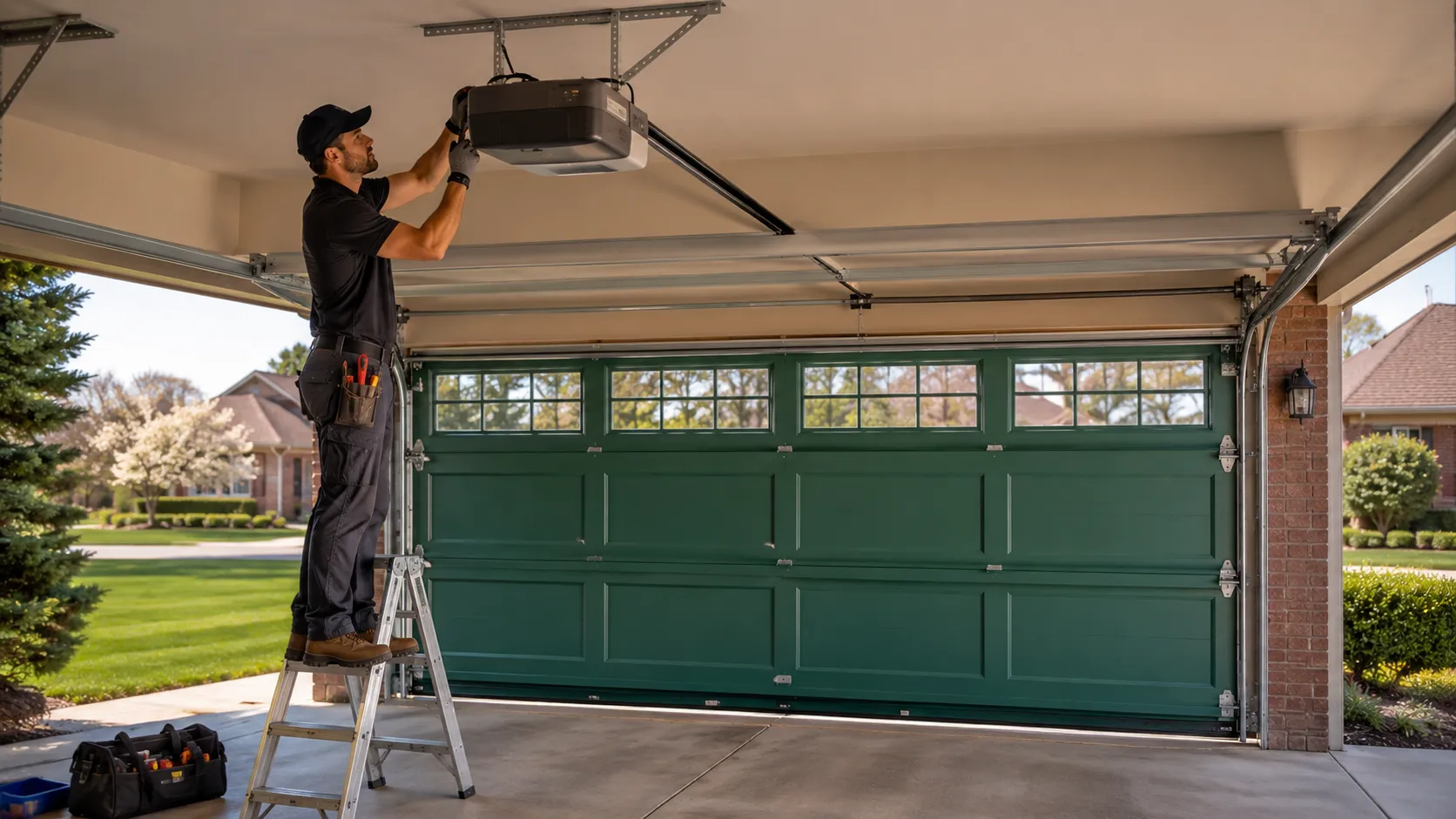
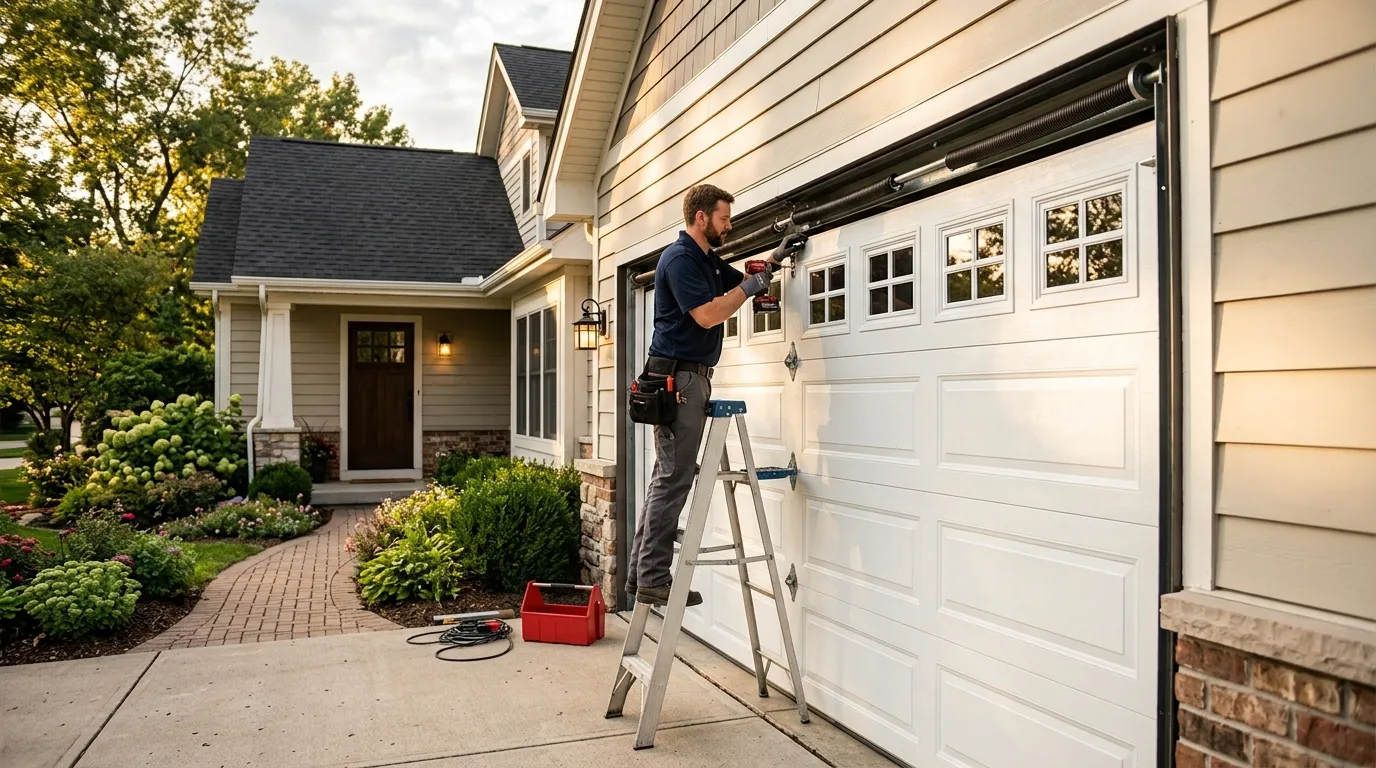
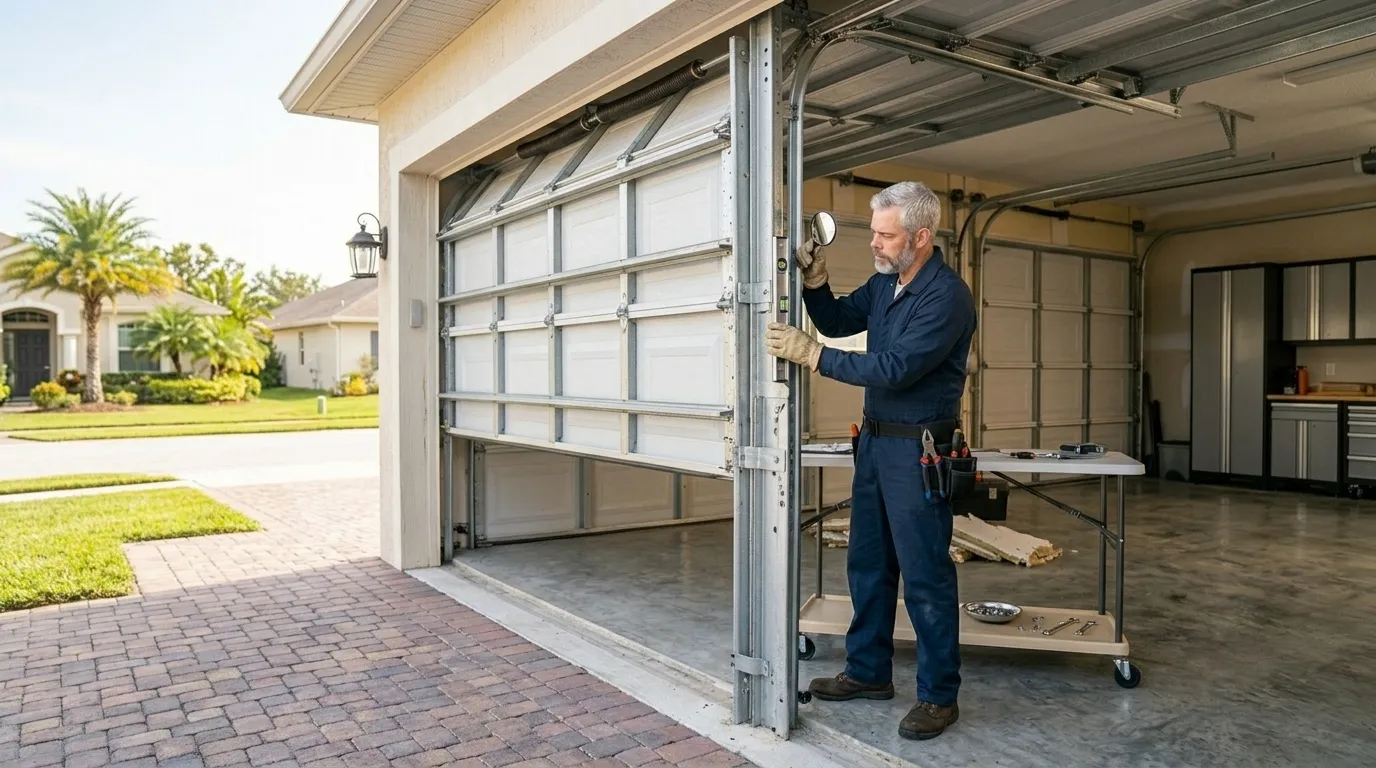
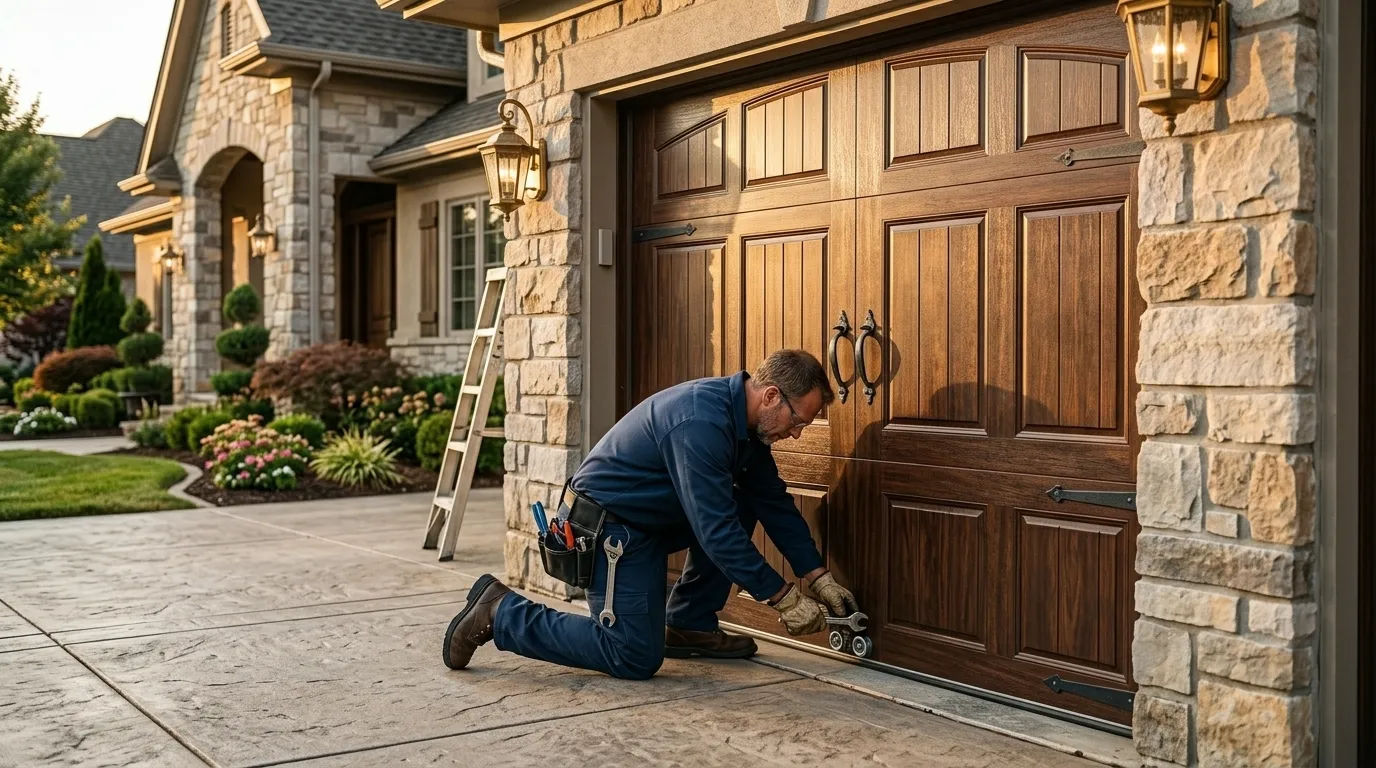
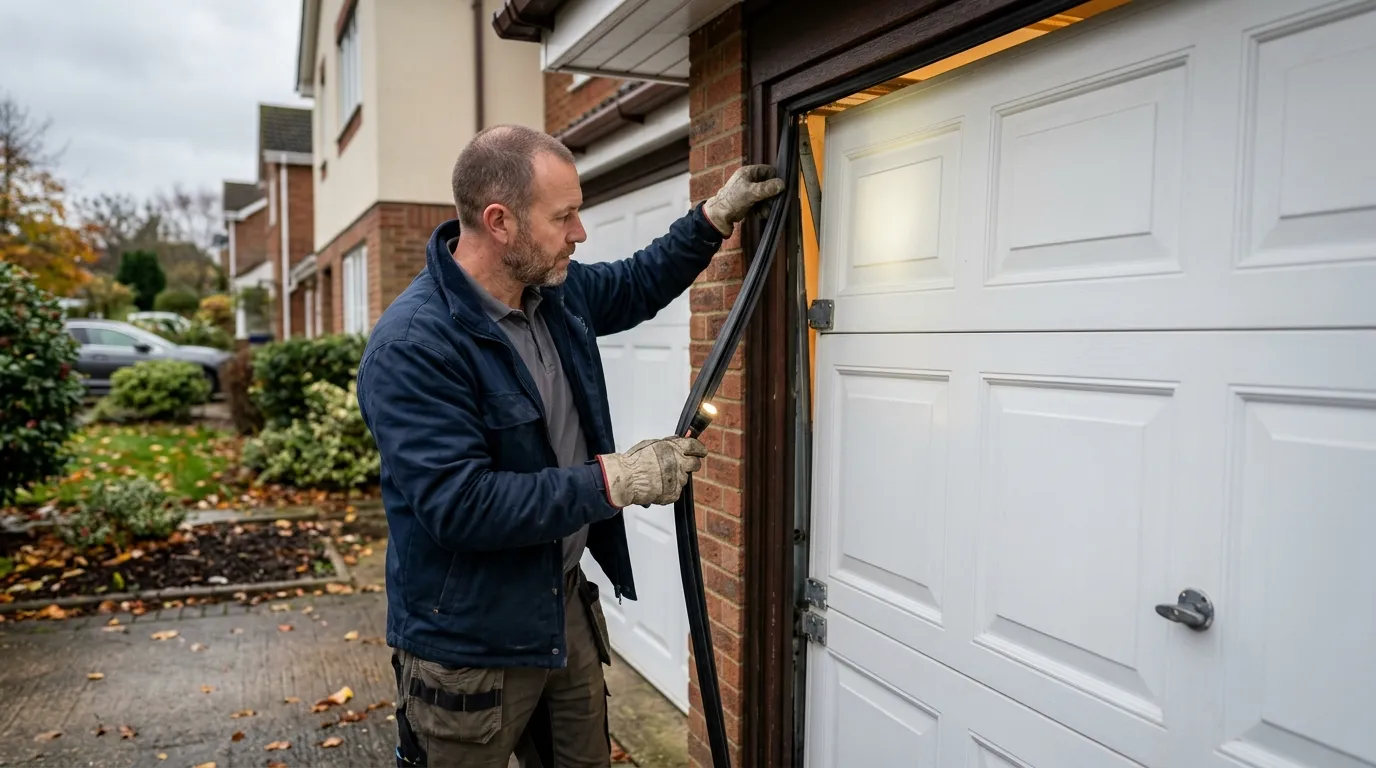
Given the 1980 build era, the calls from Lost Creek skew toward torsion spring failure on original or near-original hardware, opener replacements where the old chain-drive unit is finally done, and track realignment on doors that have shifted slightly as the original framing has settled over four decades. We also get calls where a homeowner wants a full door replacement rather than another patch repair, and honestly, once a door from this era needs its third major hardware fix, replacement is usually the better math than another round of parts. One limitation worth knowing up front: we don't stock every legacy bracket size from 1980-era installs on the truck, so if your hardware is a genuine original, the first visit may be diagnosis and the second the actual fix once we've got the right part.
How it works
From “it’s stuck” to “it’s fixed”
01
Tell us what’s wrong
Describe the symptom - won’t open, loud bang, opener runs but the door won’t move.
02
On-site diagnosis
A technician tests the door under power and by hand and finds what actually failed.
03
Clear, up-front plan
You get the fix that’s needed and what drives the cost - before any work starts.
04
Repaired & tested
The repair is done, the door is set true and tested, and the work area left clean.
Serving Austin, TX - call 17374360211 or request a quote online.
Is my garage door original to my Lost Creek house from 1980?
It's possible but less likely for the door panels themselves - most have been replaced at least once. What's more often original is the track, torsion tube, and mounting hardware, since those get swapped only when they fail rather than on a schedule. We check this on the first visit.
Do you have a crew based in Lost Creek?
No. We run out of Austin, about 6 miles away, and drive out for scheduled and emergency jobs. It's a routine trip for us, not a special dispatch, but we don't keep parts or a truck stationed in Lost Creek itself.
Why does my opener sound strained even though the door looks fine?
On houses built around 1980, this is often a mismatch between a newer, heavier insulated door panel and the original torsion spring or track sized for a lighter original door. The panel got upgraded at some point but the lifting hardware didn't.
Is it worth repairing an old door or should I replace it?
Depends on what's failing. A single spring or cable is usually a straightforward repair. If you're on your third hardware fix on original 1980-era track and brackets, replacement tends to cost less over time than another patch.
Ready to get your garage door sorted?
Tell us what it’s doing and where you are in Austin - we’ll take it from there.